Grayson Parkor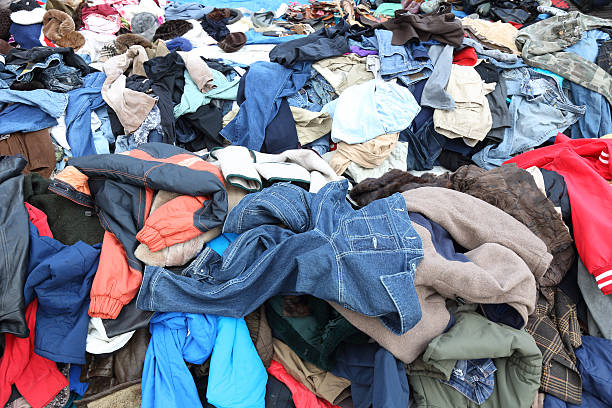
Textile Recycling: Shaping a Sustainable World
Textile recycling plays a vital role in reducing environmental waste and creating a more sustainable future. As clothing consumption continues to rise, discarded garments, fabrics, and household textiles are becoming a major contributor to global waste. Recycling textiles offers an effective solution by transforming unused materials into reusable resources instead of allowing them to burden landfills and harm the environment.
The Growing Problem of Textile Waste
Modern lifestyles and fast-fashion trends have significantly increased textile waste. Clothing is often worn only a few times before being discarded, even when it remains usable. When textiles are thrown away, they occupy landfill space and take years to break down. During decomposition, they release greenhouse gases and may leach dyes and chemicals into surrounding ecosystems.
Textile recycling directly addresses this issue by diverting waste from landfills and encouraging responsible disposal. Instead of being treated as trash, unwanted textiles are recognized as valuable materials that can be reused or repurposed in multiple ways.
How Textile Recycling Works
The textile recycling process begins with collection. Items such as clothing, shoes, linens, and accessories are gathered and sorted based on their condition and material type. Items suitable for reuse are separated, while damaged or worn textiles are directed toward recycling pathways.
Reusable textiles may find a second life through resale or redistribution. Fabrics that are no longer wearable can be processed into raw fibers or industrial materials. These recycled fibers are commonly used in insulation, padding, cleaning products, and manufacturing applications. This process minimizes waste while maximizing material value.
Environmental Benefits of Textile Recycling
One of the most important benefits of textile recycling is environmental conservation. Recycling textiles reduces the need for new raw materials, which lowers water consumption, energy use, and chemical processing associated with textile production.
By keeping textiles out of landfills, recycling also helps reduce methane emissions and soil contamination. Synthetic fabrics, which can take decades to decompose, are especially harmful when discarded improperly. Textile recycling ensures these materials are managed responsibly, reducing long-term environmental damage.
Supporting a Circular Economy
Textile recycling is a cornerstone of the circular economy. Instead of a linear “produce, use, discard” model, recycling encourages continuous use of materials. Products are reused, repurposed, and recycled, keeping them in circulation for as long as possible.
This approach reduces waste while creating new opportunities for innovation. Manufacturers can incorporate recycled fibers into new products, lowering production costs and environmental impact. Consumers benefit from sustainable options that align with eco-conscious values.
Community and Economic Impact
Beyond environmental benefits, textile recycling contributes to local economic growth. Recycling programs create jobs in collection, sorting, logistics, and processing. These opportunities support communities while reinforcing sustainability initiatives.
Community participation is essential to the success of textile recycling programs. Schools, residential complexes, businesses, and nonprofit organizations can all take part by organizing collection efforts and raising awareness. These initiatives encourage individuals to adopt responsible habits and understand the importance of reducing textile waste.
How Individuals and Businesses Can Help
Everyone can play a role in textile recycling. Individuals can start by sorting unwanted clothing instead of throwing it away. Donating or recycling textiles responsibly helps extend their lifespan and reduces unnecessary waste.
Businesses and property managers can support recycling efforts by providing designated textile collection areas and educating employees or residents. Hosting textile recycling drives is another effective way to engage communities and collect large volumes of materials in a short time.
Innovation and the Future of Textile Recycling
Advancements in recycling technology continue to improve the efficiency of textile recycling. New methods allow for better separation of blended fibers and higher recovery rates. As innovation progresses, even more textiles will be recycled instead of discarded.
Public awareness and demand for sustainable practices are also shaping the future of recycling. Consumers increasingly expect environmentally responsible solutions, encouraging businesses and organizations to invest in sustainable waste management strategies.
A Collective Responsibility
Sustainability is a shared responsibility that requires collaboration between individuals, businesses, and recycling providers. Textile recycling offers a practical way to reduce waste, conserve resources, and protect the environment. Small actions, when multiplied across communities, can lead to significant positive change.
Conclusion
Textile recycling is essential for building a cleaner, greener, and more responsible future. By reducing landfill waste, conserving natural resources, and supporting local communities, recycling initiatives make a lasting impact. Green City Recycle is committed to helping communities embrace textile recycling and move toward sustainable waste solutions that benefit both people and the planet.


 Saa linko
 6pm tracksuit