Linda Anne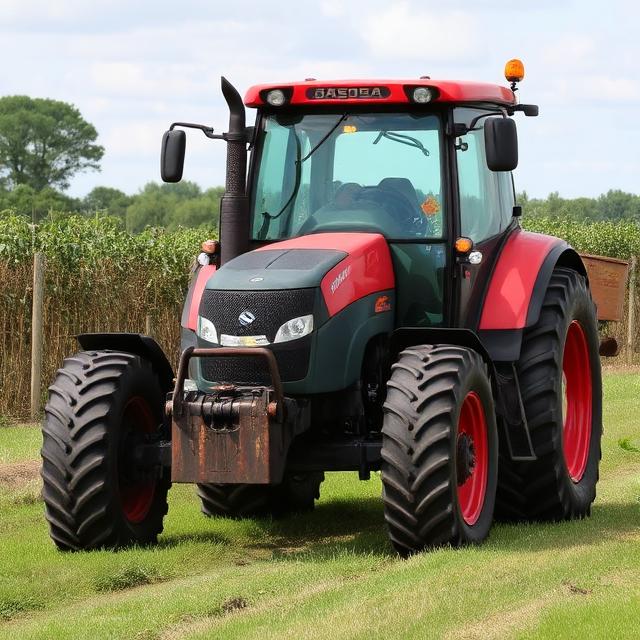
The British countryside thrives on a delicate balance of heavy-duty power and residential comfort. In this landscape, the relationship with a farm fuel supplier has matured into a strategic alliance designed to insulate rural estates from global price shocks. By viewing the farm not just as a workplace but as an integrated energy hub, managers can synchronize their agricultural demands with the requirements of domestic heating oil to create a more resilient and cost-effective operation.
Precision Logistics for Bulk Farm Fuel
The era of reactive ordering is quickly being replaced by a data-driven approach to energy procurement. Modern estates now treat their fuel tanks as digital assets, utilizing sophisticated telemetry to monitor consumption in real-time. This shift allows for a “Just-in-Time” delivery model that effectively shields the farm’s bottom line. By tracking usage patterns, managers can time a large-scale farm fuel delivery to coincide with market lulls rather than being forced to buy during a peak. Furthermore, the rising value of these liquid assets has necessitated a push toward advanced infrastructure. Double-skinned, bunded tanks with integrated electronic locks and level alarms are becoming the standard to prevent environmental contamination and deter the persistent threat of rural fuel theft.
The Specialization of Thermal Energy
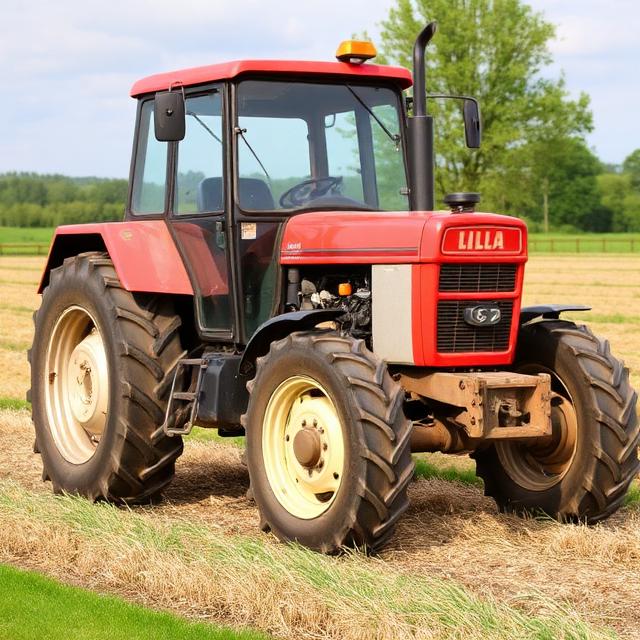
A notable evolution in rural energy management is the separation of machinery power from stationary heating. For massive operations like grain drying, greenhouse climate control, and poultry brooding, industrial heating oil has become the primary choice for cost-conscious managers. This fuel is engineered specifically for clean, high-efficiency combustion in large boilers. By utilizing this specialized thermal oil, farms preserve their premium red diesel for the high-torque requirements of the field. This specialization also offers technical benefits, as industrial heating oil is formulated to remain chemically stable during the long, dormant summer months, ensuring that the heating system remains clear of deposits and ready for instant ignition when the temperature drops.
Sustainable Transitions via HVO Fuel
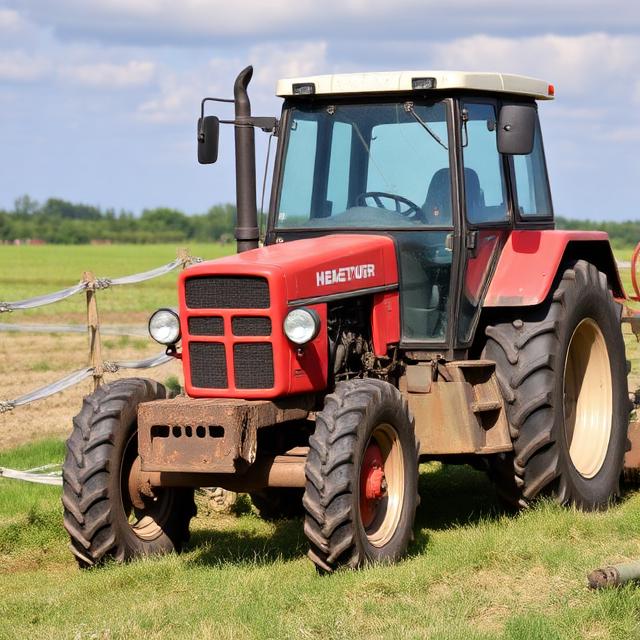
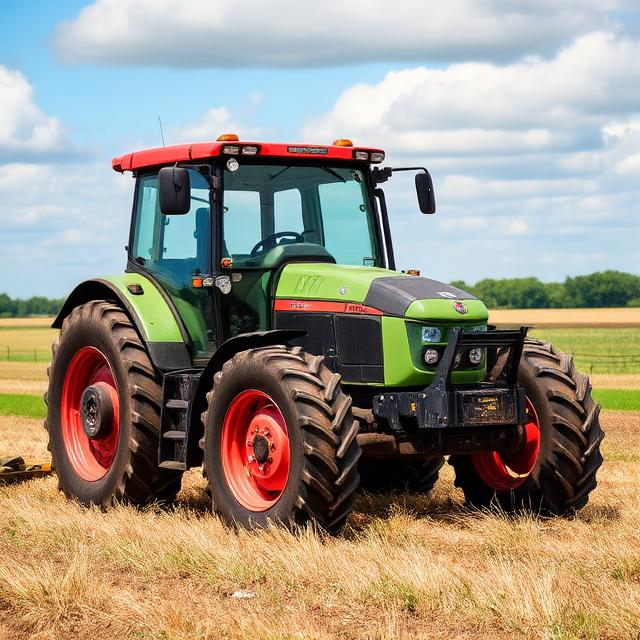
The most significant shift in the liquid fuel market is the rapid adoption of Hydrotreated Vegetable Oil, commonly known as HVO fuel. This paraffinic diesel acts as a vital bridge toward net-zero targets, allowing farms to decarbonize their existing heavy machinery without the prohibitive cost of replacing entire fleets with electric alternatives. As a “drop-in” replacement, HVO is chemically stable and can be mixed directly with fossil diesel or used on its own without any mechanical modifications to the engine. Beyond the environmental benefits, HVO offers superior technical performance in harsh conditions. Its incredibly low cloud point ensures it remains perfectly fluid in sub-zero temperatures, providing a level of winter reliability that standard mineral diesel cannot match.
Synchronizing the Farmhouse and the Field

The expertise of a comprehensive supplier often extends past the machinery shed and into the farmhouse itself. For the millions of rural homes situated off the national gas grid, the local fuel depot is the primary provider of domestic heating oil. Managing both agricultural and residential fuel needs through a single provider creates a logistical synergy that benefits the entire estate. By coordinating a farm fuel delivery with a home kerosene top-up, suppliers can optimize tanker routes and reduce the overall carbon footprint of the delivery process. This integrated approach ensures that the rural community maintains a robust energy lifeline, protecting both the commercial productivity of the yard and the domestic comfort of the home.
Funding the Energy Evolution
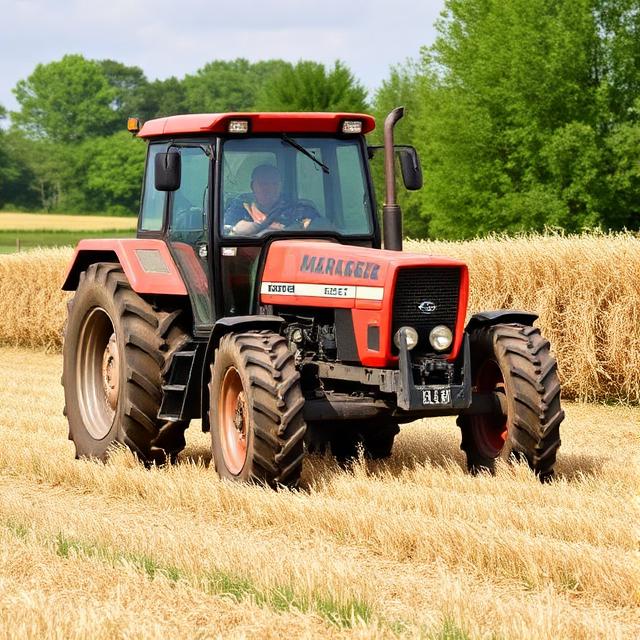
To help producers navigate the costs of this transition, the government provides essential support through the Farming Equipment and Technology Fund. This initiative offers financial levers for farms to invest in precision technology that directly lowers their total fuel demand. Eligible investments often include automated steering systems that eliminate field overlaps and robotic yard units that handle repetitive tasks using electric power, thereby reserving liquid fuel for primary field work. Investing in smart storage tanks with integrated telemetry is also a key strategy, as it improves site security and ensures that every drop of fuel is accounted for. These upgrades create a future-proof foundation where traditional energy reliability is harmonized with modern technological efficiency.

 Ecosphere Ltd.
 nikita pawar