Enlight lab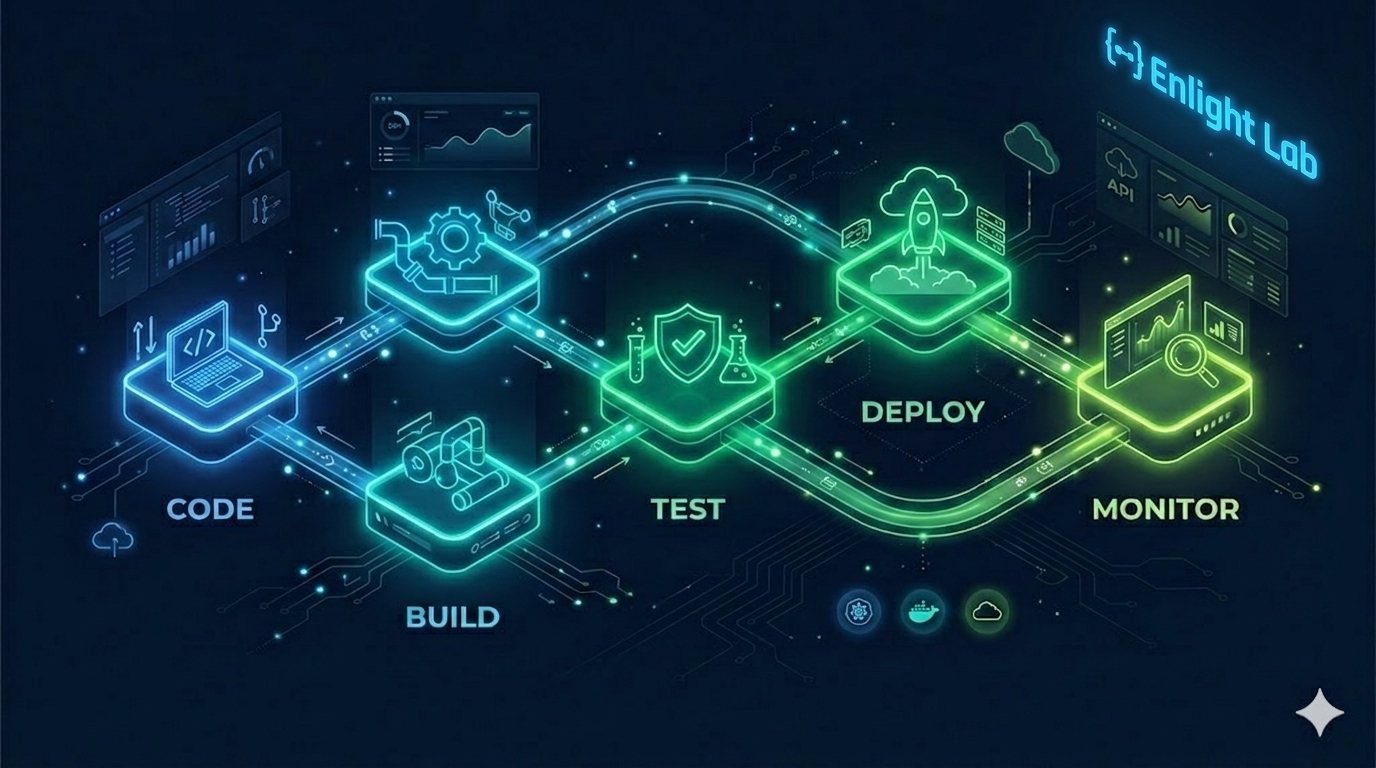
DevOps Is a Strategic Decision, Not a Tool Choice
Most early-stage teams treat DevOps as an afterthought, stitching together a CI pipeline on a Friday afternoon and calling it done. But the platform you build on shapes your engineering culture, your deployment velocity, and your ability to scale. A solid DevOps foundation prevents bottlenecks, reduces firefighting, and brings predictability to releases — all of which matter enormously when you’re running lean.
According to Gartner, the best DevOps platforms today provide fully integrated capabilities across the entire delivery lifecycle — from planning and code creation to security, deployment, and monitoring. The right choice for a startup must be cost-effective, easy to adopt with a small team, and scalable enough to grow without forcing a painful migration later.
The Leading Platforms in 2026
Here’s a breakdown of the most compelling DevOps platforms for startup teams, evaluated on price, integration, scalability, and developer experience.
GitHub + GitHub Actions
CircleCI
AWS DevOps Suite
Quick Comparison
| Platform | Free Tier | All-in-One | Kubernetes | Best For |
|---|---|---|---|---|
| GitLab | ✓ Generous | ✓ Yes | ✓ Built-in | All-round starter stack |
| GitHub Actions | ✓ 2,000 min/mo | ✗ Partial | ✓ Via Actions | Teams already on GitHub |
| CircleCI | ✓ Limited | ✗ CI/CD only | ✓ Yes | High-performance pipelines |
| AWS DevOps | ✓ Free tier | ✗ Fragmented | ✓ EKS native | AWS-native startups |
| Azure DevOps | ✓ 5 users free | ✓ Yes | ✓ AKS native | Microsoft/enterprise-aligned |
How to Actually Pick One
The ideal DevOps platform for a startup depends on three core factors: your team size, your cloud footprint, and how much DevOps complexity you’re willing to manage. Small teams shipping fast should prioritize simplicity over configurability — a platform that requires a dedicated DevOps engineer to maintain is a liability, not an asset, at the early stage.
The trend in 2026 strongly favors platforms that consolidate multiple functions. Tools that integrate source control, CI/CD, security scanning, and monitoring in a single place dramatically reduce the cognitive overhead of managing a sprawling toolchain. Startups operating with a lean team cannot afford the coordination tax of stitching together five different best-of-breed tools.
🧭 Startup Selection Checklist
- Start with GitLab if you want one platform to rule them all — CI/CD, security, and source control without extra integrations.
- Stick with GitHub Actions if your team is already deep in GitHub and values community-built workflows.
- Choose CircleCI if pipeline speed is your bottleneck and you have a mature test suite that needs parallelism.
- Go AWS-native only if you’re already committed to the AWS ecosystem — the lock-in is real, but the integration depth is unmatched.
- Always verify the free tier limits: GitHub Actions gives 2,000 minutes/month, GitLab’s free tier covers small teams well, but costs spike as you scale builds.
The Platform Is Table Stakes. The Culture Is the Edge.
No platform substitutes for a strong DevOps culture. The best toolchain in the world won’t save a team that treats deployments as scary, manual events. The platforms covered here all provide enough automation and visibility to enable truly continuous delivery — but only if your team actually commits to short-lived branches, automated testing, and incremental releases.
With the DevOps market projected to reach $25.5 billion by 2028, the tools are only getting better. AI-assisted workflows, self-healing pipelines, and automated security remediation are rapidly moving from enterprise features to standard defaults. Startups that build on a strong DevOps foundation today will absorb these improvements naturally — those that don’t will find the migration increasingly costly.

 Prabhat Upadhyay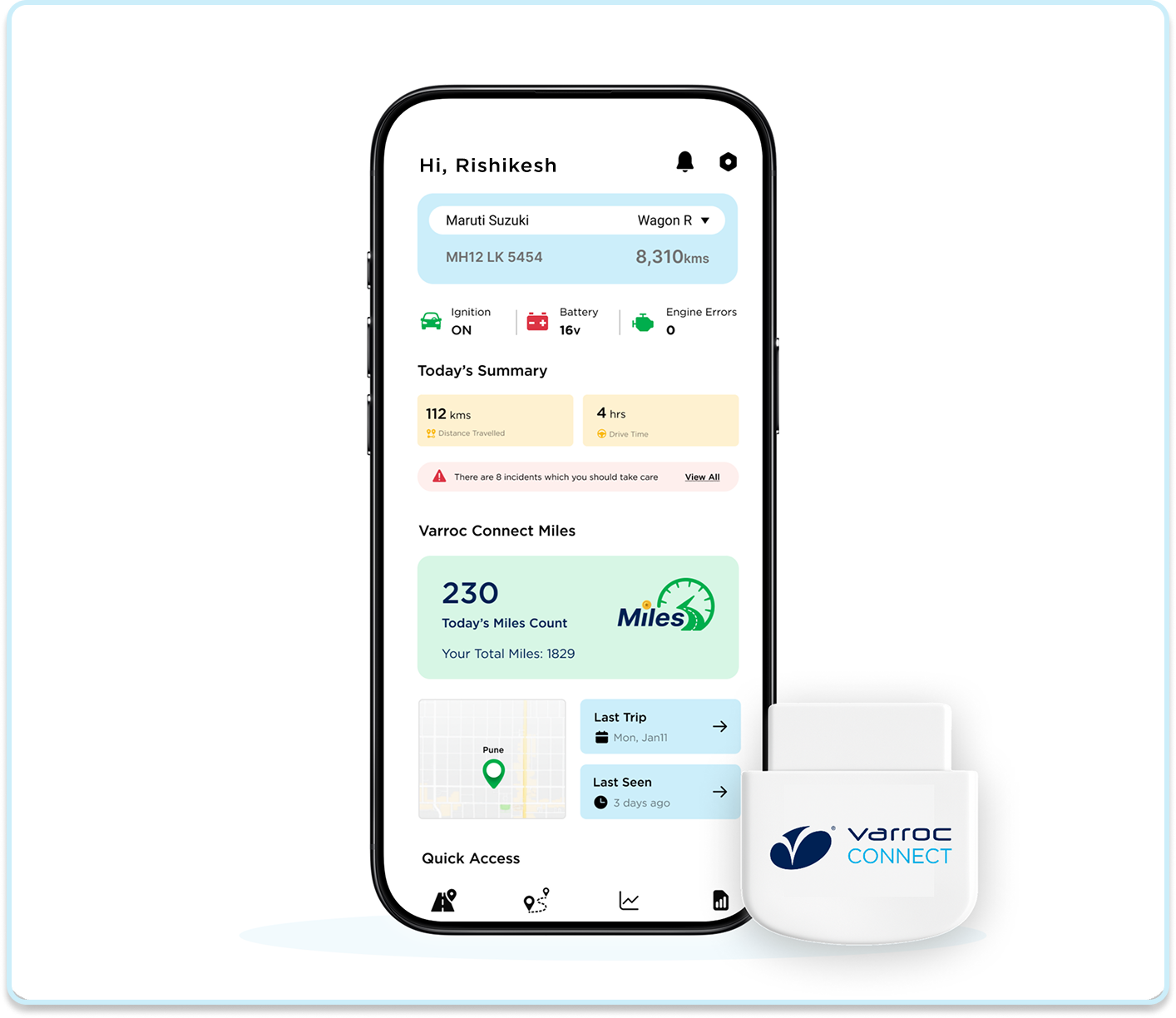
 Varroc Connect