Vikas Sharma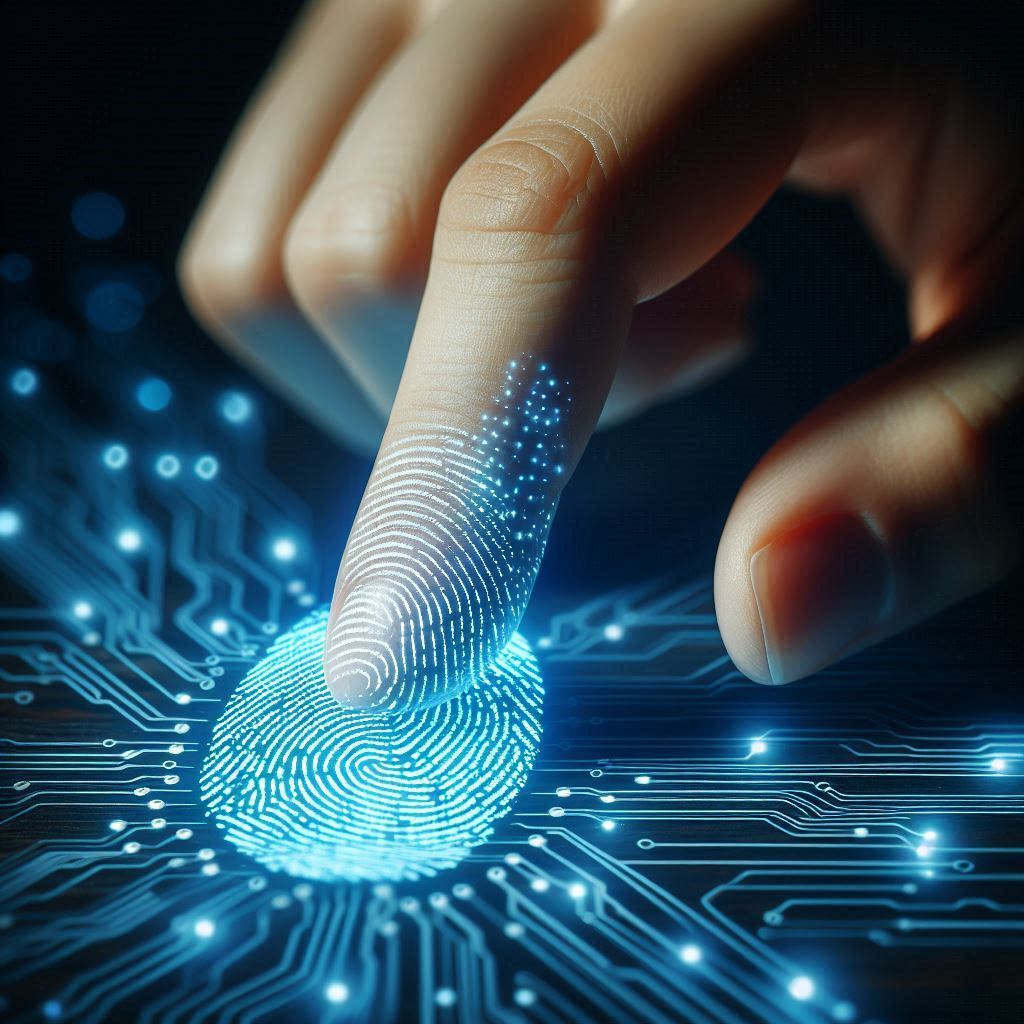
In an increasingly interconnected world, securing identity has become one of the most critical priorities for governments, employers, and individuals. Traditional identity documents like passports, driver’s licenses, and national ID cards remain important, but they are no longer sufficient on their own in environments where fraud and identity theft are rampant. At the forefront of this transformation is Digital fingerprinting, a biometric technology that is reshaping how we verify identities in immigration systems and background checks around the globe.
As technology evolves, digital biometric solutions are increasingly trusted because they offer higher accuracy, stronger security, and faster processing times than traditional methods. From border control to employment screening, Digital fingerprint is revolutionizing identity verification in ways that were unimaginable just a decade ago. This article explores the rise of digital fingerprint, its impact on immigration and background checks, the benefits it brings, and what the future may hold.
Understanding Digital Fingerprinting: A New Standard in Identity Verification
Digital fingerprint refers to the electronic capture, storage, and comparison of fingerprint data using advanced biometric systems. Unlike traditional ink-and-paper methods, this technology collects fingerprints digitally with high precision, allowing them to be processed and compared instantly against large databases. Because fingerprints are unique to each individual and difficult to replicate, they provide a reliable form of identification that enhances trust in identity systems.
It uses specialized sensors and software to ensure that biometric data is captured in a clean, accurate, and reproducible format. When integrated with databases maintained by governmental or law enforcement agencies, digital fingerprints can be rapidly matched to existing records, making identity verification more efficient and dependable.
The Role of Digital Fingerprinting in Immigration
Immigration systems worldwide are under pressure to manage increasing travel flows while ensuring that border security and national safety are maintained. Traditional document checks cannot fully detect fraud, identity manipulation, or duplicate identities. This is where Digital fingerprinting enhances the integrity of immigration processes.
Stronger Identity Verification
One of the principal advantages of digital fingerprint in immigration is its ability to establish identity with a high degree of confidence. By comparing fingerprints against national and international databases, immigration authorities can verify that:
- Individuals are not using altered or fraudulent documentation
- Travelers or applicants do not have multiple identities
- Previous immigration history or criminal records are accurately checked
It strengthens entry and exit systems at borders, making it easier to detect identity fraud while facilitating legitimate travel.
Accurate Criminal and Security Screening
For immigration systems that conduct security screening or risk assessments, digital fingerprints are an invaluable tool. When integrated with law enforcement databases, they enable authorities to identify individuals with criminal histories or those flagged under security alerts. This automation not only improves accuracy but also expedites the screening process for millions of applicants entering a country each year.
Faster Processing Times
Immigration processes often involve long waiting periods particularly for applications such as visas, asylum, or citizenship. It accelerates these checks, reducing backlog and improving overall efficiency. Automated biometric matching helps authorities process applications quickly without compromising security standards.
Transforming Background Checks with Digital Fingerprinting
Background checks play a critical role in employment, licensing, housing approvals, and various security-sensitive roles. Manual or name-based checks are vulnerable to errors, misspellings, and identity theft. It offers a more robust alternative.
Higher Accuracy in Criminal Record Checks
For employers and licensing bodies, one of the most significant challenges has been ensuring that criminal record checks are accurate. Digital fingerprint allows:
- Directly matching an applicant’s fingerprints to criminal history databases
- Reducing false positives caused by similar names or identities
- Eliminating reliance on subjective information
This level of accuracy is especially vital for roles where public safety is concerned, such as education, healthcare, and transportation.
Enhanced Compliance and Risk Mitigation
In sectors regulated by compliance mandates including finance, healthcare, and government contracting organizations are required to perform thorough background screenings. It ensures compliance with strict legal and regulatory standards by providing forensic-level identity verification that resists manipulation or error.
Employers and regulatory bodies can demonstrate due diligence with biometric record checks, mitigating legal risk and protecting vulnerable populations.
Privacy, Security, and Ethical Considerations
As digital fingerprint becomes more widespread, privacy and ethical considerations have surfaced as key concerns. Biometric data is inherently sensitive, and organizations that collect and store fingerprints must adhere to stringent privacy safeguards.
- Protecting Biometric Data
- Organizations implementing Digital fingerprinting must ensure that biometric data is:
- Collected transparently with informed consent
- Stored securely with encryption and access controls
- Used strictly for authorized purposes
- Compliant with privacy legislation and data protection standards
Governments and institutions must balance the benefits of biometric verification with the rights of individuals to ensure responsible use.
Ethical Use and Public Trust
Public trust plays a central role in the adoption of digital biometric systems. Authorities and service providers must be transparent about how digital fingerprint works, why it is used, and how data is protected. Policies must be clearly communicated, and safeguards should be in place to prevent misuse, improper access, or unnecessary retention of biometric data.
Real-World Deployments: Practical Examples
It is no longer a theoretical concept — it is being deployed in real-world applications that illustrate its impact.
Border Control Systems
Many countries now employ digital biometric systems at border control points. These systems capture fingerprints electronically at entry points, instantly comparing them with watchlists and immigration databases. This rapid identity verification enhances border security and speeds up processing for legitimate travelers.
Criminal Record Checks
Law enforcement agencies and background screening providers use digital fingerprints to check criminal histories with precision. Automated systems reduce reliance on manual searches, enabling real-time or near-real-time verification of individual records.
Secure Access and Identity Management
Beyond immigration and background checks, it supports secure access in workplaces, government facilities, and digital services. By linking fingerprint data to identity credentials, organizations can ensure that only authorized individuals gain access to sensitive systems and locations.
The Future of Digital Fingerprinting: Trends and Innovations
As technology continues to evolve, several trends are shaping the future of digital fingerprinting.
Integration with Multimodal Biometrics
Future identity systems are moving toward multimodal verification, combining digital fingerprint with facial recognition, iris scanning, or voice biometrics. This layered approach enhances accuracy and further reduces the risk of fraud.
Cloud-Based Biometric Platforms
Cloud-based biometric services are enabling faster, scalable deployments of digital fingerprinting. Cloud integration allows organizations to securely store, manage, and share biometric data while maintaining strong privacy controls.
AI-Enhanced Matching Algorithms
Artificial intelligence and machine learning are improving the speed and precision of biometric matching. These technologies can help recognize partial fingerprints, enhance image quality, and reduce false matches, making digital fingerprint even more reliable and efficient.
Conclusion: A Secure and Efficient Path Forward
The future of identity verification is undeniably tied to digital transformation. Digital fingerprinting plays a foundational role in shaping more secure, accurate, and efficient identity systems across immigration and background checks. By providing reliable biometric verification, it reduces fraud, accelerates processing times, and strengthens compliance with legal and regulatory frameworks.
As digital fingerprinting continues to evolve alongside privacy safeguards and ethical practices, it promises to foster greater trust between individuals, organizations, and governments. From border checkpoints to employment verification, digital fingerprinting is redefining what it means to confirm identity in the digital age — ushering in a future where security and efficiency go hand in hand.


 paul walkers