Lenvitz 71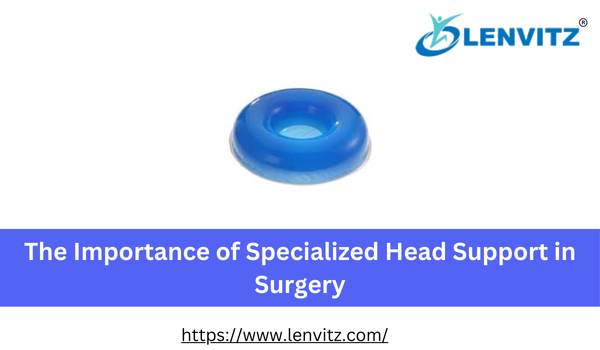
When we think about surgical safety, we often visualize high-tech monitors, sterile instruments, and the surgeon’s steady hands. However, some of the most critical safety measures happen right under the patient’s head. For anyone facing a medical procedure, understanding how tools like a Head Gel Pad, head ring, and prone head rest function can offer immense peace of mind.
In the operating room (OR), positioning is everything. It is the difference between a successful recovery and avoidable post-operative complications.
Why Head Positioning is a Top Priority in the OR
The human head is heavy, and the skin covering the skull is relatively thin. During long surgeries, the constant pressure of the skull against a hard operating table can lead to localized “pressure alopecia” (temporary hair loss) or, more seriously, skin necrosis and deep tissue injury.
To combat this, surgical teams utilize a Head Gel Pad. Unlike standard pillows, these pads are made from high-density silicone that redistributes pressure across the entire surface of the head. This “floating” effect ensures that blood flow to the scalp remains uninterrupted, even during procedures lasting several hours.
The Role of the Silicon Head Ring
One of the most versatile tools in a surgical suite is the head ring—specifically the silicon head ring. Its unique “donut” shape is designed with a hollow center to cradle the occipital area (the back of the head).
Benefits of a Silicon Head Ring:
- Stability: It prevents the head from rolling or shifting during delicate neurosurgery or ENT procedures.
- Ear Protection: The hollow center ensures that the ears—which are prone to bruising—are not compressed against the table.
- Neutral Alignment: A silicon head ring helps maintain the natural curvature of the neck, reducing post-operative stiffness and nerve strain.
Whether a patient is lying on their back (supine) or their side (lateral), the head ring provides a stable foundation that traditional foam simply cannot match.
Safety During Face-Down Surgery: The Prone Head Rest
Certain surgeries, particularly those involving the spine or the back of the legs, require the patient to be placed face-down. This is known as the prone position. This position carries a unique set of risks, particularly for the eyes and the airway.
A specialized prone head rest is used to navigate these challenges. These devices are often anatomically contoured to support the forehead and cheekbones while leaving the eyes, nose, and mouth completely free of pressure.
Why a Specialized Prone Head Rest Matters:
- Ocular Safety: Direct pressure on the eyeballs during surgery can lead to serious vision complications. A high-quality prone head rest ensures zero contact with the eyes.
- Airway Access: It allows anesthesiologists to monitor and manage the breathing tubes easily.
- Pressure Management: By using a Head Gel Pad material within the rest, the facial skin is protected from “mask marks” or bruising.
Conclusion: Investing in Patient Comfort and Safety
From the simple head ring used in a routine check-up to the complex prone head rest used in spinal surgery, these specialized supports are vital. They ensure that while the surgeon focuses on the primary procedure, the patient’s most sensitive areas are protected from the physical stress of the operating table.
For hospitals and clinics, investing in medical-grade silicon head ring technology is a clear signal of a commitment to superior patient outcomes. For the general public, it is a reminder that in modern medicine, every inch of your safety is carefully considered.


 Hortman Clinic
 Fittzaa fittzaa