adrian coleJ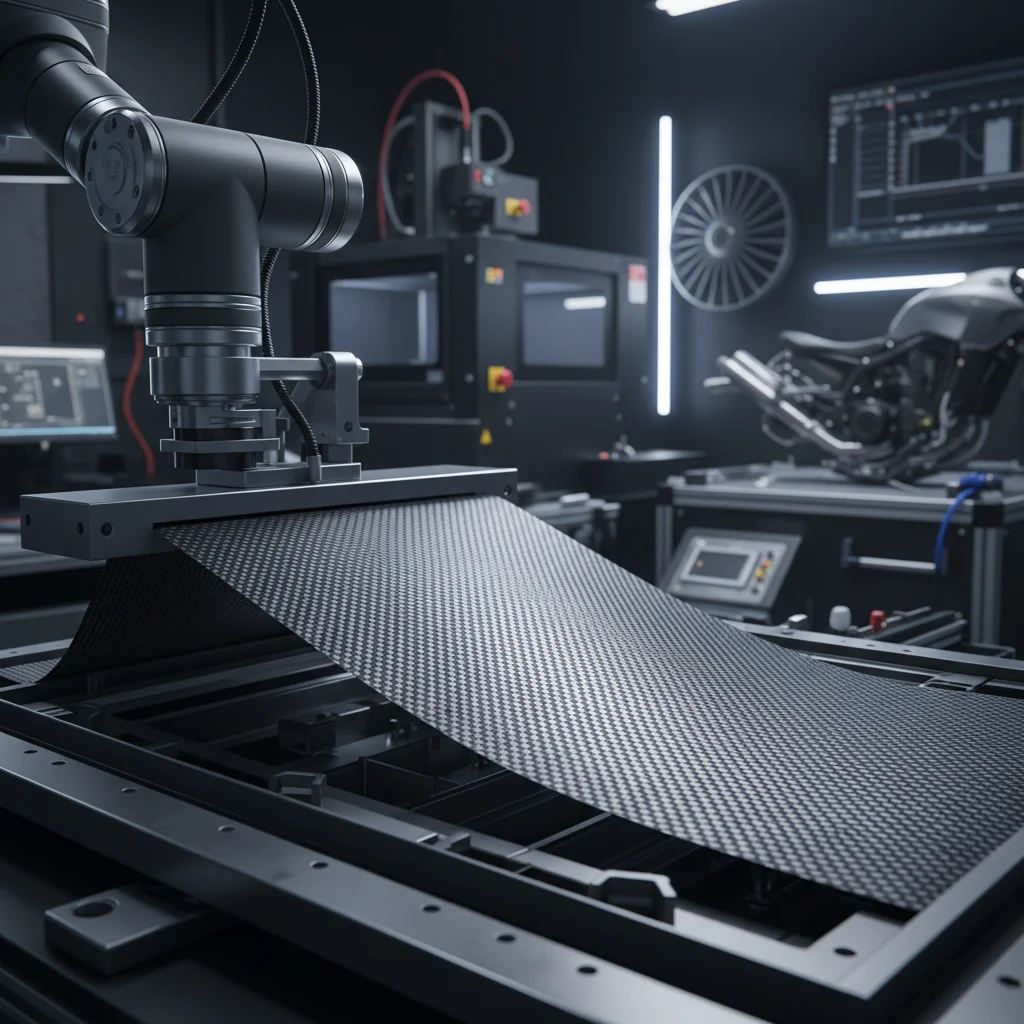
When you think about the automotive and aerospace industries, what likely comes to mind are sleek vehicles and cutting-edge aircraft, but have you ever wondered about the fabric that supports the functionality, comfort, and safety of these machines? In both industries, technical fabrics are quietly but crucially making a difference. Today, let’s take a closer look at the key role technical fabrics play, and how a technical fabrics manufacturer helps bring these innovations to life.
Revolutionizing Vehicle Interiors with Technical Fabrics
For many of us, a car’s interior is where we spend most of our time when traveling. Whether it’s the feel of the seats, the durability of the carpets, or the sound insulation, technical fabrics are at the heart of comfort and functionality.
Soundproofing and Comfort in Modern Vehicles
Imagine a road trip, the hum of the engine, the wind outside—then imagine it all quieted. The reason for that calming silence is often due to technical fabrics designed for soundproofing. These materials can absorb sound, reducing noise pollution inside the cabin, which is key for enhancing the driving experience. A technical fabrics manufacturer develops these fabrics by combining lightweight, durable materials like polyester with specialized coatings to block sound waves, making long drives far more pleasant.
Fire-Resistant Fabrics for Enhanced Safety
We’ve all heard about the importance of safety in cars, but did you know that fire-resistant fabrics are integral to a vehicle’s interior? These specialized fabrics are used in seats, headliners, and door panels to prevent flames from spreading in case of an accident. When an automotive manufacturer partners with a technical fabrics manufacturer, they ensure that these materials meet rigorous standards, offering protection without compromising comfort or aesthetics.
Aerospace: Where High-Performance Fabrics Meet Extreme Demands
The aerospace industry takes things up a notch. In this sector, fabrics aren’t just about looks—they’re about surviving extreme conditions while maintaining peak performance. Whether it’s the harsh conditions of space or the high-altitude pressures of flight, technical fabrics are essential.
Lightweight Yet Durable Fabrics for Aircraft Interiors
Have you ever noticed how the interior of airplanes feels so lightweight but sturdy? That’s thanks to advanced technical fabrics. Aerospace manufacturers use these fabrics for seats, cabin dividers, and overhead compartments. These fabrics are engineered to be as light as possible, which reduces fuel consumption—yet they are incredibly durable, withstanding wear and tear over time. A technical fabrics manufacturer plays a key role in creating these materials by focusing on fiber strength and longevity while keeping weight minimal.
Temperature Control Fabrics for Space Travel
Space travel requires fabrics that can handle extreme temperature fluctuations, and that’s where technical fabrics shine. Fabrics used in space suits and spacecraft must regulate temperature, maintain comfort, and protect astronauts from extreme environmental conditions. These fabrics can reflect heat or retain warmth, depending on the mission requirements, making them critical to the success of space exploration. Aerospace engineers turn to specialized fabric manufacturers who can provide the technical solutions needed to meet these exacting standards.
The Growing Importance of Sustainable Technical Fabrics
Sustainability is not just a buzzword anymore. In both the automotive and aerospace sectors, manufacturers are increasingly turning to eco-friendly materials to reduce their environmental footprint.
Eco-Friendly Fabrics: The Future of Technical Manufacturing
A significant trend in today’s world is the shift towards using recycled and biodegradable materials in manufacturing. For automotive and aerospace industries, this means that technical fabrics are being developed with sustainability in mind. Fabrics made from recycled polyester or plant-based fibers are helping reduce the carbon footprint of the entire production process. When a technical fabrics manufacturer focuses on sustainability, it opens doors to innovation while also contributing to environmental responsibility.
Reducing Carbon Emissions with Sustainable Materials
By utilizing lighter fabrics and eco-friendly manufacturing methods, both the automotive and aerospace industries are helping to reduce their carbon emissions. Lightweight technical fabrics in cars, for instance, reduce fuel consumption, while sustainable fabrics in aircraft contribute to lowering overall emissions. This shift is a big deal, as it aligns with the industries’ goals to reach net-zero emissions while still meeting high standards of performance.
The Future of Technical Fabrics in Automotive and Aerospace
As technology evolves, so too does the role of technical fabrics. New materials and innovations are being developed to meet the ever-increasing demands of both the automotive and aerospace industries.
The Role of AI and Automation in Fabric Development
What’s next for technical fabrics in these industries? The use of AI and automation in fabric development promises to accelerate the pace of innovation. For instance, automated machines can now analyze the performance of different fabric types under various conditions, helping manufacturers create smarter, more efficient materials. A technical fabrics manufacturer who embraces AI-driven approaches is able to push boundaries even further, delivering fabrics that were previously unimaginable.
Cutting-Edge Nano-Technologies in Fabric Design
Nano-technologies are playing a larger role in fabric development for automotive and aerospace. These fabrics are embedded with tiny, high-tech particles that offer enhanced qualities like better resistance to wear, greater strength, or self-healing capabilities. The development of these fabrics requires specialized manufacturers who stay on top of technological trends, ensuring that the materials they produce can meet future challenges head-on.
Technical fabrics might not be the first thing you think of when it comes to cars or airplanes, but the truth is, they’re an indispensable part of both industries. From improving comfort and safety in vehicles to helping astronauts survive in space, these materials are everywhere. As technology continues to advance, the role of technical fabrics will only grow more important, shaping the future of automotive and aerospace design in ways we’re just beginning to understand.


 Prabhat Upadhyay
 lisa soft