Harry Sadler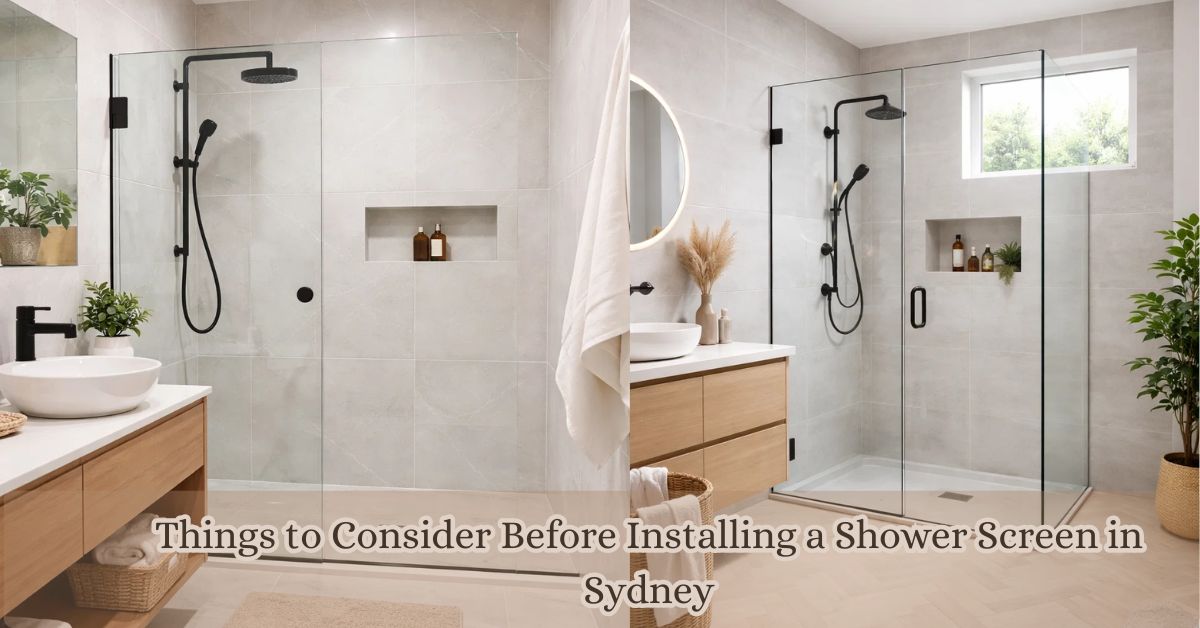
Installing a shower screen is one of the most effective ways to elevate the look and functionality of your bathroom. Before choosing a design or installer, it’s important to understand the factors that influence durability, safety, and long-term value—especially when selecting a Shower Screen Sydney homeowners can rely on for quality and compliance.
1. Bathroom Layout and Available Space
Start by assessing your bathroom’s size and layout. Compact bathrooms often benefit from sliding or fixed panels, while larger spaces can accommodate hinged or walk-in designs. Measure accurately, accounting for door swing, fixtures, and clearances to avoid installation issues later.
2. Type of Shower Screen
There are several common options:
- Frameless: Sleek, modern, and easy to clean, but typically more expensive.
- Semi-frameless: A balance of style and cost with partial framing for support.
- Fully framed: Budget-friendly and sturdy, ideal for family bathrooms.
Choose a type that matches your aesthetic, budget, and maintenance preferences.
3. Glass Thickness and Safety Standards
Australian safety standards require toughened safety glass for shower screens. Thicker glass (10–12mm) offers a premium feel and stability, while thinner options can be suitable with proper framing. Always confirm compliance with local standards to ensure safety and longevity.
4. Water Containment and Practicality
A stylish screen should also prevent leaks. Consider:
- Door seals and thresholds
- Floor gradients and drainage
- Door opening direction
Poor water containment leads to slippery floors and long-term damage, so practicality matters as much as appearance.
5. Custom vs. Standard Fit
Standard screens may work for simple layouts, but custom-made screens are ideal for:
- Uneven walls or floors
- Corner showers
- Unique bathroom designs
Custom fitting ensures a precise finish and better performance over time.
6. Ventilation and Maintenance
Bathrooms with limited ventilation are prone to moisture buildup. Choose glass with easy-clean coatings to reduce soap scum and mineral stains. Frameless and semi-frameless designs usually require less maintenance due to fewer joints and frames.
7. Budget and Long-Term Value
While it’s tempting to choose the cheapest option, consider total value:
- Quality of materials
- Warranty and after-sales support
- Installation expertise
A well-installed, high-quality screen can last many years with minimal upkeep, making it a cost-effective investment.
8. Professional Installation
Correct installation is critical. Experienced installers ensure:
- Accurate alignment
- Secure fittings
- Compliance with safety regulations
DIY installation may save money upfront but often leads to leaks, misalignment, or glass stress over time.
9. Style Consistency with the Home
Your shower screen should complement other glass features and finishes in your home. Coordinating with fixtures, tiles, and even outdoor glass elements creates a cohesive look and adds to overall property appeal.
10. Future-Proofing Your Choice
Think ahead. If you plan to renovate further or sell your property, neutral, timeless designs tend to appeal to a wider audience. Clear glass and minimalist hardware are safe choices that age well.
Final Thoughts
Installing a shower screen is more than a cosmetic upgrade—it’s a decision that affects safety, maintenance, and daily comfort. Taking the time to evaluate layout, glass quality, and professional installation will ensure a result you’re happy with for years to come. If your home also includes outdoor glass features such as Pool Fencing Sydney, coordinating materials and finishes can enhance visual harmony while maintaining safety and compliance across both indoor and outdoor spaces.


 Levin John
 hgjgh fghfg