Eren Yeager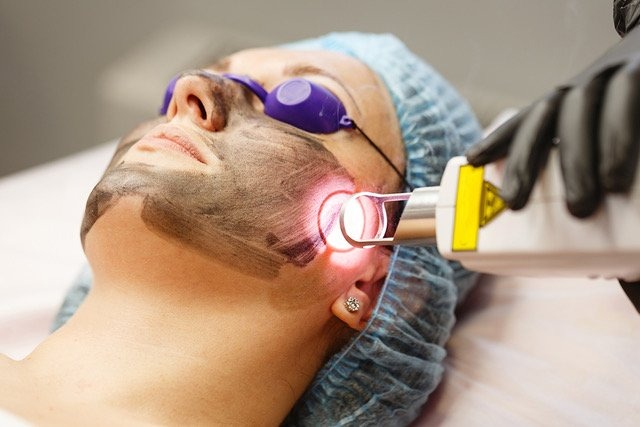
Advancements in laser technology have introduced new options for people with skin concerns, and pico laser treatment has become one of the most talked-about innovations in recent years. Short for picosecond laser, this technology delivers energy in ultra-rapid pulses, offering a different approach than traditional laser systems. For those curious about what this treatment involves and whether it might be suitable for their needs, understanding the basics can help guide informed conversations with skincare professionals.
How Pico Laser Technology Works
Pico lasers operate by delivering laser energy in extremely short bursts measured in picoseconds, one trillionth of a second. This is significantly faster than traditional nanosecond lasers, which deliver energy over longer durations. The ultra-short pulse duration allows pico lasers to shatter pigment particles and stimulate the skin’s natural healing response with potentially less heat buildup in surrounding tissue.
When the laser energy contacts pigmented cells or scar tissue, it breaks these targets into tiny particles that the body can then process and eliminate naturally. Additionally, the rapid energy delivery may stimulate collagen and elastin production, contributing to overall skin rejuvenation. This dual action, targeting specific concerns while encouraging natural skin renewal, is part of what makes pico laser treatment appealing for various applications.
Common Concerns Pico Laser May Address
Pico laser technology has been used to address a range of skin concerns, including:
- Pigmentation irregularities such as sun spots, age spots, and freckles
- Tattoo removal, as rapid pulses fragment ink particles more efficiently
- Mild acne scarring and enlarged pores
- General skin rejuvenation and texture improvement
However, the effectiveness of treatment depends on individual factors such as skin type, the specific concern being addressed, and the number of sessions completed. A professional evaluation is necessary to determine whether pico laser is the right approach for your particular goals.
What to Expect During a Session
A pico laser treatment session is typically relatively quick, often lasting between 15 and 30 minutes, depending on the size of the treatment area. Before beginning, the provider may apply a topical numbing cream to minimize discomfort. During the procedure, patients often describe feeling a snapping or tingling sensation as the laser pulses contact the skin.
Protective eyewear is worn throughout the session to shield the eyes from the laser light. The provider moves the handpiece methodically across the treatment area, delivering pulses in a controlled pattern. Most patients find the procedure tolerable, though sensitivity levels vary.
Recovery and Results
One of the advantages often associated with pico laser technology is relatively minimal downtime compared to more aggressive resurfacing procedures. Following a session, patients may notice mild redness, slight swelling, or a sunburn-like sensation in the treated area. These effects typically resolve within a few hours to a couple of days.
For pigmentation concerns, treated spots may temporarily darken before gradually flaking off and fading. This is a normal part of the healing process. Results develop progressively as the skin heals and regenerates, and most patients require multiple sessions spaced several weeks apart to achieve their desired outcome. Patience is important, as the full benefits of treatment often become apparent over the course of several months.
Is Pico Laser Right for You?
Determining candidacy requires a professional evaluation. Factors such as skin type, the nature and severity of your concerns, your medical history, and your aesthetic goals all influence whether this treatment is appropriate. Individuals with certain skin conditions, recent sun exposure, or specific health considerations may need to explore alternative options.
A consultation with a board-certified dermatologist or qualified skincare provider is the best way to assess whether this treatment aligns with your needs. For residents of the Central Florida area, access to practices offering advanced laser technology makes exploring these options convenient.
Conclusion
Pico laser technology represents an exciting development in skin care, offering a potentially effective approach for addressing pigmentation, tattoo removal, and skin rejuvenation. While individual results vary, many patients find that this treatment helps them achieve a more even, refreshed complexion over time. For those considering pico laser treatment Altamonte Springs, consulting with a board-certified dermatologist is the best first step toward determining whether this advanced technology is the right choice for your unique skin concerns and aesthetic goals.


 Hims to12
 Aditi Zota