digital adda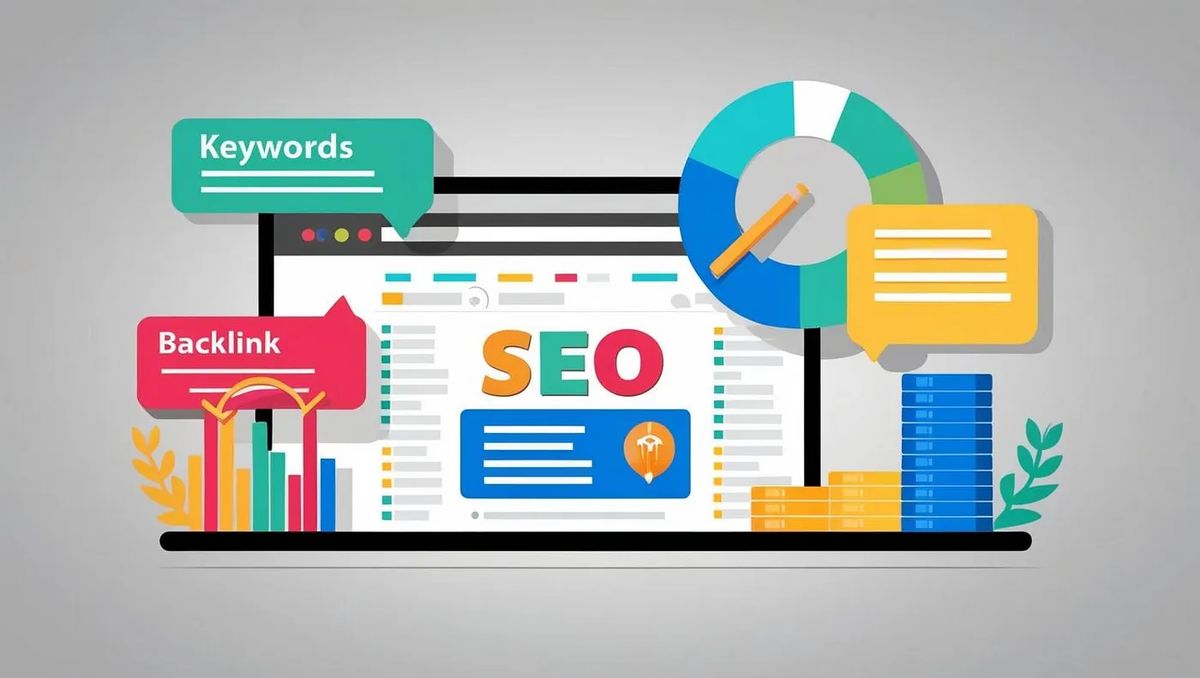
Launching a new website is exciting, but one common frustration almost every website owner faces is no traffic. You publish your site, add content, and wait—yet nothing happens. This is where SEO plays a critical role.
SEO is not magic, and it’s not instant. It’s a structured process that helps search engines understand your website and rank it for the right keywords. For new websites, SEO is especially important because it lays the foundation for long-term organic growth.
In this guide, you’ll learn what SEO is, how it works, and how new websites can use SEO to start getting traffic the right way.
What Is SEO?
SEO stands for Search Engine Optimization. It is the practice of optimizing your website so it can appear higher on search engines like Google when people search for relevant keywords.
In simple terms, SEO helps:
- Search engines understand your website
- Users find your content easily
- Your website gain visibility without paid ads
Unlike paid advertising, SEO focuses on organic traffic, which means visitors come naturally through search results.
Why SEO Is Important for New Websites
New websites have no authority, no backlinks, and no trust in Google’s eyes. SEO helps fix that.
Here’s why SEO is crucial for new websites:
- Google doesn’t know your site exists
- Your competitors already have content and authority
- Paid ads stop the moment you stop paying
- SEO builds long-term, sustainable traffic
By implementing SEO from day one, you help your website grow gradually and consistently.
How SEO Works for New Websites
SEO works in multiple stages. For new websites, patience and consistency matter more than shortcuts.
1. Keyword Research (The Foundation)
SEO starts with understanding what people are searching for.
Instead of guessing, keyword research helps you find:
- Low-competition keywords
- Questions people are asking
- Search terms relevant to your services
For example, new websites should target:
- Long-tail keywords
- Problem-based searches
- Beginner-friendly queries
This is why blogs like “What Is SEO & How It Works for New Websites” are powerful—they match search intent.
2. On-Page SEO (Optimizing Your Content)
On-page SEO helps search engines understand each page of your website.
It includes:
- Proper H1, H2, and H3 headings
- Keyword placement in titles and content
- SEO-friendly URLs
- Internal linking to related pages
- Image optimization (alt text)
For example, linking to SEO Services in India naturally inside an SEO blog helps both users and search engines understand relevance.
3. Technical SEO (Website Health)
Technical SEO ensures your website works properly behind the scenes.
Important technical factors include:
- Mobile responsiveness
- Fast loading speed
- Secure HTTPS connection
- Clean site structure
- Proper indexing
New websites should focus on fixing technical issues early so Google can crawl and index pages smoothly.
4. Content Creation (The Growth Engine)
Content is what brings traffic over time.
For new websites, content should:
- Solve real problems
- Be easy to understand
- Target one main keyword per page
- Answer user intent clearly
SEO-optimized blogs, service pages, and informational content help build trust and authority gradually.
This is where SEO-friendly content writing services can support growth by creating structured, optimized content that ranks.
5. Internal Linking (Guiding Google & Users)
Internal linking connects your website pages together.
For new websites, internal linking helps:
- Distribute page authority
- Improve crawlability
- Increase time on site
- Guide users to services
The key is linking only relevant pages—not everything.
For example:
- SEO blogs → SEO service page
- Content blogs → Content writing service page
This creates a clean and logical structure Google loves.
6. Off-Page SEO (Building Trust Slowly)
Off-page SEO includes backlinks from other websites.
For new websites:
- Focus on quality, not quantity
- Avoid spammy backlinks
- Use guest posts, citations, and brand mentions
Backlinks act like votes of trust and help your site gain authority over time.
How Long Does SEO Take for New Websites?
This is the most common question—and the honest answer is:
SEO takes time.
Typical timeline:
- 0–30 days: Indexing & foundation
- 30–90 days: Early impressions
- 3–6 months: Ranking improvements
- 6–12 months: Consistent traffic
New websites that publish quality content regularly and follow SEO best practices see results faster than those that wait.
Common SEO Mistakes New Websites Make
Avoid these mistakes if you want faster growth:
- Targeting highly competitive keywords
- Publishing thin or copied content
- Ignoring technical SEO
- Over-optimizing keywords
- Not linking internally
- Expecting instant rankings
SEO rewards patience and consistency, not shortcuts.
Conclusion
SEO is not just about rankings—it’s about building a strong foundation for your website. For new websites, SEO helps establish trust, visibility, and long-term growth.
By focusing on keyword research, content quality, internal linking, and technical optimization, new websites can gradually improve their presence on search engines.
When implemented correctly, SEO becomes the most cost-effective and sustainable way to grow online and attract the right audience consistently.
FAQs
1. Is SEO necessary for new websites?
Yes. SEO helps new websites get discovered, build authority, and attract organic traffic over time.
2. Can a new website rank on Google quickly?
New websites can start appearing for low-competition keywords within a few months if SEO is done correctly.
3. How many blogs should a new website publish for SEO?
Publishing 2–4 high-quality blogs per month is ideal for consistent growth.
4. Is paid traffic better than SEO for new websites?
Paid traffic gives instant results, but SEO builds long-term traffic that doesn’t stop when ads stop.
5. What is the most important SEO factor for beginners?
High-quality content combined with proper keyword targeting and internal linking.


 Leadership Coach Group
 Pard India