Vinayak Mehta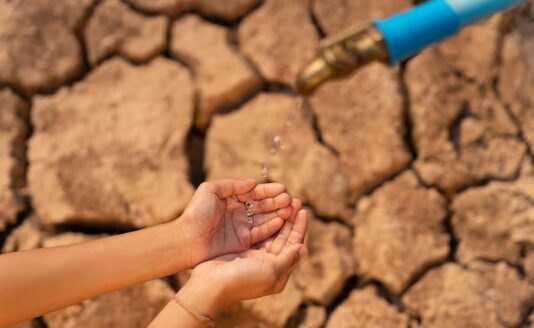
Water is one of the most essential resources for life, yet many regions today are facing a serious shortage. This growing crisis is becoming more visible in India, where rising population, urban expansion, and industrial growth are putting pressure on limited freshwater resources.
In simple terms, water scarcity occurs when the available water is not enough to meet the needs of people for drinking, farming, and daily use. Even though India has rivers, lakes, and groundwater, the supply is often uneven, seasonal, or polluted.
What is Water Scarcity? (Definition)
Water scarcity refers to a situation where water demand exceeds the available supply in a particular area. It can be caused by natural factors like low rainfall or human activities such as overuse and poor management.
In India, this issue is becoming more serious because water sources are not only limited but also under stress due to pollution and excessive usage.
Types of Water Scarcity
Understanding the different types helps in identifying the right solutions.
1. Physical Water Scarcity
This occurs when natural water resources are not sufficient.
-
Common in dry and desert regions
-
Often linked to drought and low rainfall
2. Economic Water Scarcity
In this case, water is available but people cannot access it due to lack of infrastructure.
-
Limited pipelines and storage systems
-
Common in rural or underdeveloped areas
3. Seasonal Water Scarcity
Some regions experience shortages only during certain times of the year.
-
Caused by irregular monsoon patterns
-
Common in drought-prone zones
Causes of Water Scarcity in India
Several factors contribute to the growing water crisis in the country.
1. Rapid Urbanisation and Industrialisation
As cities expand, the demand for water increases. Industries also consume large amounts, which adds pressure on existing sources and often leads to pollution.
2. Overuse of Groundwater
Groundwater is heavily used for both drinking and irrigation. Continuous extraction without proper recharge has led to falling water levels in many regions.
3. Climate Change
Changing weather patterns and irregular rainfall are affecting water availability. Weak monsoons often result in drought-like conditions.
4. Poor Water Management
Inefficient systems for storage, distribution, and conservation lead to wastage and unequal supply.
Effects of Water Scarcity
The impact of this issue is serious and affects both people and the environment.
-
Agriculture suffers due to lack of irrigation, leading to lower crop yields
-
Health problems increase due to unsafe water and poor sanitation
-
Livelihoods are affected, especially in farming communities
-
Conflicts over water resources increase between regions
Examples from India
India has faced several real-life situations that highlight the seriousness of the problem.
1. Chennai – The “Day Zero” Crisis
In 2019, Chennai experienced a major crisis when its main reservoirs dried up. Residents had to depend on water tankers for daily needs.
2. Bengaluru – Urban Water Stress
Bengaluru is dealing with declining groundwater levels and polluted lakes. Many households rely on costly private water supply.
3. Delhi – High Demand and Supply Issues
Delhi faces challenges due to high population demand and water contamination. It depends heavily on neighboring states for supply.
States Most Affected
Some regions in India are more vulnerable due to climate and usage patterns:
-
Rajasthan – Low rainfall and desert conditions
-
Maharashtra (Marathwada) – Frequent droughts
-
Punjab and Haryana – Excessive groundwater use for agriculture
-
Tamil Nadu – Falling groundwater levels and salinity issues
Areas like Bundelkhand and Marathwada often face repeated droughts, leading to migration and economic stress.
Water Conflicts in India
As water becomes limited, disputes are becoming more common. Conflicts over rivers like Cauvery and Krishna often create tension between states.
Limited availability increases competition among farmers, cities, and industries, making management even more challenging.
Solutions to the Water Crisis
Addressing this issue requires a combined effort from all levels.
1. Rainwater Harvesting
Collecting rainwater can help recharge groundwater and improve availability.
2. Efficient Irrigation
Modern methods like drip irrigation reduce water wastage in farming.
3. Water Conservation
Simple habits like turning off taps and fixing leaks can save significant amounts of water.
4. Better Infrastructure
Improving storage, treatment, and supply systems is essential for long-term solutions.
5. Public Awareness
Educating people about responsible usage plays a key role in solving the problem.
Frequently Asked Questions
Q.1 What is the main cause of water shortage in India?
Overuse of groundwater, along with poor management and irregular rainfall, is a major reason behind the shortage.
Q.2 Which cities face the most water shortage in India?
Chennai, Bengaluru, and Delhi are among the most affected cities due to high demand and limited supply.
Q.3 Can rainwater harvesting solve the problem completely?
It cannot solve the issue entirely but is an important step toward improving water availability and reducing dependence on groundwater.
Conclusion
The shortage of water is a serious and growing concern in India. From large cities to rural regions, the impact is visible in daily life and livelihoods.
However, with better planning, responsible usage, and simple conservation methods, it is possible to reduce the pressure on water resources. Understanding water scarcity is the first step toward creating a more sustainable future.


 Rankon Technologies
 bondcleaning service