Sahu
Sahu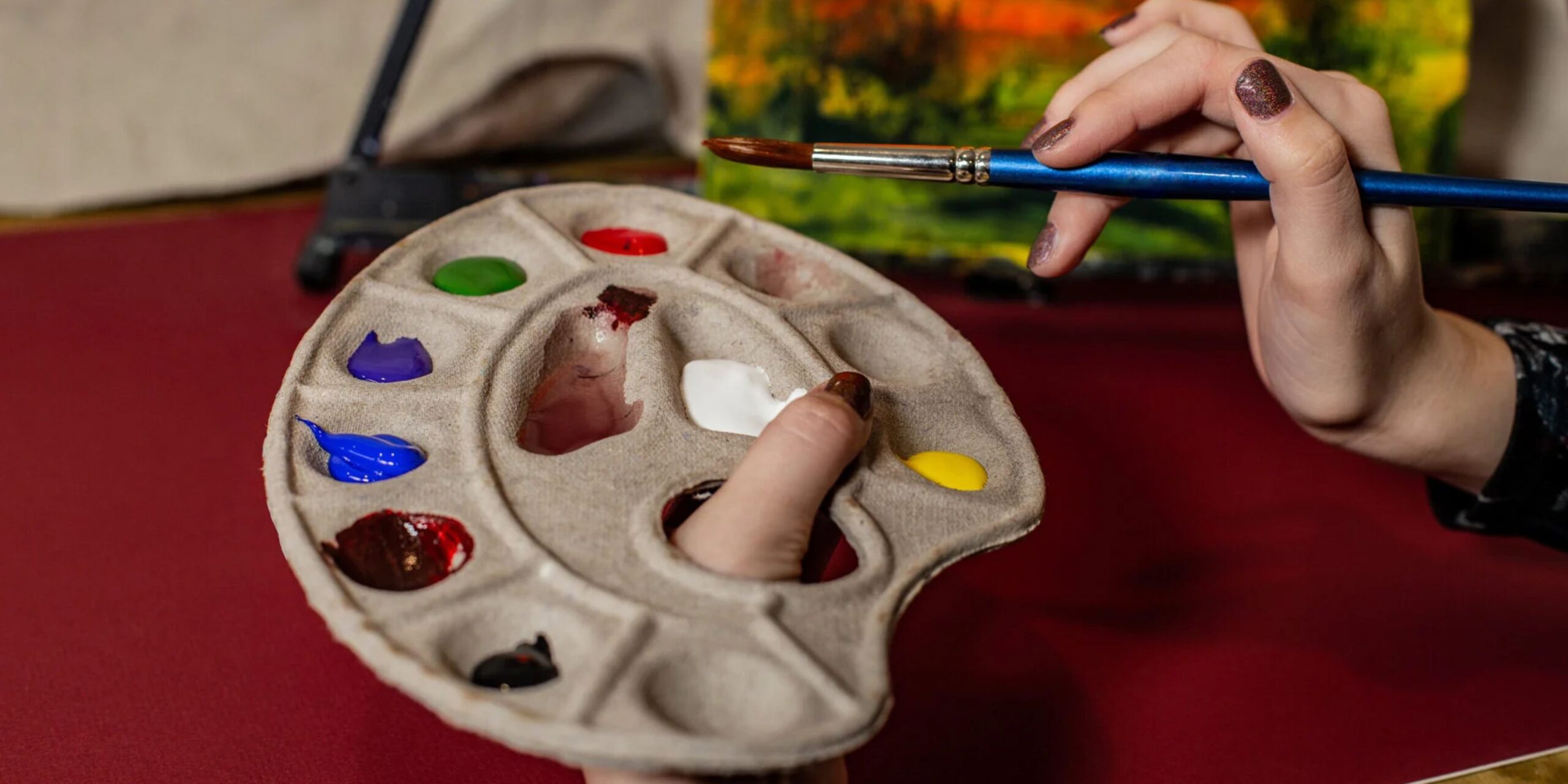
Choosing the right paint palette may seem like a small step, but for an artist, it can make a big difference in comfort, creativity, and the quality of the final artwork. Whether you are a beginner or an experienced painter, asking the right questions before you buy Paint palette can help you pick a tool that matches your style, supports your workflow, and lasts for years.
A paint palette isn’t just a flat surface—it’s a space where colors come to life. It’s where you mix shades, experiment with tones, and make decisions that shape your art. That’s why selecting a palette should be done with careful thought.
In this blog, we’ll explore the most important questions you should ask before buying a paint palette. By the end, you’ll know exactly what to look for, whether you want a classic wooden palette, a modern plastic one, or an eco-friendly painter palette made from recycled materials.
1. What Material Is the Palette Made From?
The material of a palette affects almost everything—its weight, durability, comfort, and how easy it is to clean. Before choosing one, consider the different options available:
Wooden Palettes
- Traditional and loved by professional artists
- Great for oil paints
- Develop a natural patina over time
- Can be slightly heavier than others
Plastic Palettes
- Lightweight
- Affordable
- Easy to clean
- Works well for acrylics and watercolors
Glass Palettes
- Smooth surface for mixing
- Very easy to clean
- Heavy but sturdy
Eco-Friendly Palettes
- Made from recycled materials
- Sustainable and earth-friendly
- Often unique and stylish
- Great for artists who care about the environment
If sustainability matters to you, choosing an eco friendly painter palette is a wonderful way to reduce your environmental impact while still getting a high-quality artist tool.
2. What Size and Shape Do You Need?
Palettes come in many shapes and sizes. The choice depends on your painting style, workspace, and comfort.
Common Shapes
- Oval Palettes: Easy to hold, classic design
- Rectangle Palettes: Spacious; great for studio work
- Round Palettes: Ideal for watercolors
Size Matters
- Small Palettes: Good for travel or small spaces
- Medium Palettes: Perfect for most hobby and student painters
- Large Palettes: Best for professional artists using wide brushstrokes or multiple colors
Before you buy paint palette options, ask yourself how much mixing space you need and how long you usually paint. A palette that’s too small can slow you down, while one that’s too big may feel uncomfortable to handle.
3. Is the Palette Comfortable to Hold?
Comfort is important, especially if you paint for long hours. If your palette has a thumb hole, try imagining how it would feel to use. The edges should be smooth, and the weight should feel balanced.
A heavy palette can quickly tire your arm. Lightweight or ergonomic palettes keep your hand relaxed, allowing you to focus on your art instead of discomfort.
For studio artists who work at an easel, holding the palette in hand is common. For table painters, a flat palette is more suitable.
4. What Type of Paint Do You Use?
Not every palette works well with every type of paint. Before you choose one, think about what you use most often.
For Acrylic Paints
- Plastic or glass palettes are ideal
- Non-porous surfaces prevent paint from sticking
- Easy to scrape off dry acrylic
For Watercolors
- Palettes with wells are best
- Keep colors organized and prevent mixing accidents
- Lightweight and easy to wash
For Oil Paints
- Wooden palettes are preferred
- Smooth, long-lasting surface
- Comfortable for long mixing sessions
Ask yourself: Does this palette match the kind of painting I do most often?
This simple question will save you from buying a palette that isn’t suitable.
5. How Easy Is It to Clean the Palette?
Cleaning is an important part of the process. Some palettes are extremely easy to maintain, while others take a bit more effort.
Easy-to-Clean Options
- Glass (scrapes clean easily)
- Plastic (simple to wash with soap and water)
- Eco-friendly recycled surfaces (depends on design but often very smooth)
More Effort Required
- Wooden palettes need oiling
- Paint buildup can happen over time
- Must be cleaned before paint dries
If you don’t like cleaning for long, choose a palette that helps you keep things simple.
6. Do You Paint At Home or On the Go?
Your painting environment matters more than you think. A studio artist’s needs differ from those who paint outdoors or while traveling.
For Home or Studio Painting
- Larger palettes work well
- Glass or wood palettes are great choices
- Weight is not a big issue
For Travel or Outdoor Painting
- Lightweight palettes are best
- Plastic or compact eco-friendly palettes
- A foldable palette with wells may help
Before you buy a paint palette, think about where you spend most of your painting time.
7. Does the Palette Match Your Artistic Style?
Every artist has a unique way of mixing colors. Some like to blend several tones at once, while others work with limited colors.
Ask yourself:
- Do I mix many colors or just a few?
- Do I need deep wells or a flat surface?
- Do I prefer lots of empty space?
Your palette should support the way you work, not limit you.
8. How Durable Is the Palette?
A durable palette lasts for years, saving you money over time. If you invest in a high-quality palette, you won’t need replacements often.
Durability Checklist
- Strong material
- Smooth surface that doesn’t scratch easily
- Resistance to stains
- Sturdy edges
- Not prone to warping
Eco-friendly palettes made from recycled materials are surprisingly strong and can last just as long—or longer—than traditional palettes.
9. Does the Palette Look and Feel Inspiring?
Art is an emotional process. Using tools that inspire you can boost creativity. Many artists choose a palette because they feel connected to it, not just because it’s practical.
A unique design, recycled material, or handcrafted finish can make your palette feel special. When you enjoy using your tools, you naturally create better work.
10. Is It Eco-Friendly and Sustainable?
Today, more artists are choosing tools that align with their values. If you care about nature, sustainability, and reducing waste, choosing an eco-friendly painter palette is a great step.
Benefits of Eco-Friendly Palettes
- Made from recycled materials
- Reduces plastic waste
- Supports green practices
- Often handcrafted
- Unique look and texture
Before buying, ask:
Is this palette good for me and good for the planet?
11. Is the Price Worth the Quality?
A palette doesn’t need to be expensive, but it should offer good value. When comparing prices, think about:
- Material quality
- Durability
- Size
- Special features
- Eco-friendly benefits
Sometimes, spending a little more means getting a palette that lasts longer and works better.
Ask yourself:
Will this palette serve me well for the next few years?
12. Does the Palette Support Your Growth as an Artist?
As your skills grow, your tools should grow with you. A palette that works for a beginner may not suit an advanced painter.
Think long-term:
- Will I still like this palette as my style changes?
- Does it offer enough space for advanced mixing?
- Is it durable enough to support daily practice?
Choosing the right palette today can support your creative journey for years ahead.
Final Thoughts
A paint palette might seem like a simple tool, but it plays a big role in your artistic experience. Asking the right questions before you buy Paint palette ensures that you choose one that fits your needs, supports your style, and helps you create your best work.
Whether you prefer a classic wooden palette, an easy-to-clean plastic one, or an eco friendly painter palette made from recycled materials, the right choice can inspire creativity and make your painting process smoother and more enjoyable.
If you’re looking for a unique and sustainable palette option, you can explore the recycled Painter’s Palette from Vinylize.


 Shreya Singh
 Muhammad Junaid