ER of Fort Worth- EMERGENCY ROOM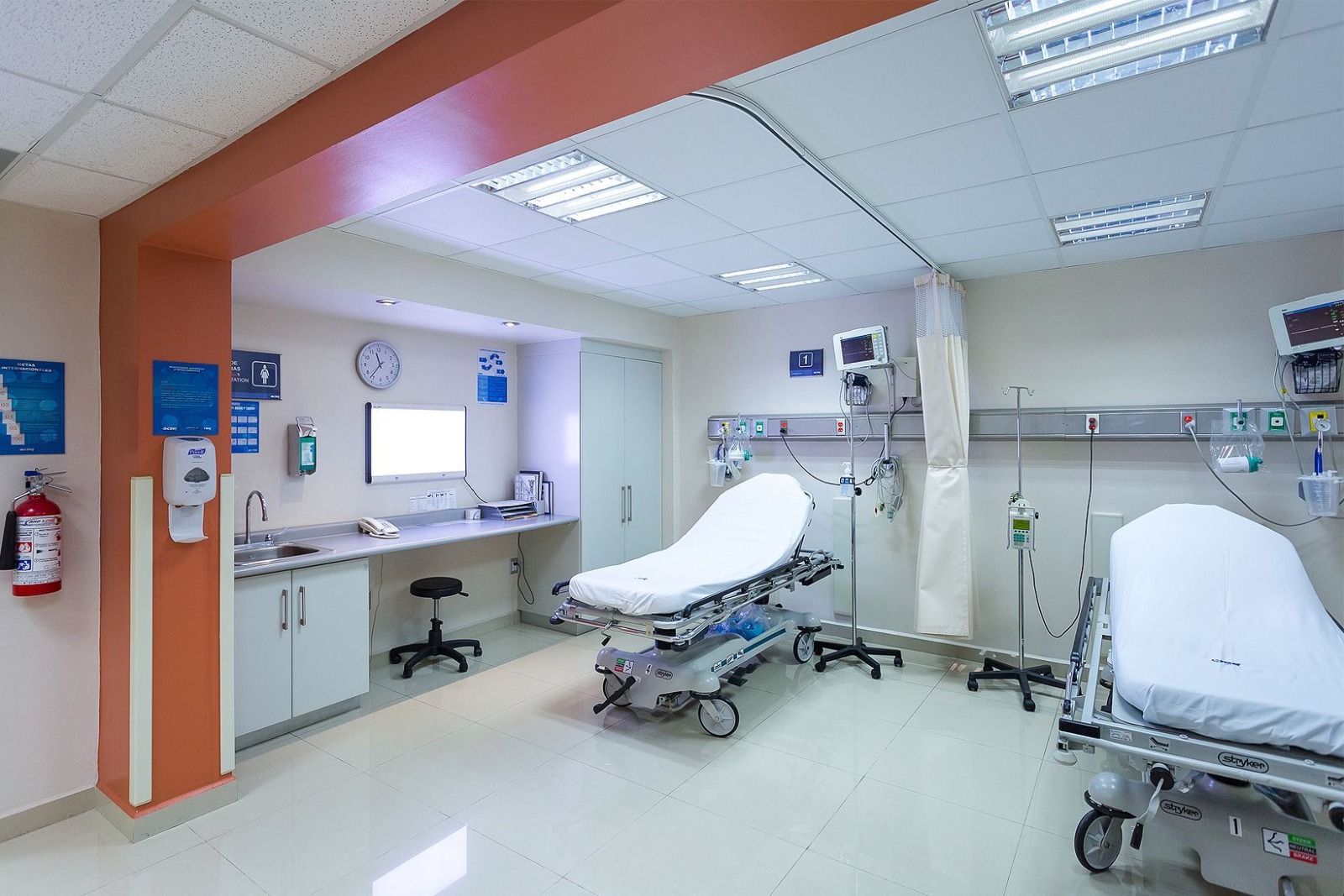
Knowing when to seek emergency medical care can make a critical difference in health outcomes. An Emergency Room in Fort Worth TX is designed to treat serious, sudden, and potentially life-threatening conditions that require immediate attention. Many people delay care because they are unsure whether their symptoms are serious enough, but emergency medicine exists for situations where waiting can be dangerous. Understanding the warning signs that require emergency care helps individuals and families make confident decisions during stressful moments. This guide explains when it is necessary to visit an emergency room in Fort Worth so you can act quickly when it matters most.
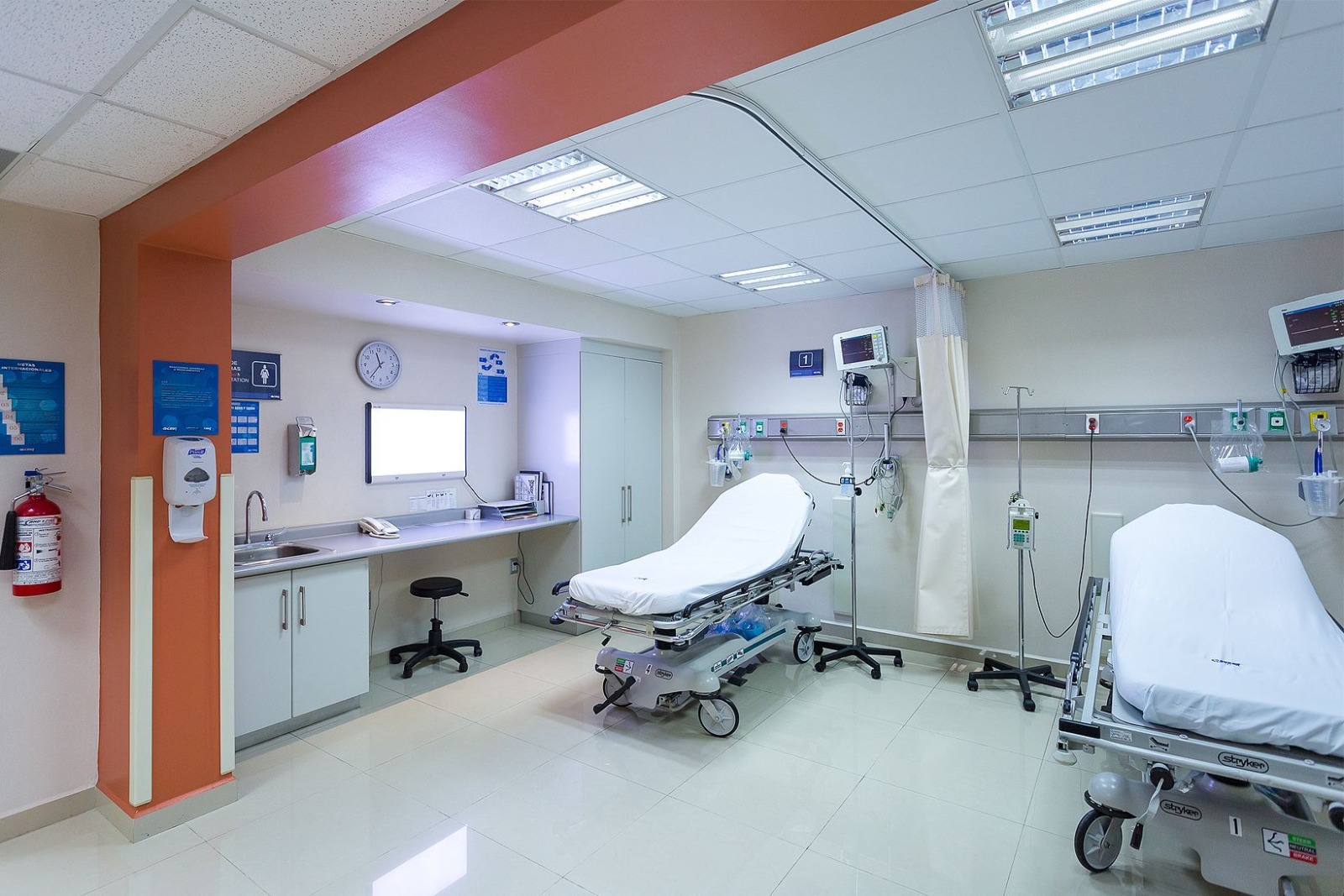
What Is Considered a Medical Emergency?
A medical emergency is any condition that poses an immediate risk to life, long-term health, or normal bodily function. These conditions often worsen rapidly without prompt treatment. Emergency rooms are equipped with advanced diagnostic tools, trained physicians, and 24/7 availability to manage urgent situations without delay. If symptoms are severe, sudden, unexplained, or rapidly worsening, emergency care is usually the safest option. Trusting your instincts and seeking care early can help prevent complications and support better recovery.
Chest Pain and Heart-Related Symptoms
Chest pain is one of the most common reasons people seek emergency care, and for good reason. It may indicate a heart attack, blood clot, or another serious cardiovascular condition. Symptoms requiring immediate evaluation include chest pressure or tightness, pain spreading to the arm, jaw, neck, or back, shortness of breath, nausea, sweating, or dizziness. Emergency rooms can quickly perform cardiac testing, monitoring, and blood work to determine whether the heart is involved and begin treatment immediately.
Difficulty Breathing and Respiratory Distress
Any sudden or severe breathing difficulty should be treated as a medical emergency. Shortness of breath, wheezing, choking, bluish lips or fingertips, or rapid breathing may signal asthma attacks, pneumonia, allergic reactions, or other serious respiratory conditions. Emergency care provides oxygen support, medications, and close monitoring to stabilize breathing and prevent further complications.
Stroke and Neurological Warning Signs
Neurological emergencies require immediate attention, as time is critical. Warning signs such as sudden weakness or numbness on one side of the body, confusion, difficulty speaking or understanding speech, vision problems, severe headaches, seizures, or loss of consciousness require urgent evaluation. Emergency rooms are trained to recognize stroke symptoms quickly and initiate time-sensitive treatment that can significantly reduce the risk of long-term damage.
Severe Injuries and Trauma
Accidents and traumatic injuries are another common reason to visit an emergency room. Head injuries, deep wounds, uncontrolled bleeding, broken bones, severe burns, electrical shocks, or injuries from falls or car accidents should be evaluated immediately. Even injuries that appear minor at first can worsen without proper assessment. Emergency rooms provide imaging, wound care, pain management, and stabilization to ensure injuries are treated correctly.
Severe Abdominal Pain and Digestive Emergencies
Intense or persistent abdominal pain can indicate serious internal conditions such as appendicitis, internal bleeding, bowel obstruction, or infections. Vomiting blood, black stools, severe dehydration, or sudden abdominal swelling are also warning signs. Emergency rooms can quickly assess abdominal symptoms using laboratory tests and imaging to identify the cause and begin appropriate treatment.
High Fever, Infections, and Sepsis Concerns
A high fever that does not improve with medication, especially when accompanied by confusion, rash, rapid breathing, or extreme weakness, may signal a serious infection. In some cases, infections can progress to sepsis, a life-threatening condition that requires immediate medical care. Emergency rooms provide rapid diagnosis, IV medications, and continuous monitoring to reduce infection-related risks.
Allergic Reactions and Anaphylaxis
Severe allergic reactions can escalate quickly and become life-threatening. Swelling of the face, lips, tongue, or throat, difficulty breathing, widespread hives, or a sudden drop in blood pressure are signs of anaphylaxis. Emergency rooms are equipped with the medications and monitoring needed to treat allergic reactions promptly and safely.
Paediatric Emergencies
Children may not always be able to clearly explain their symptoms, making emergency evaluation especially important. High fevers, breathing difficulties, persistent vomiting, dehydration, seizures, or head injuries in children should be assessed immediately. Emergency rooms provide specialized care and monitoring to ensure children receive timely and appropriate treatment.
When Not to Wait or Self-Treat
Delaying care or attempting to manage serious symptoms at home can increase health risks. Sudden changes in consciousness, unexplained severe pain, worsening symptoms, or anything that feels abnormal should not be ignored. This is where an Emergency Room Fort Worth residents depend on becomes essential, providing immediate access to advanced medical evaluation when waiting is not safe.
Emergency Room vs Urgent Care
Urgent care centres are appropriate for minor illnesses and injuries, but they are not equipped to manage life-threatening emergencies. Emergency rooms offer advanced diagnostics, continuous monitoring, and physician-led care at all hours. When there is uncertainty about symptom severity, choosing the emergency room is the safest decision. For those seeking dependable emergency medical services, ER of Fort Worth- Emergency Room provides 24/7 access to experienced physicians, advanced diagnostic technology, and compassionate care. The focus remains on fast evaluations, accurate diagnoses, and immediate treatment for serious medical concerns affecting individuals and families in the Fort Worth area.
Why Acting Quickly Matters
Emergency medicine is built around speed and precision. Early treatment often reduces complications, shortens recovery time, and can save lives. Knowing when to seek emergency care allows patients to act with confidence instead of hesitation during critical moments.
Conclusion
Recognizing the warning signs of serious illness or injury is essential for protecting your health. An Emergency Room in Fort Worth TX exists to provide immediate, expert care when symptoms are severe, sudden, or potentially life-threatening. From chest pain and breathing difficulties to injuries, infections, and neurological symptoms, emergency rooms are designed to respond quickly and effectively. When in doubt, seeking emergency care is always the safer choice.
FAQs
When should someone go to the emergency room?
If you have a painful broken bone, crushing chest pain, sudden dizziness, trouble breathing, or any sign of heart attack or stroke, you should call an ambulance and go straight to the nearest hospital emergency department (ED). That’s a clear-cut emergency.
What is the best time to go to the emergency room?
The best time to go to the ER for shorter waits is early mornings (7-10 AM) or late nights (after midnight), avoiding peak hours between noon and 9 PM; however, you should go immediately for life-threatening issues like chest pain, difficulty breathing, or stroke symptoms, regardless of the time, as ERs are for emergencies, not just convenience. If it’s less severe but still urgent, early morning often sees healthcare professionals refreshed and less busy.
What is the most common reason for emergency room visits?
When it comes to injuries, the Agency for Healthcare Research and Quality, falls are the most common cause of injury-related emergency department visits, making up one-third of the 26.5 million total injury visits. Other top reasons include impact injuries, crashes, cuts, overexertion and bites/stings.


 Shawn Williams
 A2B Moving and Storage DMV