Kinetic Engineering Corporation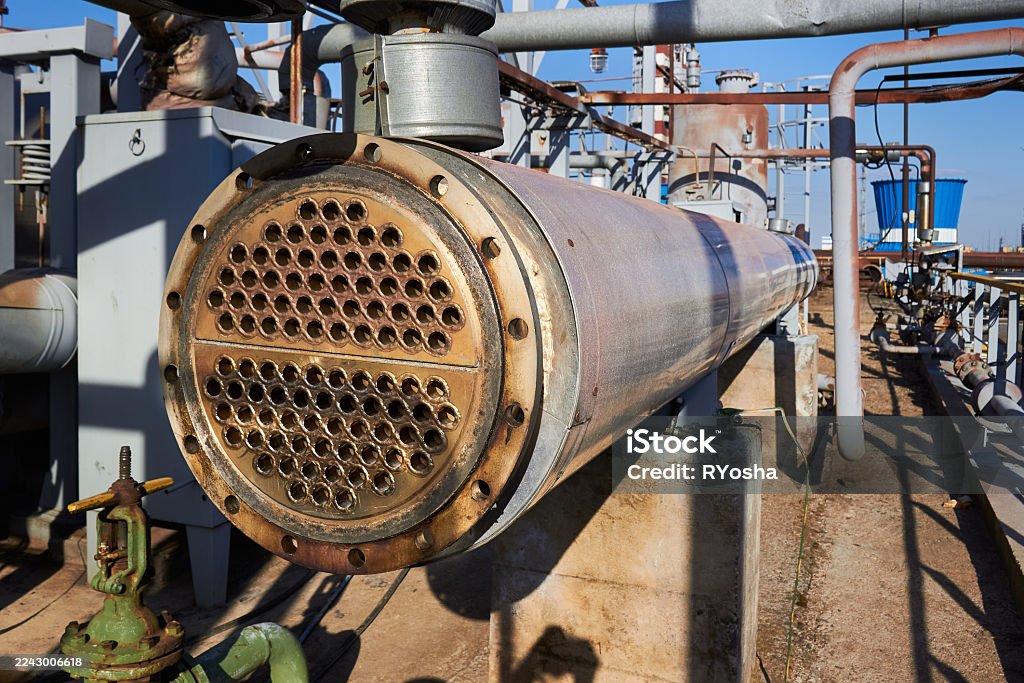
Efficient heat exchange lies at the heart of many industrial and commercial processes. The right heat exchanger can make all the difference in terms of performance and cost-efficiency.
Plate heat exchanger is a popular choice among engineers due to its space-saving design and excellent heat transfer capabilities.
If you are thinking about upgrading your thermal equipment or want to learn more about the technology before making a purchase, this guide will help you identify the benefits of a plate heat exchanger and the advantages it provides over the alternatives.
Plate Heat Exchanger: Definition and Variants
A plate heat exchanger is a type of heat exchanger consisting of a set of thin plates arranged in such a way as to allow two fluids to flow through them and transfer heat from one to the other without allowing them to mix.
Plate heat exchangers can be found in many shapes and sizes depending on the application. Some of the most common variants are gasketed, brazed, welded, and semi-welded heat exchangers.
Plate Heat Exchanger: Operating Principle
The operating principle of a plate heat exchanger is relatively simple.
The working fluid flows through the exchanger in two separate circuits. The fluids’ flows are directed to pass through the plates in an alternating pattern. The plates have a corrugated surface on both sides, which intensifies the heat transfer process while keeping the fluids isolated.
As a result, the heat exchange between the fluids takes place at a high rate over a large area.
Plate Heat Exchanger: Benefits
High Efficiency
The large surface area and high fluid turbulence levels in a plate heat exchanger contribute to its high efficiency.
A plate heat exchanger has the ability to transfer large amounts of heat from one fluid to another with minimal energy input.
It offers excellent energy efficiency, which results in reduced energy costs and improved process performance.
Space-saving Design
Plate heat exchangers are a great option for industrial facilities with limited space.
Compared to other heat exchanger types, they offer comparable performance in a much smaller footprint.
Moreover, they are generally easier to install due to their compact design.
Energy Savings
The ability of a plate heat exchanger to transfer heat efficiently allows the heating and cooling systems that use them to operate at a lower energy consumption level.
As a result, businesses can reduce their energy costs and improve the sustainability of their operations.
Easy Maintenance
Plate heat exchangers, particularly gasketed ones, are relatively easy to open and inspect. This allows for cleaning, maintenance, and replacement of parts without incurring significant downtime.
Flexible Design and Wide Range of Applications
Plate heat exchangers can be selected and configured to suit a wide range of applications.
They can handle a variety of fluids, including water, steam, and highly corrosive ones, as well as a wide range of flow rates, temperatures, and pressures.
They are used in air conditioning, food processing, pharmaceuticals, power plants, and many other industries.
Plate Heat Exchanger: Industries and Applications
Plate heat exchangers are used in a wide range of industries. Some of the most common ones are:
HVAC
Heating and air conditioning systems use plate heat exchangers to regulate indoor temperatures and humidity.
Food Processing
Plate heat exchangers are used to cool and heat food products, pasteurize liquids, and maintain optimal temperatures throughout the production process.
Pharmaceuticals
They are used to heat and cool various liquids and gases during the production process.
Chemicals
Plate heat exchangers can handle highly corrosive and aggressive fluids, making them suitable for a wide range of chemical processes.
Power Plants
They are used to cool equipment and recover waste heat.
Plate Heat Exchanger: Selection Guidelines
When selecting a plate heat exchanger, there are several factors to consider.
Heat Transfer Needs
Determine the amount of heat that needs to be transferred and the operating conditions under which the exchanger will be used.
Fluid Properties
Consider the physical properties of the fluids that will be used, such as viscosity, corrosiveness, and cleanliness.
Pressure and Temperature
Select the model that can withstand the pressures and temperatures of the process fluids.
Maintenance Requirements
Consider how often the heat exchanger will need to be cleaned or serviced.
Expansion Needs
If there is an expectation of increased production in the future, it may be worth selecting an exchanger that can handle a higher flow rate to avoid having to purchase a new one sooner.
Plate Heat Exchanger: Maintenance Guidelines
To ensure the long-term efficiency and performance of a plate heat exchanger, regular maintenance should be carried out.
The following actions are recommended:
- Periodically inspecting the heat exchanger for signs of damage or wear.
- Cleaning the plates according to the manufacturer’s instructions.
- Monitoring the pressure drop across the exchanger.
- Reinstalling gaskets if the heat exchanger requires periodic disassembly for cleaning.
- Using treated fluids to reduce the risk of scale buildup and corrosion.
Plate Heat Exchanger: Summary
Plate heat exchanger is a valuable asset to any industry that requires efficient heat exchange. It offers excellent efficiency, compact design, and flexibility in terms of fluids, temperatures, and pressures it can handle. By choosing the right plate heat exchanger and properly maintaining it, a business can benefit from lower energy costs, reduced downtime, and improved process performance.
Frequently Asked Questions
1. What is a plate heat exchanger used for?
A plate heat exchanger is used to transfer heat from one fluid to another. It is commonly used in HVAC, food processing, chemical manufacturing, pharmaceuticals, refrigeration, and power plants.
2. What are the advantages of a plate heat exchanger?
Some of the main advantages of a plate heat exchanger include high efficiency, compact design, low energy consumption, flexible design, easy maintenance, and reliable performance.
3. How is a plate heat exchanger different from a shell and tube heat exchanger?
A plate heat exchanger uses a set of thin plates to maximize the surface area and facilitate the exchange of heat between two fluids. A shell and tube heat exchanger uses a set of tubes for the same purpose. The former generally has a much higher heat transfer coefficient than the latter.
4. How to choose a plate heat exchanger?
When choosing a plate heat exchanger, it is important to consider factors such as heat load, fluid properties, flow rate, operating pressure, temperature, maintenance requirements, and space requirements.


 Eknath Girhepunje