Peak Movement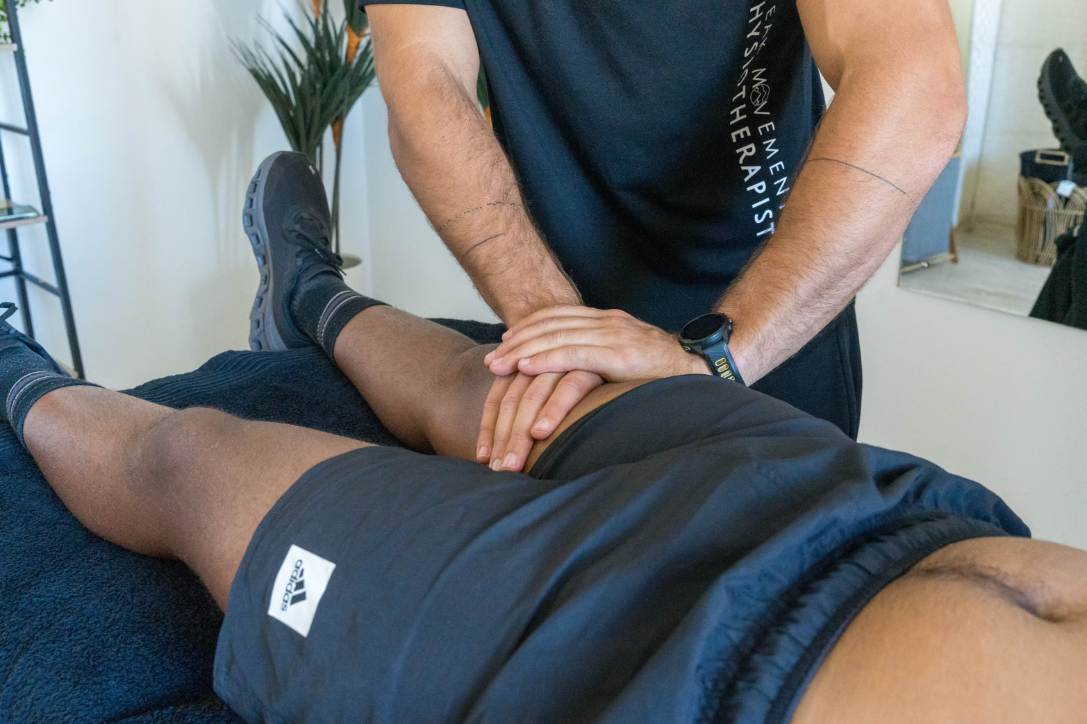
South Africans are known for embracing an active lifestyle. From weekend trail runs and competitive rugby to long-distance cycling and gym training, movement is a central part of daily life. But with activity comes the risk of strain, injury, and long-term wear and tear. Too often, people ignore small aches until they become major setbacks.
This is where professional physiotherapy makes a difference. Seeking the support of a qualified physiotherapist Cape Town residents trust can help prevent minor issues from becoming chronic conditions, allowing you to stay active, strong, and pain-free for the long term.
The Demands of an Active South African Lifestyle
South Africa offers diverse opportunities for movement and sport. Whether you’re hiking in the Drakensberg, surfing along the Western Cape coastline, or training for a marathon, your body is constantly adapting to physical stress.
However, even everyday routines — long commutes, desk-based jobs, heavy lifting, or standing for hours — can contribute to muscle imbalances and joint strain. Over time, these small stresses accumulate.
Common issues include:
- Lower back pain from poor posture
- Neck and shoulder tension from prolonged screen time
- Knee pain linked to running or sports
- Repetitive strain injuries in the workplace
- Post-operative stiffness and weakness
Many people assume these are “normal” discomforts. In reality, they are signals that the body needs attention.
Why Early Intervention Is Essential
Ignoring pain can lead to compensation patterns. When one joint or muscle group is weak or injured, the body shifts the load elsewhere. This may temporarily reduce discomfort but often creates secondary problems.
Early physiotherapy intervention focuses on:
- Identifying the root cause of pain
- Restoring correct movement patterns
- Improving strength and mobility
- Preventing re-injury
What Does a Physiotherapist Actually Do?
Physiotherapy is more than massage or basic exercises. A trained physiotherapist performs a detailed assessment of posture, movement, strength, flexibility, and biomechanics.
Treatment may include:
- Manual therapy techniques
- Targeted strengthening programmes
- Mobility and flexibility work
- Postural correction strategies
- Sports-specific rehabilitation
- Education on load management
Physiotherapy for Sports Injuries
Sport plays a major role in South African culture. From school-level athletics to professional competitions, athletes at every level face the risk of injury.
Common sports injuries include:
- Ankle sprains
- Hamstring strains
- Shoulder instability
- ACL-related knee issues
- Tendon injuries, such as Achilles or patellar tendinopathy
Office-Related Pain and Postural Problems
Not all injuries happen on the sports field. Modern work environments contribute significantly to musculoskeletal pain.
Sitting for extended periods affects hip mobility and spinal alignment. Poor workstation setup can strain the neck, shoulders, and wrists. Over time, this may lead to chronic tension headaches, lower back pain, and repetitive strain injuries.
Physiotherapy can:
- Assess workplace ergonomics
- Improve core stability
- Correct postural habits
- Reduce muscle tension
- Prevent long-term joint degeneration
Rehabilitation After Surgery
Post-surgical rehabilitation is a critical component of recovery. Whether after orthopaedic procedures, joint replacements, or ligament reconstruction, physiotherapy helps restore mobility and strength safely.
A structured rehabilitation plan:
- Reduces stiffness
- Prevents muscle atrophy
- Restores functional movement
- Improves circulation
- Speeds up safe return to daily activities
Preventative Physiotherapy: A Smarter Approach
Physiotherapy is not only for people in pain. Increasingly, active individuals are using preventative strategies to improve performance and reduce injury risk.
Preventative physiotherapy may include:
- Movement screening
- Strength and conditioning advice
- Biomechanical assessments
- Injury risk profiling
- Load management planning
The Importance of Personalised Treatment
Everybody is different. Two people with similar symptoms may require completely different treatment approaches.
Effective physiotherapy considers:
- Individual goals
- Lifestyle demands
- Sporting activities
- Medical history
- Movement patterns
Choosing the Right Physiotherapist in Cape Town
When selecting a physiotherapist, qualifications and experience matter. Look for practitioners who:
- Conduct thorough assessments
- Provide clear explanations
- Focus on long-term solutions
- Create structured rehabilitation plans
- Encourage patient involvement
Long-Term Benefits of Physiotherapy
The benefits of physiotherapy extend beyond pain relief. Over time, patients often notice:
- Improved posture
- Better flexibility
- Increased strength
- Enhanced athletic performance
- Reduced injury recurrence
- Greater body awareness
Investing in Your Physical Health
In a fast-paced world, health is often neglected until something goes wrong. But proactive care is always more effective than reactive treatment. Seeing a physiotherapist Cape Town residents rely on is not simply about addressing pain — it’s about maintaining the ability to move confidently and comfortably throughout life. Whether you are training for a sporting event, recovering from surgery, or managing everyday aches, physiotherapy provides structured, evidence-based solutions.
Conclusion
Taking a proactive approach to movement health can transform the way you train, work, and live. From injury prevention to postoperative recovery, professional physiotherapy offers practical, long-term solutions tailored to your individual needs.
For those seeking expert guidance and personalised care, Peak Movement provides professional physiotherapy services designed to help you move better, recover stronger, and stay active for years to come.


 Trade Flock
 Dazzle Events