Darren Plesis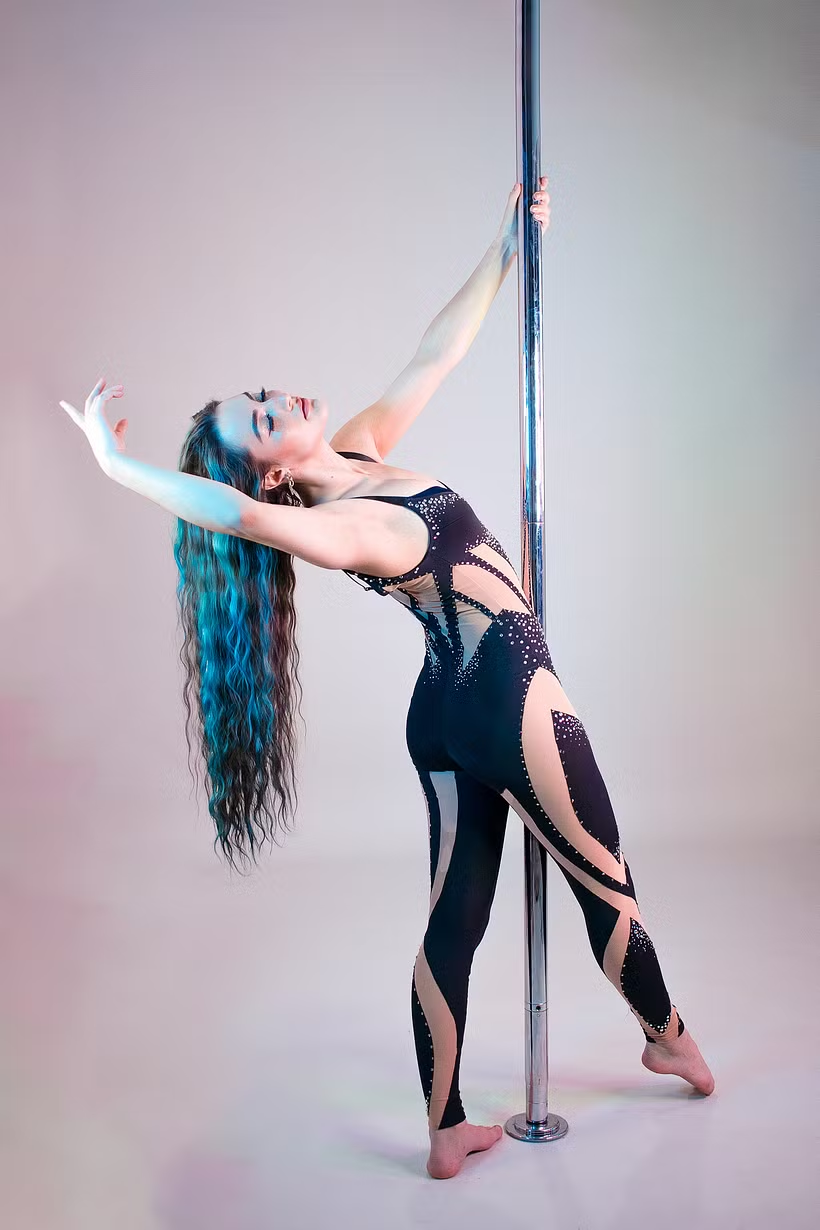
Modern pole dance has evolved far beyond its early perceptions. Today, it stands at the intersection of athletic strength and artistic expression, demanding both physical power and creative precision. Unlike traditional fitness disciplines that focus purely on muscle development or endurance, pole dance blends biomechanical strength with controlled storytelling through movement. This unique fusion is what makes it one of the most technically demanding and visually captivating performance forms today.
At its core, pole dance requires the discipline of a strength sport and the presence of a performance art. It challenges the body to generate force, manage friction, control momentum, and maintain fluidity — often within the same routine.
The Strength Sport Element of Pole Dance
From a physical standpoint, pole dance demands advanced strength development. Climbs require pulling power from the upper body, core stability supports inversions, and leg engagement secures grip during holds.
Athletes must develop:
-
Grip endurance
-
Shoulder and back strength
-
Core control
-
Hip stability
-
Explosive power
These attributes are trained progressively, similar to other strength sports. Dancers repeatedly practice holds and transitions to build muscular endurance and control under load.
Pole dance also places significant demand on joint stability. Inversions and dynamic spins require precise muscular engagement to protect shoulders, wrists, and knees. This makes pole dance not only a display of strength but also a test of controlled power.
Performance Art: The Expressive Layer
While strength builds the foundation, expression brings pole dance to life. Each routine carries rhythm, intention, and personality. Timing, musical interpretation, and stage presence transform physical movement into artistic performance.
Unlike traditional strength training, pole dance requires athletes to maintain grace under physical strain. Facial expression, posture, and movement flow must remain intentional even during challenging holds.
This dual demand separates pole dance from standard athletic disciplines. It is not enough to execute a trick — the trick must be performed with confidence, fluidity, and control.
Biomechanics and Controlled Movement
Pole dance routines are built on biomechanical principles. Momentum must be generated and managed carefully. Too much force can destabilize a spin; too little force can interrupt flow.
Dancers learn to:
-
Control rotational speed
-
Manage body alignment during inversions
-
Distribute weight effectively
-
Regulate friction between skin and pole
These skills require technical precision. Every movement is calculated, even when it appears effortless.
The ability to combine biomechanical efficiency with expressive flow defines pole dance as a hybrid discipline.
Grip and Friction Management
Grip is one of the most critical components in pole dance. Without controlled friction, strength becomes ineffective.
Dancers constantly adjust to environmental factors like humidity and body temperature. Managing friction is both a science and an art. Too much friction can interrupt smooth transitions; too little can compromise safety.
This delicate balance requires physical awareness and strategic movement, further reinforcing pole dance’s athletic complexity.
Explosive Power Meets Fluid Transitions
Dynamic routines often combine explosive movements with soft landings. A dancer might launch into a spin with power and then descend gracefully into floorwork.
This contrast between force and fluidity is what defines the hybrid nature of pole dance. Power alone would look rigid. Fluidity alone would lack impact. Together, they create a compelling visual narrative.
Training for both explosive strength and controlled descent takes time, discipline, and focused technique.
Mental Discipline and Focus
Pole dance demands mental focus equal to its physical intensity. Complex combinations require memorization, spatial awareness, and split-second timing.
Loss of concentration can disrupt rhythm or compromise safety. Dancers must remain mentally present while performing physically demanding sequences.
This combination of physical and mental discipline aligns pole dance with elite athletic training.
Endurance Under Performance Pressure
Unlike gym training, pole dance often takes place under performance conditions — whether in competitions or studio showcases. Stage lights, audience attention, and choreography timing increase pressure.
Maintaining strength, grip, and composure under these conditions requires resilience. Dancers train not only for physical execution but also for confident delivery.
This blend of athletic endurance and performance readiness strengthens pole dance’s identity as both sport and art.
Core Stability as the Connecting Element
Core strength acts as the bridge between athleticism and artistry in pole dance. Stable core engagement allows dancers to maintain alignment while expressing movement fluidly.
Without core control, transitions appear unstable. With strong core stability, movements look intentional and polished.
Core training in pole dance supports lifts, spins, and expressive shapes — reinforcing the hybrid nature of the discipline.
Progressive Skill Development
Pole dance progression mirrors athletic training models. Beginners master foundational grips and climbs before advancing to inversions and dynamic spins.
At the same time, artistic expression evolves. Musicality, confidence, and stage presence grow alongside physical strength.
This balanced development keeps both aspects of the discipline advancing simultaneously.
Redefining Modern Strength
Pole dance challenges outdated definitions of strength. It proves that strength can coexist with grace, flexibility, and creativity.
Athletes in this discipline demonstrate that power does not diminish elegance — it enhances it. This redefinition is reshaping how modern fitness and performance are viewed.
Pole dance stands as evidence that athleticism and artistry are not opposites but complementary forces.
Why the Hybrid Identity Matters
Recognizing pole dance as both a strength sport and performance art elevates its legitimacy. It acknowledges the technical skill, training discipline, and creative depth involved.
This perspective also influences how dancers approach gear, training methods, and recovery. Performance-focused apparel, proper knee protection, and grip-enhancing accessories all support this dual demand.
Final Thoughts
Pole dance is a true hybrid of strength sport and performance art. It combines explosive power, grip control, and biomechanical precision with fluid expression and stage presence. Few disciplines require such a seamless integration of athletic rigor and artistic storytelling.
As the sport continues to evolve, dancers who embrace both its physical and expressive sides will continue raising performance standards. If you’re ready to train with gear designed to support both strength and artistry, explore premium collections from Pole Gekko.


 mahnoor shafiqofficial
 sofia jones