Honeywell buildings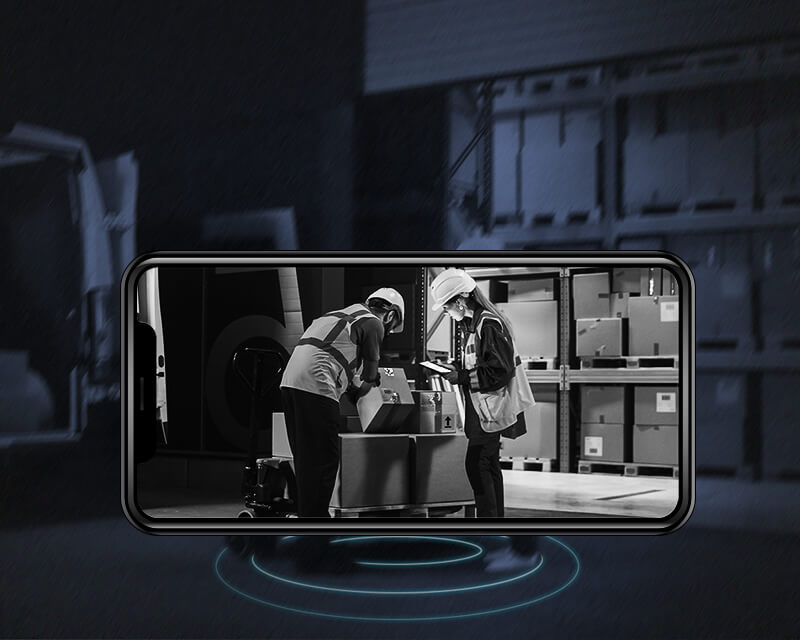
Walk into any new office space, warehouse, or even a mid-sized retail store in India today, and you’ll notice one thing immediately—security is no longer an afterthought. Over the past few years, I’ve seen a clear shift in how businesses approach safety. It’s not just about installing cameras anymore; it’s about building a smarter, more responsive environment that can adapt in real time.
This shift is largely driven by rapid urban growth, rising operational complexity, and the need for better control over assets and people movement. From my experience working with commercial setups, traditional setups often fall short when scalability and flexibility are required. That’s where modern systems are stepping in.
One of the biggest changes has been the growing adoption of the wireless cctv camera. Unlike older wired systems that required extensive installation and maintenance, wireless solutions are far more adaptable. Businesses can expand coverage without tearing down walls or disrupting operations. This becomes especially useful in dynamic environments like warehouses or co-working spaces where layouts keep changing.
Another aspect that’s gaining attention is remote accessibility. Earlier, security teams had to be physically present to monitor activities. Now, with a security camera app, business owners and facility managers can keep an eye on operations even when they’re not on-site. I’ve personally seen how this improves response times during incidents—whether it’s a late-night alert or an unexpected entry.
What’s interesting is how this technology is no longer limited to large enterprises. Small and medium businesses across India are increasingly investing in smart security surveillance systems. The reason is simple: they offer better visibility, reduce dependency on manual monitoring, and help in maintaining compliance with safety standards.
From a practical standpoint, modern surveillance solutions bring a few key advantages that stand out in everyday operations:
- Real-time monitoring across multiple locations
- Easy scalability without heavy infrastructure changes
- Improved incident detection using intelligent alerts
- Reduced operational costs over time
- Seamless integration with other building systems
In one project I observed, a logistics company upgraded from a traditional setup to a wireless cctv camera network. Within months, they reported fewer blind spots, quicker incident resolution, and even improved staff accountability. It wasn’t just about security anymore—it became part of their overall efficiency strategy.
At the same time, mobile integration is playing a huge role. A well-designed security camera app doesn’t just show live footage; it provides notifications, playback options, and even analytics. This level of control was unthinkable a few years ago, especially for mid-sized businesses.
The broader concept of security surveillance is also evolving. It’s no longer reactive. Today’s systems are designed to anticipate risks, flag unusual patterns, and support faster decision-making. This proactive approach is particularly important in sectors like healthcare, manufacturing, and large commercial complexes where even small delays can lead to bigger issues.
What makes this trend even more relevant in India is the scale at which infrastructure is growing. With new business parks, smart cities, and industrial corridors coming up, the demand for reliable and intelligent security solutions is only going to increase.
Companies like Honeywell Building Technologies India are contributing to this shift by offering integrated systems that go beyond basic monitoring. Their approach focuses on combining security with automation, energy efficiency, and operational control—something that modern buildings increasingly require.
As someone who has seen both traditional and modern systems in action, the difference is clear. Smart surveillance is not just about watching—it’s about understanding, responding, and improving how spaces function daily.
FAQs
- Are wireless CCTV systems reliable for large commercial spaces?
Yes, modern wireless systems are designed to handle large-scale deployments. They offer stable connectivity, easy scalability, and can be integrated with centralized monitoring platforms. - How does a security camera app improve daily operations?
It allows real-time monitoring, instant alerts, and remote access, helping businesses respond quickly to incidents without being physically present. - Is advanced security surveillance expensive to maintain?
While initial costs may be higher than basic setups, long-term maintenance is often lower due to reduced wiring, easier upgrades, and improved system efficiency.


 allbiz listing
 Ananda Rajan Murugesan