Jeena Sikho HiiMS Hospital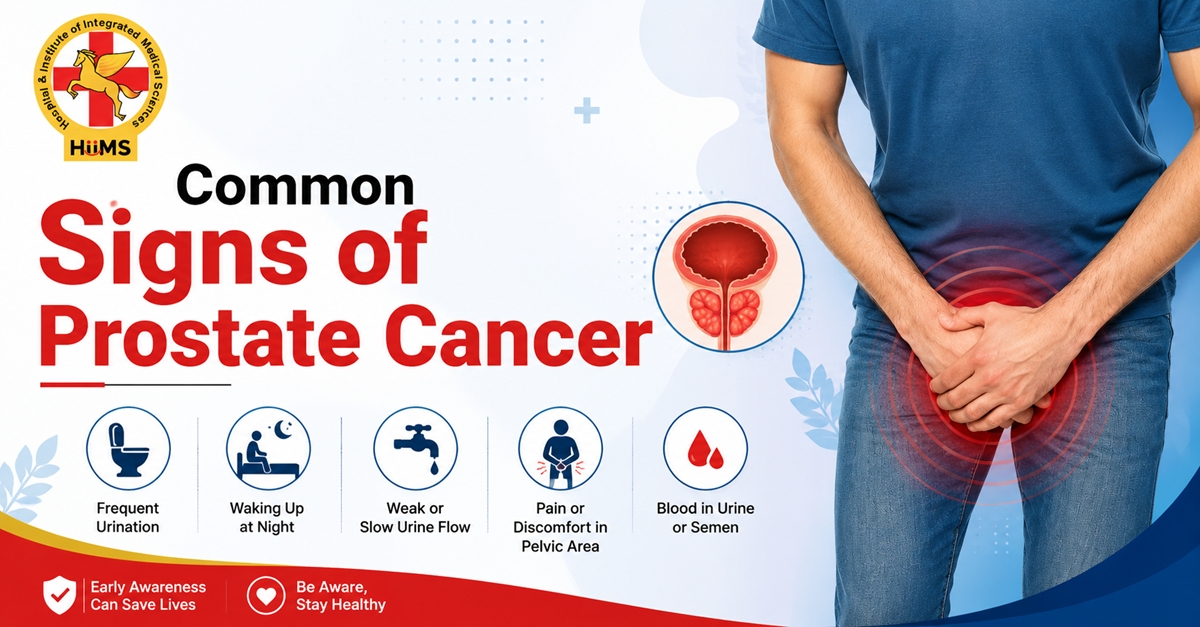
Prostate cancer is one of the most common health concerns seen in men, especially after the age of 50. The prostate is a small gland located below the bladder, and it plays an important role in male reproductive health. In many cases, prostate cancer develops slowly, which means the early warning signs can be easy to miss.
Many men ignore small changes in their urinary habits or general health, assuming they are a normal part of aging. However, recognizing the signs of prostate cancer early can help you seek timely medical advice and make informed decisions about your health.
Let’s look at 10 common warning signs that should not be ignored.
1. Frequent Urination
One of the most common signs of prostate cancer is needing to urinate more often than usual. Some men may notice that they have to visit the bathroom repeatedly throughout the day. This happens because changes in the prostate can affect the normal flow of urine.
2. Waking Up Often at Night to Urinate
Getting up once during the night may not be unusual. However, if you find yourself waking up multiple times to urinate, it could be a warning sign. Nighttime urination can affect sleep quality and may indicate that the prostate is putting pressure on the urinary tract.
3. Difficulty Starting Urination
Do you feel the urge to urinate but struggle to get the flow started? This can happen when the prostate affects the urethra, the tube that carries urine out of the body. Difficulty starting urination is among the important signs of prostate cancer that should not be overlooked.
4. Weak or Interrupted Urine Stream
A urine stream that is weaker than normal or stops and starts unexpectedly can be another warning sign. Many men assume this happens only because of age, but persistent changes should always be discussed with a healthcare professional.
5. Feeling That the Bladder Is Not Empty
After urinating, some men still feel as though there is urine left in the bladder. This sensation can be frustrating and may lead to repeated trips to the bathroom. It is one of the commonly reported signs of prostate cancer and other prostate-related conditions.
6. Blood in the Urine
Seeing blood in the urine can be alarming. While it does not always mean cancer, it should never be ignored. Blood in the urine may indicate changes that require medical evaluation and is considered a possible warning sign of prostate cancer.
7. Blood in the Semen
Blood in the semen is another symptom that deserves attention. Although it may occur due to different health conditions, it can sometimes be associated with prostate problems. If this symptom appears repeatedly, seeking medical advice is important.
8. Erectile Difficulties
Some men with prostate issues may notice changes in their sexual health, including difficulty maintaining an erection. While erectile difficulties can have several causes, they may also be among the signs of prostate cancer in certain cases.
9. Pain in the Lower Back, Hips, or Pelvic Area
Persistent pain in the lower back, hips, or pelvic region should not be ignored. In some cases, prostate cancer may spread beyond the prostate and affect nearby tissues or bones, leading to ongoing discomfort.
10. Unexplained Weight Loss and Fatigue
Losing weight without trying or feeling unusually tired for a long period can be a sign that something is wrong in the body. While these symptoms can occur for many reasons, they may also be associated with advanced prostate cancer and should be evaluated by a healthcare professional.
Why Early Awareness Matters
One important thing to remember is that early prostate cancer may not cause any noticeable symptoms at all. Many men are diagnosed during routine health checkups or screening tests. Community discussions and patient experiences also highlight that some people had no symptoms and only discovered a problem through regular screening tests.
This is why paying attention to your health and not ignoring unusual changes is so important. The earlier a problem is identified, the more treatment options may be available.
The Jeena Sikho HiiMS Approach to Prostate Cancer Care
At Jeena Sikho HiiMS, the approach to prostate cancer focuses on addressing the root causes that may contribute to poor health rather than only managing symptoms. The treatment philosophy combines Ayurveda, naturopathy, nutrition, yoga, and lifestyle modifications to support the body’s natural healing process.
Jeena Sikho HiiMS emphasizes the importance of a healthy diet, stress management, detoxification, and improving overall immunity. Personalized care plans are designed based on each individual’s health condition and needs. The goal is to help patients improve their quality of life, support overall well-being, and encourage healthier lifestyle habits that may contribute to long-term health.
Jeena Sikho HiiMS believes that early awareness, timely action, and a holistic approach can play an important role in supporting individuals facing prostate cancer and other chronic health challenges.
FAQs
1. What are the early signs of prostate cancer?
Early signs of prostate cancer may include frequent urination, difficulty starting urination, a weak urine stream, and waking up multiple times at night to use the bathroom. Some men may not experience any symptoms in the early stages.
2. Can prostate cancer develop without symptoms?
Yes, prostate cancer can develop without noticeable symptoms, especially in its early stages. This is why regular health checkups and screenings are important for men, particularly after the age of 50.
3. Does frequent urination always mean prostate cancer?
No, frequent urination can occur due to several reasons, including urinary tract infections, an enlarged prostate, or other health conditions. However, persistent changes should be evaluated by a healthcare professional.
4. When should I see a doctor for prostate cancer symptoms?
You should consult a doctor if you notice symptoms such as difficulty urinating, blood in the urine or semen, pelvic pain, or any ongoing changes in urinary habits that do not improve.
5. Can lifestyle changes help support prostate health?
Yes, maintaining a healthy diet, staying physically active, managing stress, getting enough sleep, and avoiding harmful habits can help support overall prostate health and well-being.


 Jeena Sikho HiiMS Hospital Ajmer
 Susan Armadale