Jordan Sly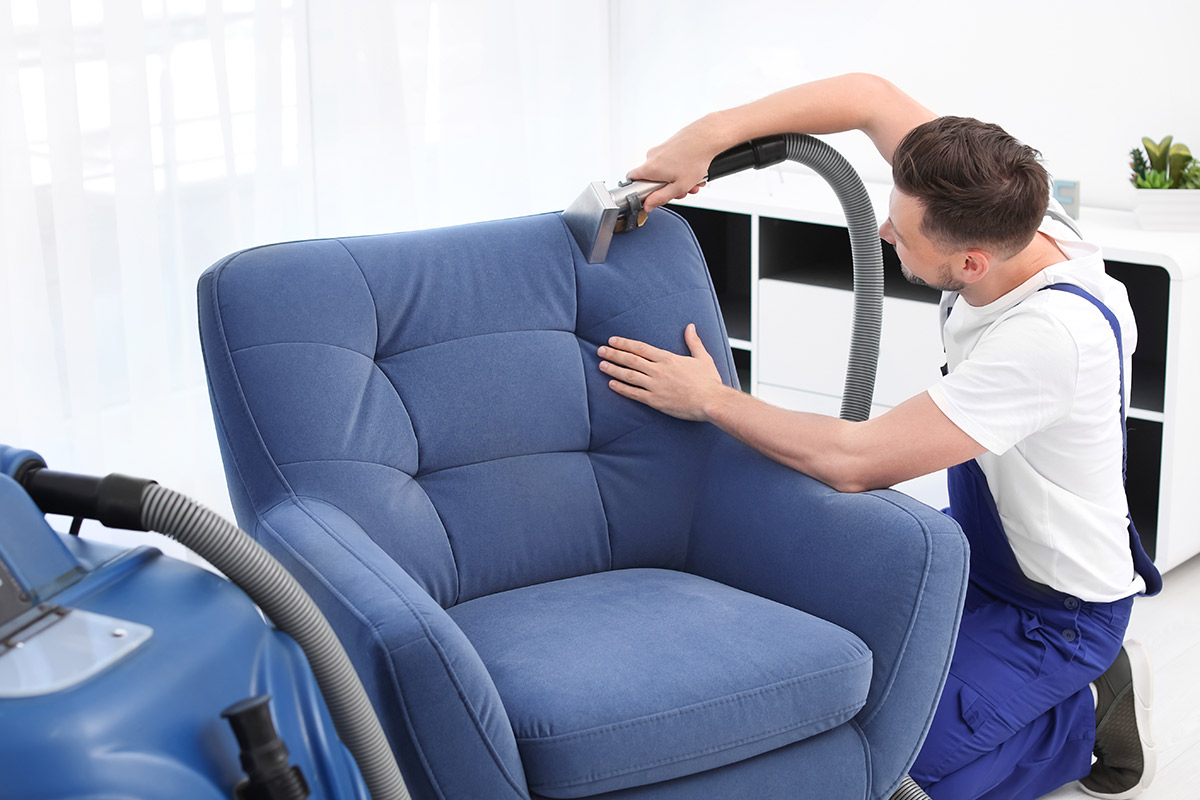
Discovering mould on your fabric couch is alarming and unpleasant. Those fuzzy spots aren’t just unsightly—they’re a health hazard that needs immediate attention. Mould releases spores into the air that can trigger allergies, respiratory problems, and other health issues. The good news is that you can remove mould from a fabric couch using simple household items and straightforward techniques. This guide walks you through seven effective methods to tackle mould and restore your furniture safely.
Mould thrives in damp, poorly ventilated environments, which is why couches in humid rooms or those exposed to moisture often develop these unwelcome growths. Before attempting removal, it’s essential to address the underlying moisture problem, or the mould will simply return. For severe infestations or valuable furniture, professional couch cleaning Melbourne services have specialized equipment and expertise, but many mould problems can be successfully handled at home with the right approach and safety precautions.
Safety First: Protect Yourself
Before touching mouldy fabric, protect yourself properly. Mould spores become airborne when disturbed and can cause health problems if inhaled or if they contact your skin.
Wear disposable gloves to prevent skin contact with mould and cleaning solutions. Choose nitrile gloves over latex as they’re more resistant to chemicals. A face mask is essential—use at least an N95 or P2 respirator that filters out mould spores. Basic surgical masks don’t provide adequate protection.
Safety glasses protect your eyes from splashes and airborne spores. Wear long sleeves and long pants to minimize skin exposure. Open windows and doors to ensure good ventilation before starting work. If possible, move the couch outside or to a well-ventilated area like a garage with doors open.
Keep children and pets away from the work area until cleaning is complete and the couch is thoroughly dry. Mould spores and cleaning chemicals can be harmful to them.
Method 1: Vacuum Away Loose Mould
Start by removing loose mould spores before applying any liquids. This prevents spreading mould deeper into the fabric when you begin wet cleaning.
Use a vacuum cleaner with a HEPA filter. Regular vacuum filters can’t capture tiny mould spores, which then get blown back into your room. Attach the upholstery brush and gently vacuum all affected areas.
Work slowly and methodically, covering the entire mouldy section plus the surrounding area. Don’t press hard—you want to lift surface mould, not push it deeper into fibres. After vacuuming, immediately take the vacuum outside and empty it into a sealed plastic bag. Dispose of this bag in your outdoor bin.
Wipe down the vacuum attachment with a disinfectant solution before storing it. This prevents transferring mould spores to other surfaces during future cleaning.
Method 2: White Vinegar Solution
White vinegar is one of the most effective natural mould killers. It’s safe for most fabrics and kills approximately 82% of mould species.
Mix equal parts white vinegar and water in a spray bottle. Don’t dilute it further—the acidity is what kills mould. Lightly spray the affected area. Don’t soak the fabric, as excess moisture can damage padding and encourage more mould growth.
Let the vinegar solution sit for at least one hour. For stubborn mould, leave it for two to three hours. The vinegar penetrates fabric fibres and kills mould at the roots. After waiting, gently scrub with a soft brush using circular motions. Don’t scrub too hard or you’ll damage the fabric.
Blot the area with clean, dry cloths to absorb moisture and lifted mould. Let the couch air dry completely in a well-ventilated area or under sunlight. The vinegar smell dissipates as it dries.
Method 3: Bicarbonate of Soda Treatment
Bicarbonate of soda (baking soda) absorbs moisture and neutralizes odours whilst killing mould. It’s gentle on fabrics and completely safe.
Sprinkle a generous amount of bicarbonate of soda directly onto dry mouldy areas. Cover the entire affected section plus a border around it. Let it sit for at least two hours, or overnight for severe mould. The powder absorbs moisture and helps lift mould from fibres.
For enhanced effectiveness, spray the bicarbonate of soda lightly with white vinegar from a spray bottle. This creates a fizzing reaction that helps break down mould. The combination of these two ingredients creates a powerful mould-fighting treatment.
After the waiting period, vacuum up all the powder using your HEPA-filter vacuum. You should see significant improvement. Repeat if necessary. For persistent stains, make a paste with bicarbonate of soda and a small amount of water, apply it to stains, let it dry completely, then vacuum.
Method 4: Rubbing Alcohol Application
Rubbing alcohol (isopropyl alcohol) kills mould effectively and evaporates quickly, reducing the risk of additional moisture damage.
Pour rubbing alcohol into a spray bottle—use it undiluted for maximum effectiveness. Spray affected areas thoroughly but don’t saturate the fabric. The alcohol should dampen the surface without soaking through to the padding.
Let it sit for 15 to 20 minutes whilst the alcohol kills mould spores. Use a clean cloth to gently scrub the area in circular motions. The mould should start lifting onto your cloth.
Continue blotting with fresh cloths until no more mould transfers. Allow the area to air dry. Alcohol evaporates quickly, so drying time is usually shorter than water-based solutions. This method works particularly well on microfibre and synthetic fabrics.
Method 5: Tea Tree Oil Solution
Tea tree oil is a natural antifungal that kills mould and prevents regrowth. A small amount goes a long way, making it economical despite the initial cost.
Mix one teaspoon of tea tree oil with one cup of water in a spray bottle. Shake well before each use as oil and water separate. Spray the solution onto mouldy areas. The oil doesn’t need rinsing, which is beneficial because it continues working against mould even after application.
Let the solution sit for at least an hour. For best results, don’t wipe it off—let it dry naturally. The tea tree scent fades as it dries but continues protecting against mould regrowth.
This method works excellently as a preventative treatment. Once you’ve removed visible mould, spray tea tree solution on the entire couch to prevent future outbreaks. Reapply monthly in humid conditions.
Method 6: Hydrogen Peroxide Method
Hydrogen peroxide is a powerful mould killer that also bleaches stains. Use it cautiously on dark fabrics as it may cause lightening.
Test on an inconspicuous area first. Apply a small amount to a hidden section and wait 24 hours to check for colour change. If no lightening occurs, proceed with treatment.
Use 3% hydrogen peroxide (the standard concentration sold in pharmacies). Pour it into a spray bottle undiluted. Spray affected areas generously and let sit for 10 to 15 minutes. The peroxide fizzes as it breaks down mould.
Scrub gently with a soft brush, then blot thoroughly with clean cloths. The peroxide continues working as it dries, so you don’t need to rinse. This method is particularly effective on white or light-coloured fabrics where bleaching isn’t a concern.
Method 7: Sunlight and Fresh Air
Sunlight is nature’s mould killer. UV rays kill mould spores and the heat helps dry out moisture that mould needs to survive.
If possible, take your couch outside on a sunny day. Position it in direct sunlight for several hours. Turn it periodically so all surfaces receive sun exposure. The combination of UV light, heat, and fresh air works wonders.
For couches too large to move outside, position them near open windows where they’ll receive maximum sunlight and airflow. Use fans to increase air circulation around the couch. This method works well as a follow-up to other treatments, ensuring complete drying and killing any remaining spores.
Leave the couch in sunlight until completely dry. Any remaining dampness invites mould to return. This method also helps eliminate musty odours that linger after mould removal.
Preventing Future Mould Growth
After successfully removing mould, prevention becomes crucial. Address the root cause to stop mould returning.
Identify and fix moisture sources. Check for leaking pipes, roof leaks, or condensation problems near your couch. Fix these issues before they cause another mould outbreak.
Improve ventilation in the room. Open windows regularly, use exhaust fans, and ensure air circulates freely around furniture. Don’t push couches tight against walls—leave a gap for air circulation.
Use a dehumidifier in humid rooms. Keep indoor humidity below 50% to prevent mould growth. Empty dehumidifier tanks regularly and clean the unit as per manufacturer instructions.
Clean spills immediately. Don’t let any liquid sit on fabric. Blot spills straight away and dry the area thoroughly with fans or hairdryers.
Vacuum your couch weekly. Regular cleaning removes dust and prevents conditions that encourage mould. Use your HEPA-filter vacuum for ongoing maintenance.
When to Call Professionals
Some situations require professional intervention rather than DIY attempts.
If mould covers more than one square metre of your couch, professional cleaning is safer. Large infestations release massive amounts of spores when disturbed, creating health risks.
Deep mould that’s penetrated padding and internal structure needs professional extraction equipment. Surface cleaning won’t address embedded mould in cushion foam.
Valuable or antique furniture deserves professional care. Inappropriate cleaning methods can permanently damage expensive pieces. Specialists have training in handling delicate fabrics safely.
If mould returns repeatedly despite your efforts, underlying structural problems may exist. Professionals can assess your home for hidden moisture issues causing persistent mould.
People with severe allergies, asthma, or compromised immune systems should not attempt mould removal themselves. The health risks outweigh the cost savings of DIY cleaning.
Final Inspection and Maintenance
After treatment, inspect your couch carefully in good lighting. Check for any remaining mould spots you might have missed. Smell the fabric—musty odours indicate remaining mould.
If you find additional spots, repeat your chosen treatment method. Complete removal is essential because even small amounts of remaining mould will regrow.
Once satisfied the mould is gone, establish a regular maintenance routine. Vacuum weekly, address spills immediately, and check monthly for early signs of mould, especially during humid seasons.
Consider applying a fabric protector spray after cleaning. These products create a barrier against moisture and make future cleaning easier. Choose products specifically designed for upholstery and follow application instructions carefully.
Conclusion
Removing mould from a fabric couch is entirely achievable with patience and the right approach. These seven methods—vacuuming, vinegar, bicarbonate of soda, rubbing alcohol, tea tree oil, hydrogen peroxide, and sunlight—offer effective solutions for different situations and preferences. Always prioritize safety by wearing protective equipment and ensuring good ventilation. Address the moisture source causing mould growth to prevent recurrence. Regular maintenance and prompt attention to spills keep your couch fresh and mould-free. Start with gentler methods and progress to stronger solutions only if needed. With consistent effort and these proven techniques, you can restore your fabric couch and maintain a healthy, mould-free home environment.


 GreAt Rohrreinigung
 Elias John