Christina Wood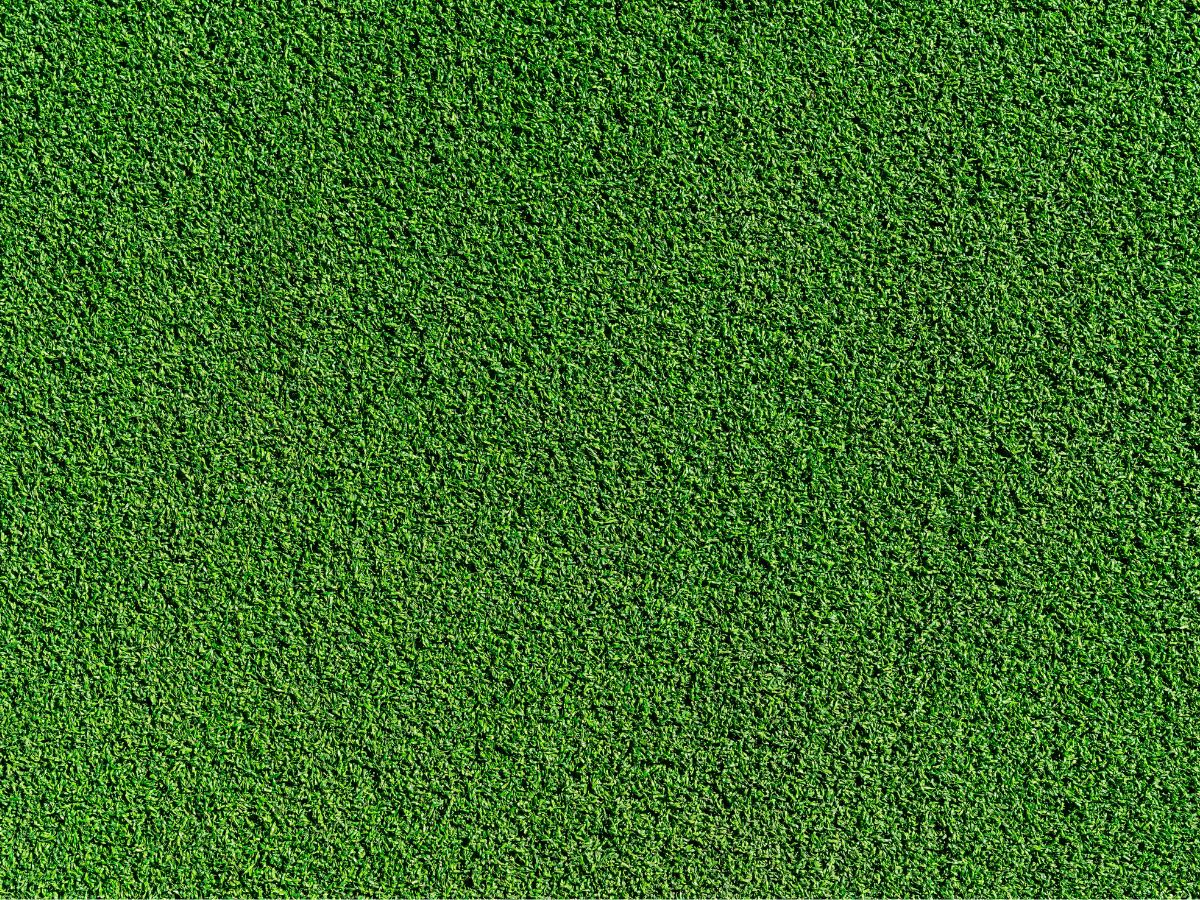
The pressure on sports facilities
Managing a sports ground in Australia involves a set of competing pressures. Natural grass requires significant water to maintain quality playing surfaces, particularly during dry winters and hot springs. Ground closures for recovery after heavy use or wet weather reduce the hours the facility can generate revenue or serve community needs. Maintenance costs — mowing, fertilising, watering, aerating, pest management — add up substantially over a season.
Artificial grass addresses each of these pressures directly, which is why its adoption across Australian sports facilities has grown steadily over the past two decades.
Availability is a major operational benefit
Natural grass fields require recovery time after heavy use or wet weather. A waterlogged field may be closed for days. A field used heavily over a competition weekend may need several weeks of recovery before it is suitable for play again.
Sports artificial grass is available for play almost immediately after rain and does not require recovery periods after use. For clubs and councils managing multiple bookings across a week, this translates directly into more available hours — which means more revenue for commercial facilities and more access time for community clubs.
Maintenance cost reductions
The ongoing maintenance requirements for a natural grass sports field are substantial. Mowing is required weekly or more during the growing season. Irrigation systems need to run regularly during dry periods. Fertiliser applications, aeration, overseeding of worn areas, and pest management all require labour, equipment, and materials.
Artificial surfaces have their own maintenance requirements — brushing and grooming, infill top-ups, seam inspections — but the overall cost and time commitment is considerably lower than natural turf maintenance. For councils managing multiple grounds or clubs with limited budgets, these savings can be redirected toward other facility or programme needs.
Performance considerations for sport
The suitability of artificial grass for specific sports has been the subject of considerable research and standards development. For field sports — football, rugby league, rugby union, soccer — Australian governing bodies have certification and performance standards that artificial surfaces must meet to be approved for competition use.
Ball roll and pace
Artificial surfaces generally produce faster and more consistent ball roll than natural grass, which affects game style and player adjustment. This is less of a concern in training environments, where the primary goal is skill development and physical conditioning rather than replicating competition conditions exactly.
Player safety
Properly specified and maintained artificial surfaces meet player safety standards, including testing for shock absorption and traction. The abrasive quality of some artificial turf — relevant for sliding tackles and falls — has been a historical concern that modern fibre and infill technology has largely addressed.
Where the investment makes sense
Not every sports facility is an ideal candidate for artificial grass. The upfront capital cost is significant and requires justification through usage and savings. Facilities with high booking volumes, multiple sports, or a history of closures due to weather or wear are typically the strongest candidates.
Facilities in regions with limited rainfall or water restrictions, where natural grass maintenance is particularly expensive or difficult, also tend to see the strongest return on investment from making the switch.


 wejaye 8275