John Muller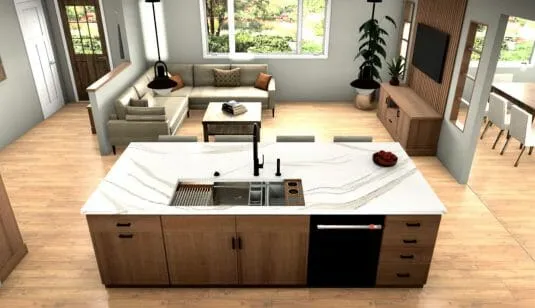
A well-designed kitchen floor plan can completely change how a home feels and functions. From improving movement between work zones to creating better storage opportunities, the layout plays a major role in daily comfort. Homeowners planning renovations often focus on finishes and colors first, but the actual floor arrangement matters even more. Features like islands, pantry placement, and even face frame cabinets should work together to support cooking, cleaning, and social interaction without making the room feel crowded.
Why Layout Matters More Than Decoration
A kitchen may look beautiful in photos, but if the spacing feels awkward or storage is difficult to access, the design quickly becomes frustrating. A practical layout improves efficiency and reduces unnecessary movement while preparing meals.
The best layouts are usually built around three essential zones:
- Cooking area
- Cleaning area
- Food storage area
When these sections are positioned thoughtfully, the kitchen becomes easier to use for both small tasks and large gatherings.
Choosing the Right Layout Style
Different homes require different configurations. The available square footage, number of users, and lifestyle habits all influence which layout works best.
Single-Wall Arrangement
This design places all appliances and storage along one wall. It is commonly used in apartments or compact homes where space is limited. Open shelving and vertical storage help maximize functionality without making the area feel tight.
Galley Configuration
A galley kitchen uses two parallel counters with a walkway in between. This layout creates an efficient workflow because everything stays within easy reach. It works especially well in narrow spaces and often provides generous cabinet storage.
L-Shaped Design
An L-shaped layout creates an open feel while maintaining clear work zones. It allows flexibility for adding dining space or a small island. This arrangement is popular in family homes because it supports both cooking and conversation.
U-Shaped Layout
This option surrounds the cook with counters and storage on three sides. It provides excellent workspace and keeps tools nearby. Larger households often prefer this design because multiple people can work in the kitchen comfortably.
Space Planning Tips That Improve Functionality
Even a large kitchen can feel inefficient without proper spacing. Good planning ensures comfort and safety while moving around the room.
Keep Walkways Clear
Walkways should remain wide enough for smooth traffic flow, especially near appliances. Tight pathways create congestion and make the kitchen harder to use during busy times.
Prioritize Storage Access
Cabinets and drawers should open fully without blocking major pathways. Corner storage systems and pull-out shelves help eliminate wasted space while improving organization.
Balance Open and Closed Storage
Open shelves provide easy access and visual appeal, but too many exposed items can make the room look cluttered. A balanced combination creates a cleaner appearance while keeping essentials nearby.
The Role of Lighting in Kitchen Planning
Lighting affects both functionality and atmosphere. A layered lighting approach creates a more comfortable environment throughout the day.
Task Lighting
Under-cabinet lights improve visibility for food preparation and cooking. Focused lighting also reduces shadows on countertops.
Ambient Lighting
Ceiling fixtures provide overall brightness and help the room feel welcoming. Recessed lights are often used for even illumination across larger kitchens.
Accent Lighting
Decorative lighting highlights architectural details or display areas. Small touches like pendant lights above islands can add personality without overwhelming the design.
Materials and Finishes That Support Daily Use
A kitchen should be durable enough for constant activity while remaining easy to maintain.
Quartz countertops are popular because they resist stains and scratches. Matte finishes on cabinets reduce visible fingerprints and create a softer appearance. Flooring materials such as tile or luxury vinyl offer durability while handling moisture effectively.
Hardware choices also matter. Comfortable handles and smooth drawer systems improve usability over time and make storage easier to access.
Creating a Layout That Fits Your Lifestyle
Every household uses the kitchen differently. Some people need larger prep areas for cooking daily meals, while others prioritize seating for entertaining guests. The most effective layouts are designed around real habits rather than trends.
Before making design decisions, consider how the space is used from morning to night. Think about storage needs, appliance placement, and how family members move through the room. A thoughtful plan creates a kitchen that feels natural, organized, and comfortable for years to come.


 Personal Ai
 Vunelix 123tech