Swati Lalwani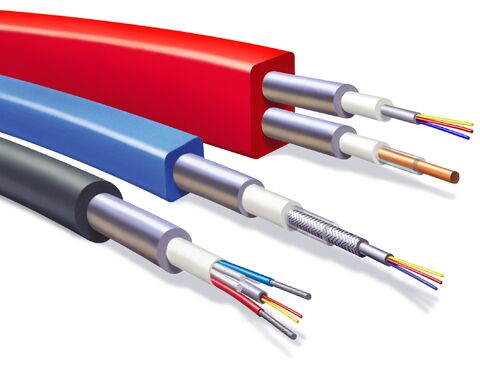
Current oil and gas operations depend on downhole monitoring systems for their essential functions. Safe operations that achieve high efficiency and low costs depend on precise data that monitor both pressure and temperature and establish well integrity. The process of obtaining trustworthy data from deep well sites continues to face challenges from extreme environmental conditions and mechanical equipment damage and the difficulties of running operations.
Tubing Encapsulated Cable (TEC), as per Cable Manufacturers, provides the solution to this problem. The system provides operators with a new method for monitoring downhole conditions, which delivers both durable and reliable long-term performance. The following explanation shows how TEC cables increase downhole monitoring efficiency through their practical applications.
What is Tubing Encapsulated Cable (TEC)?
Tubing Encapsulated Cable consists of an electrical cable that engineers protect inside a metal tube that typically uses stainless steel or other alloys that resist corrosion. The design protects the cable against extreme downhole environments, which include high pressure and temperature and corrosive fluid elements.
Permanent downhole systems require TEC because it transmits signals consistently while withstanding extreme environmental conditions that ordinary cables cannot endure.
How TEC Plays a Major Role in Increasing Downhole Monitoring Efficiency
1. Much Stronger Protective Layer to Withstand Harsh Conditions
The downhole locations are very tough with things like high temperature, pressure changes and chemical attacks. TEC wraps the cable with a robust protective layer, keeping all these elements at bay. Hence, the monitoring systems stay up and running without any interruptions, providing a regular data stream.
2. Longer Cable Life
Many of the cables in a downhole environment lose their integrity very fast, resulting in frequent quoting. TEC has become a game changer because it not only protects the cable but also is capable of shielding it from daily degradation. This leads to lowered operational costs and lesser downtime due to replacements.
3. Consistent Data
Without the right information, making decisions in oil and gas operations can be risky. TEC makes sure that the radio signal is constant and uninterrupted even if the surroundings are very hostile. Therefore, engineers can rely on this data to take the right actions.
4. Resistance to Mechanical Damage
There are several ways the cable can get damaged during the installation or operation phases, such as bending, crushing, and abrasion. TEC’s metal wrapping prevents such physical injuries to the cable, ensuring it stays usable and effective for some time.
5. Raise the Bar for Safety Standards
Downhole operations’ safety should not be compromised at any cost. The transmission of incorrect data or failure of systems due to malfunctioning cables may be a source of danger. TEC maintains a steady performance, hence playing its part in safer operations.
6. Monitoring Systems at Its Best
BEC is working well with nearly all downhole sensors and monitoring equipment. It also facilitates the use of current systems, giving the chance to operators to improve their monitoring skills without major changes.
7. Quick and Easy Installation
TEC is quite strong even though it has been designed in a way that installation does not become a problem. It can either be pulled along with the tubing or fastened to the production strings so that its deployment is efficient. Quicker installation leads to less downtime and operations coming on line sooner.
8. Reduced Operational Downtime
Monitoring system failures can lead to the stoppage of operations and very costly downtime. TEC takes such risks to a minimum and provides continuous monitoring with high reliability and robustness.
9. Resistance to Corrosion
Corrosion of the cable is one of the biggest challenges faced in downhole scenarios. TEC employs corrosion-resistant materials that shield the cable from chemical exposure, maintaining the cable’s capability even in highly corrosive wells.
10. High Temperature Tolerance
Downhole temperatures can be very high. TEC features are such that it can work in high temperatures and still maintain its capabilities. This is also one of the reasons why it fits well in the deep wells and difficult environments where other cables cannot operate.
Why TEC is Becoming Essential in Modern Oil & Gas Operations
The advancement of the oil and gas industry is accompanied by the increasing need for very high-tech systems for monitoring. At the same time, wells are getting deeper and more complicated, which makes traditional monitoring methods less reliable.
TEC Cables offers a strong and resistant solution that combats the shortcomings and supports the deployment of modern monitoring technologies. With its unbeaten capability to endure harsh environments and at the same time offer accurate data, it becomes a favourite among the oil and gas operators.
Practical Benefits for Operators
Operators receive practical advantages from TEC which provides multiple benefits:
- TEC provides multiple operational advantages that deliver actual benefits to its users.
- The system requires less maintenance work, which results in decreased expenses.
- Decision-making processes receive enhancement through dependable data.
- The system boosts both well performance and work efficiency.
- The system protects organizations from operational disruptions that result from equipment breakdowns.
The benefits of this system work together to create more productive and profitable enterprise operations.
Final Thoughts: A Smarter Approach to Downhole Monitoring
Tubing Encapsulated Cable has become a game-changer in the field of downhole monitoring. The system solves multiple traditional monitoring system problems by delivering durable reliable and efficient performance. The system provides essential support for contemporary oil and gas operations because it delivers precise real-time data while enduring extreme environmental conditions.
In today’s competitive and technology-driven environment, organizations require a reliable monitoring system as an essential requirement. The system enhances monitoring operations while creating safer and more intelligent and economical business activities.
The industry needs technicians to develop operational techniques that establish future standards for downhole monitoring systems, which will include TEC as a vital component of their work.
Also Read: High Voltage Cable vs Low Voltage Cable: Key Differences Explained


 Carlton Travis
 florence henry