Kaivalyam Yoga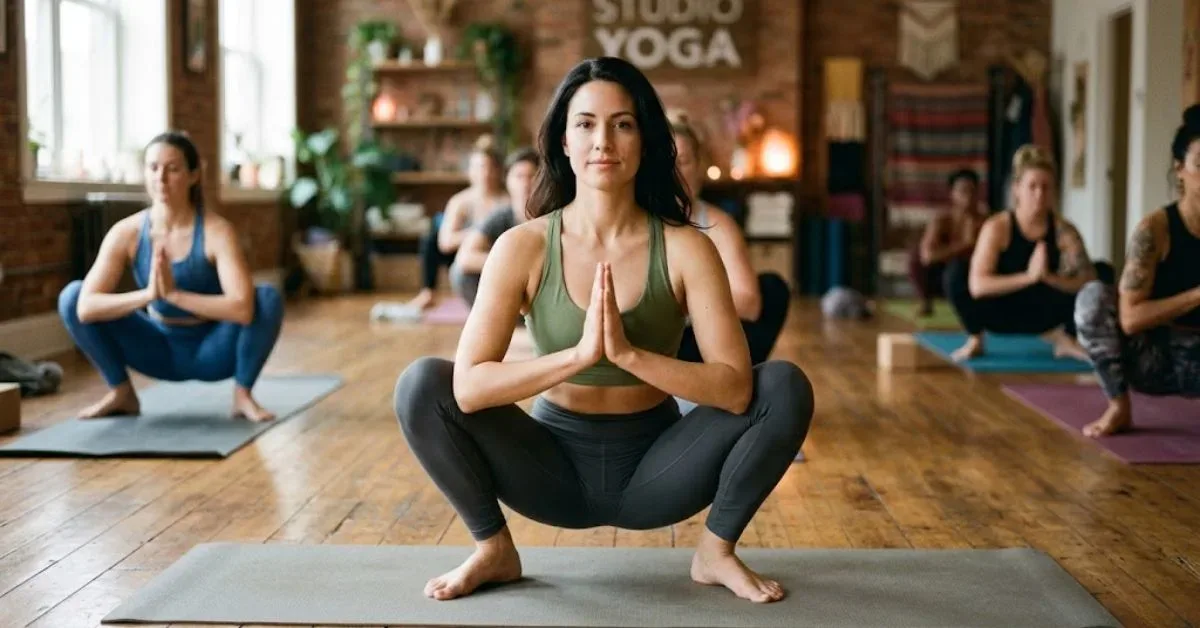
Malasana, commonly known as Garland Pose or yogic squat, is one of the most effective grounding postures in yoga. This deep squat position has been practiced for centuries because of its incredible impact on physical flexibility, balance, digestion, and mental relaxation. The benefits of malasana extend far beyond stretching the legs; it is a complete body posture that supports mobility, posture, and overall wellness.
In modern lifestyles, people spend long hours sitting on chairs, working at desks, and using digital devices. This sedentary routine often leads to stiff hips, poor posture, weak lower body muscles, and reduced flexibility. Practicing Malasana regularly can help reverse many of these issues naturally.
Whether you are a beginner or an advanced yoga practitioner, understanding the benefits of malasana can motivate you to include this pose in your daily yoga practice. In this detailed guide, we will explore everything about Malasana, including its physical, mental, and therapeutic advantages.
What Is Malasana?
Malasana is a Sanskrit word where “Mala” means garland and “Asana” means posture. The pose resembles the shape of a garland hanging gracefully, which is why it is called Garland Pose.
In this posture, the practitioner lowers into a deep squat with feet grounded on the floor while keeping the chest lifted and palms joined together. The pose deeply stretches the hips, groin, ankles, knees, and lower back while strengthening the legs and core muscles.
Yoga teachers often recommend Malasana because it is both a strengthening and restorative pose. The benefits of malasana make it valuable for improving movement patterns and supporting overall health.
Top Benefits of Malasana
1. Improves Hip Flexibility
One of the most well-known benefits of malasana is improved hip mobility. Tight hips are common due to prolonged sitting and lack of movement. Malasana deeply opens the hip joints and groin muscles, helping improve flexibility over time.
Flexible hips support better posture, reduce stiffness, and make everyday movements easier.
2. Strengthens the Lower Body
Malasana activates multiple lower body muscles, including:
- Quadriceps
- Hamstrings
- Calves
- Glutes
- Inner thighs
Holding the pose builds strength and endurance in these muscle groups. This makes the body more stable and balanced during movement.
3. Enhances Digestion Naturally
Another important aspect of the benefits of malasana is its positive effect on digestion. The squatting posture gently compresses the abdominal area, stimulating digestive organs and promoting healthy bowel movements.
Many people practice Malasana to reduce bloating, constipation, and sluggish digestion.
4. Improves Posture and Spinal Alignment
Modern lifestyles often contribute to poor posture and lower back discomfort. Malasana encourages spinal elongation by keeping the chest lifted and spine upright.
Regular practice can help improve posture, strengthen the lower back, and reduce tension caused by sitting for long periods.
5. Increases Ankle Mobility
Flexible ankles are essential for healthy movement and balance. Malasana stretches and strengthens the ankles, improving mobility and reducing stiffness.
This is especially beneficial for people who participate in sports, fitness training, or yoga practices requiring strong ankle stability.
6. Supports Pelvic Health
The deep squat position activates and stretches the pelvic floor muscles. One of the significant benefits of malasana is improved pelvic awareness and circulation in the pelvic region.
This can be especially helpful for women and individuals seeking better lower body mobility and support.
7. Relieves Stress and Anxiety
Yoga is not only about physical movement but also mental relaxation. Malasana encourages deep breathing and mindfulness, helping calm the nervous system.
Practicing this pose regularly may reduce stress, mental fatigue, and anxiety while promoting inner stability.
8. Improves Balance and Stability
Balancing in a deep squat requires coordination between the core, legs, and spine. Over time, practicing Malasana improves body awareness and stability.
This enhanced balance can support daily activities and athletic performance.
9. Stretches the Lower Back
The lower back often becomes tight due to prolonged sitting or improper posture. Malasana gently stretches the lumbar spine and surrounding muscles.
One of the lesser-known benefits of malasana is relief from mild lower back tension and stiffness.
10. Encourages Natural Movement Patterns
Humans naturally used squatting positions for resting and daily activities in many traditional cultures. Malasana helps reconnect the body with this natural movement pattern.
This can improve mobility, flexibility, and functional movement in everyday life.
How to Practice Malasana Correctly
Understanding the correct alignment is essential to fully experience the benefits of malasana.
Step-by-Step Instructions
Step 1: Stand Tall
Begin in a standing position with feet slightly wider than hip-width apart.
Step 2: Turn Toes Slightly Outward
Angle the toes outward comfortably to create space for the hips.
Step 3: Lower into a Deep Squat
Slowly bend the knees and lower the hips toward the floor.
Step 4: Bring Hands into Prayer Position
Join the palms together at the chest.
Step 5: Press Elbows Against Knees
Use the elbows to gently open the knees wider.
Step 6: Lift the Chest
Keep the spine long and chest lifted instead of rounding forward.
Step 7: Breathe Deeply
Take slow and steady breaths while holding the pose for 30 seconds to one minute.
Common Mistakes to Avoid
To safely enjoy the benefits of malasana, avoid these common mistakes.
Lifting the Heels
Keep the heels grounded whenever possible. Use support under the heels if necessary.
Rounding the Spine
Maintain an upright chest and straight spine.
Holding the Breath
Deep breathing is essential for relaxation and proper alignment.
Forcing the Pose
Never push the body beyond its flexibility level.
Modifications for Beginners
Many beginners find Malasana challenging initially. Fortunately, simple modifications can make the posture more accessible.
Use a Yoga Block
Place a yoga block or cushion under the hips for support.
Support the Heels
Use a folded blanket beneath the heels if ankle mobility is limited.
Practice Near a Wall
Holding a wall can improve balance and confidence.
These modifications allow beginners to gradually experience the benefits of malasana without strain.
Advanced Variations of Malasana
Once comfortable with the basic pose, practitioners can explore advanced variations.
Twisting Malasana
This variation includes a spinal twist that enhances spinal mobility and digestion.
Bound Garland Pose
The arms wrap around the legs while clasping behind the back, increasing shoulder and hip flexibility.
Malasana with Forward Fold
Combining Malasana with a forward fold deepens stretches in the spine and hamstrings.
Who Should Avoid Malasana?
Although the pose is beneficial, some people should practice cautiously.
Individuals with Knee Injuries
Deep squatting may strain injured knees.
Severe Hip Problems
Those with hip conditions should seek professional guidance.
Ankle Injuries
Limited ankle mobility or injuries may require modifications.
Pregnancy
Pregnant women should practice under supervision from a qualified prenatal yoga instructor.
Tips to Maximize the Benefits of Malasana
To gain the full benefits of malasana, follow these practical tips.
Practice Consistently
Regular practice improves flexibility and strength over time.
Warm Up Before Practice
Gentle stretches prepare the hips, knees, and ankles.
Focus on Breath Awareness
Mindful breathing deepens relaxation and body awareness.
Stay Patient
Mobility improves gradually, so avoid rushing progress.
Malasana in Modern Wellness
Today, many fitness experts, physiotherapists, and yoga instructors recommend Malasana because of its functional movement benefits. It supports mobility, posture, and joint health in ways that complement modern fitness routines.
Athletes often use deep squats like Malasana to improve flexibility and prevent stiffness. Office workers also benefit from the posture because it counteracts prolonged sitting.
The growing popularity of yoga has highlighted the importance of natural movement patterns, making the benefits of malasana more relevant than ever.
Mental and Emotional Benefits of Malasana
Malasana is also considered a grounding pose in yoga philosophy. Grounding postures help create stability and emotional balance.
Practicing Malasana mindfully may help:
- Improve concentration
- Calm the nervous system
- Reduce mental tension
- Increase mindfulness
- Promote emotional stability
These mental effects make Malasana a holistic yoga posture benefiting both body and mind.
Final Thoughts
The benefits of malasana make it one of the most valuable yoga postures for flexibility, mobility, digestion, posture, and relaxation. This simple yet powerful deep squat stretches the hips, strengthens the legs, improves spinal alignment, and promotes mental calmness.
Although beginners may initially find the posture challenging, regular practice and proper modifications can gradually improve comfort and confidence. Malasana is suitable for people seeking better mobility, stress relief, and overall physical wellness.
By incorporating this grounding yoga pose into your daily routine, you can support long-term health, flexibility, and balance naturally. Practice mindfully, focus on alignment, and enjoy the transformative benefits that Malasana offers for both the body and mind.


 Laser treatment