enfield abudhabi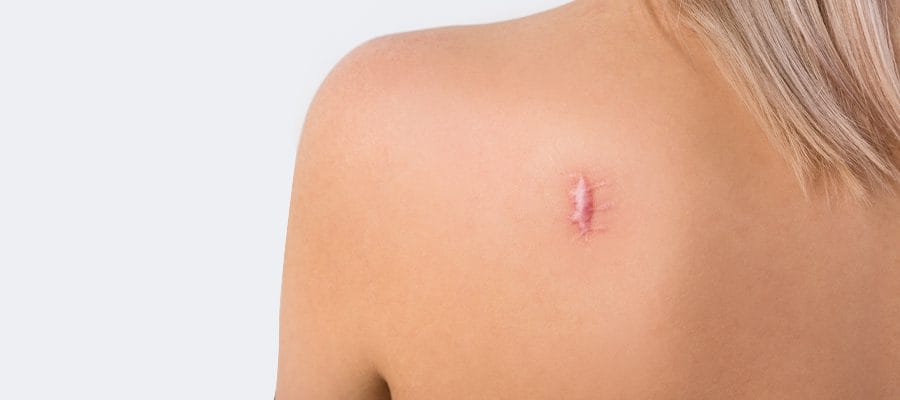
Keloids can be more than just a physical mark; they often impact one’s confidence and physical comfort. When considering a Keloid Treatment in Abu Dhabi, many individuals wonder if modern medical advancements have finally made these stubborn scars manageable. The answer lies in the shift from simple removal to complex, multi-modal management strategies that address the biological roots of scar formation.
Summary of Modern Approaches
-
Biological Targeting: New treatments focus on inhibiting the pathways that cause collagen overgrowth.
-
Combination Success: The highest success rates now come from using two or more methods simultaneously.
-
Personalized Care: Treatment is now tailored to the scar’s age, location, and the individual’s skin type.
-
Longevity: Modern protocols prioritize reducing the high recurrence rates historically associated with keloids.
Understanding the Nature of Keloids
Before diving into whether treatment is worth it, it is essential to understand what a keloid actually is. Unlike standard scars that stay within the boundaries of the original wound, keloids are aggressive. They are the result of an overzealous healing response where the body continues to produce collagen long after the wound has closed.
The Science of Overgrowth
-
Fibroblast Activity: In keloid-prone skin, cells called fibroblasts remain active for far longer than necessary.
-
Collagen Density: The resulting scar tissue is characterized by thick, disorganized bundles of collagen.
-
Symptomatic Nature: Beyond appearance, keloids often cause itching, tenderness, or even restricted movement.
-
Genetic Predisposition: Certain skin types are biologically more likely to develop these growths following minor trauma.
Innovative Non-Surgical Options
Today’s dermatological landscape offers several non-invasive routes that have revolutionized how we handle raised scarring. These methods are often preferred for smaller or newer scars, as they require no downtime and work gradually to soften the tissue.
Advanced Injectable Therapies
-
Corticosteroids: These remain a cornerstone, working to break down collagen bonds and reduce inflammation.
-
Anti-Metabolites: Newer injectable agents help slow down the rapid cell division that fuels keloid growth.
-
Texture Improvement: Injections often lead to a significant softening of the scar, making it flush with the surrounding skin.
-
Symptom Relief: Most patients report a rapid decrease in the “tightness” and itching associated with the scar.
Cryotherapy and Thermal Regulation
-
Precision Freezing: Modern cryotherapy uses liquid nitrogen to freeze the scar from the inside out, causing the excess tissue to slough off.
-
Intralesional Techniques: New “internal” freezing methods protect the surface skin while targeting the deep core of the keloid.
-
Cellular Death: By inducing controlled cellular necrosis, the volume of the keloid is reduced without traditional cutting.
-
Skin Tone Preservation: Advanced techniques are now better at minimizing changes in skin pigmentation during the freezing process.
Laser Technology and Skin Resurfacing
The use of lasers has become a game-changer in scar management. Rather than just removing the tissue, lasers target the blood vessels that “feed” the keloid, essentially starving the scar of the nutrients it needs to grow.
How Laser Therapy Works
-
Vascular Targeting: Specific wavelengths target the redness in the scar, reducing blood flow to the fibrotic tissue.
-
Fractional Resurfacing: This creates microscopic channels in the scar to encourage the growth of healthy, organized collagen.
-
Color Correction: Lasers are highly effective at fading the dark purple or red hues often associated with keloids.
-
Synergy with Topicals: Laser treatments can “prime” the skin, allowing therapeutic creams to penetrate deeper into the scar tissue.
Surgical Intervention and Adjuvant Care
While surgery was once avoided due to high regrowth rates, it is now a viable option when paired with “adjuvant” or secondary treatments. This “surgery-plus” approach is often the gold standard for very large or restrictive keloids.
The Combined Protocol
-
Strategic Excision: Surgeons remove the bulk of the scar while ensuring the new wound is closed with minimal tension.
-
Post-Surgical Radiation: Low-dose superficial radiation can be applied immediately after surgery to “turn off” the scar-forming cells.
-
Pressure Therapy: Using specialized garments or earrings post-surgery helps prevent the return of the growth by limiting blood flow.
-
Long-term Monitoring: Success in surgery is defined by the follow-up care that prevents the biological “rebound” of the scar.
Is Treatment Worth It? Evaluating the Benefits
Deciding to pursue treatment is a personal choice, but for many, the benefits extend far beyond aesthetics. Modern medicine has turned keloid management from a “wait and see” approach into a proactive medical discipline.
Improved Quality of Life
-
Physical Comfort: Eliminating the constant itch and occasional pain of a keloid can significantly improve daily life.
-
Enhanced Mobility: For keloids located over joints, treatment can restore a full range of motion.
-
Psychological Well-being: Reducing a visible scar often leads to increased confidence and social comfort.
-
Prevention: Treating a small keloid early can prevent it from becoming a much larger, more difficult-to-manage problem later.
Realistic Expectations
-
Gradual Progress: Most non-surgical treatments require multiple sessions over several months.
-
Management vs. Cure: While many scars can be flattened and faded significantly, the goal is often “management” rather than total disappearance.
-
Persistence: The best results are seen in patients who stick to their recommended aftercare and follow-up schedules.
-
Individual Response: Every person’s skin heals differently, making the “personalized plan” the most important factor in success.
Post-Treatment Care and Maintenance
The journey doesn’t end when the treatment session is over. Maintenance is the key to ensuring that the keloid remains flat and inactive over the long term.
Strategies for Long-term Success
-
Silicone Sheeting: Wearing medical-grade silicone gel or sheets helps keep the area hydrated and under slight pressure.
-
Sun Protection: Keeping the treated area out of the sun prevents the scar from darkening permanently.
-
Avoiding Trauma: Protecting the site from further injury is crucial, as even minor irritation can re-trigger growth.
-
Regular Check-ups: Brief follow-up visits allow a specialist to catch any signs of recurrence early when they are easiest to treat.
Frequently Asked Questions
Can keloids be treated at any age?
Yes, treatments are available for both children and adults. However, the specific approach—such as the use of certain medications or radiation—will be adjusted based on the patient’s age and overall health.
How long does it take to see results from non-surgical methods?
Most patients begin to notice a softening of the scar and a reduction in itching after the first two sessions. Significant flattening usually becomes visible after three to six months of consistent treatment.
Why do some keloids come back after treatment?
Keloids have a “genetic memory.” If the underlying biological triggers are not addressed—which is why combination therapy is so important—the body may attempt to regrow the scar tissue.
Are there ways to prevent keloids from forming in the first place?
If you are prone to keloids, it is best to avoid elective piercings or tattoos. For necessary surgeries, informing your surgeon allows them to use preventative measures like silicone dressings or early-intervention injections immediately after the procedure.
Conclusion: A New Era of Confidence
The field of scar management has evolved significantly. While keloids remain a complex challenge, the combination of laser technology, advanced injectables, and refined surgical techniques means that no one has to simply “live with” a restrictive or uncomfortable scar. By shifting the focus toward biological management and personalized care, modern treatments offer a reliable path to smoother, more comfortable skin.

 Enfield Abu Dhabi
 Dynamic Life Clinics Dubai