landscape geotexttile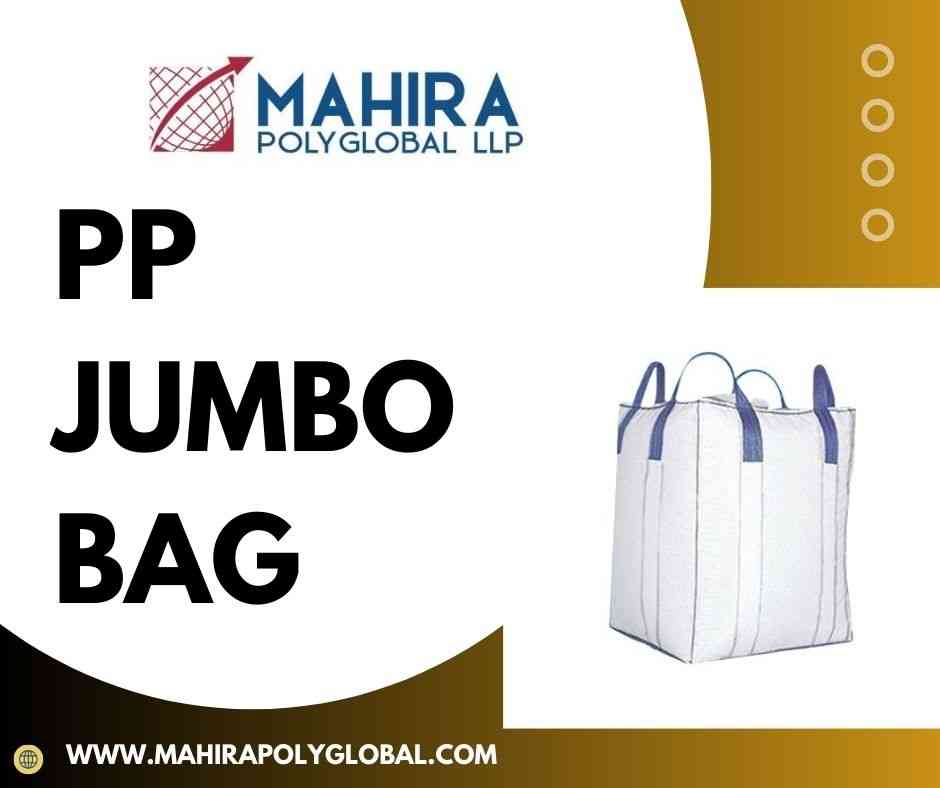
The PP Jumbo Bags, otherwise known as FIBCs or big bags, are strong and durable polypropylene sacks specially manufactured for carrying large amounts of flowable and solid cargo such as grains, sand, fertilizers, chemicals, and powders. They have a very simple structure with a body shaped like a square or rectangle, handles located at the corners, sometimes even with a mouth at the bottom or the top, and may also contain inner liners for protecting from moisture or contamination. However, despite their simplicity, they are technical goods which offer several different options for usage, including enhanced safety features and the reduction of cost, time, and manual work associated with them. Seeing a forklift load a single bag instead of dozens of others is quite impressive.
Construction and major characteristics
PP jumbo bags are made of woven PP fabric, normally created by weaving UV stabilised PP tapes into panels and then sewing these panels together. The construction is characterised by a number of unique elements, such as lifting loops (single, four, or corner cross), panel construction (U-panel, round, four-panel), top and bottom openings (open top, spout top, duffle top; flat bottom, spout bottom). Additional protective liners or coatings for creating barrier properties are often included into design. Baffles can be used to ensure that the product remains cuboidal shape during transport and stacking. Some types of bags can be part of a bulk returnable system. In addition, safety features like certified SWL, carefully sewn seams, anti-static and conducting properties can be added to designs to meet safety regulations. Short and useful: design characteristics fit the process of filling, lifting, discharging, and reuse.
PP Jumbo Bag variants
There are PP Jumbo Bags for all kinds of applications. Non-food lightweight bags cater to the construction and fertilizer industries, while food bags are produced using only pure PP and approved liners. There are bags that prevent static electricity in order to minimize the fire hazard caused by flammable substances. For fragile goods there are bags coated and laminated in order to ensure protection from humidity and possible contaminants. One can find bags that are meant for single-trip usage only and those that are intended to be used repeatedly; the latter require reinforcement with loops and more durable materials. To avoid dusting in the course of unloading and loading operations, consider spout-top and bottom-spout-discharge designs.
Handling and logistical practicalities
Think about the following scenario – while the warehouse used to work with twenty 50 kg sacks, now only one correctly packed 1,000 kg pp jumbo bag is utilized. This example reveals how a change in packaging materials leads to differences in time, workforce, and expenditure. The employment of large bags allows reducing efforts related to manual handling, minimizes the generation of waste and expedites both the process of palletizing and stuffing a truck. Due to cubic filling, such bags help economize on transportation costs per ton. Besides, the installation of filling and discharge systems helps minimize the formation of dust and expedites all operations at the facility. There is always a flip side of the coin: handling with forklifts or cranes and a filling/discharge station are required for the utilization of the pp jumbo bag.
Protection, quality of product and contamination management
If used properly, pp jumbo bags provide excellent protection for the packed bulk materials. With liners, these bags have an excellent moisture barrier for use with foods, chemicals and moisture sensitive powders. Liners and coatings provide extra protection for sensitive goods in case of long distance transport or tropical storage conditions. In cases where products need to be kept from dust and contamination, spouts make it possible to load and unload the goods in a controlled manner without compromising the purity of the goods. Interestingly, while the woven bag may appear permeable, in combination with the appropriate liners and coatings, it turns out to be a great protection package.
Safety, specifications, and regulation
Safety counts. Palletized big bags have been designed with maximum safe working loads and factors of safety; certified PP Jumbo manufactured in line with worldwide standards of lifting and transportation. Some applications require anti-static FIBC for handling explosive powder materials or certified food liners for the food/pharmaceutical industry. However, handling errors are the biggest danger to be avoided: incorrect fork spacing, improper loop integrity or handling the bag by a single loop may result in damaging the bag or injuring the handlers. Therefore, proper training and certified product purchase are key elements. The buyers should demand test certificates and recommended SWL and safe handling instructions. In short, a properly specified pp jumbo bag is a safe tool, but an improperly chosen or handled one is not.
Environment and Cost Issues
In terms of cost, one pp jumbo bag is more expensive than one smaller sack, but the dynamics change fast when quantity increases. Bigger bags use less packaging per tonne of cargo, incur lower labor costs, have faster handling processes, and usually fewer transport cycles due to increased cubic efficiency – all this works in favor of bigger bags in moderate to high-volume operations. From an environment perspective, re-usability and recyclability are two features that support pp jumbo bags. They can be reused multiple times provided they are handled properly and cleaned before re-use, and at the end of their lifetime they are recyclable in all regions where PP is recyclable. However, if bags become disposable and are simply thrown away, then the environmental impact changes.
Industrial applications and common use cases
PP big bags can be found all around if one looks for them: agricultural (cereals, beans, seeds), chemical (powdered products, granulated products), construction (sand, additives for cement), mining ore, food components, and even pharmaceutical intermediates when lined using appropriate standards. Export companies and bulk transporters enjoy the fact that they can easily stack one bag per pallet and are very easy to seal if they need to fill up a shipping container. On-farm storage and cooperative delivery will see a decrease in labor costs and improved material conservation. These bags can also be used for the handling of waste materials in industry or serve as a temporary solution for containing materials. Sometimes these bags are also used in odd ways (e.g., emergency water storage).
Common errors and useful suggestions
Large bags will not disappoint you if you plan your operation properly. Common errors are:
1. purchasing general-purpose bags without paying attention to the loop strength and spout design,
2. reusing one-way bags past their safety limit,
3. improper storage that leads to ultraviolet destruction of the bag material, and
4. insufficient training on lifting and unloading procedures.
Tips for success include matching bags with products and processes, keeping track of loop integrity with checklists, storing bags in dry places away from sunlight, using proper filling stations, training people on handling bags, and developing a plan for reuse when needed.
Conclusion
PP jumbo bags are no simple bags; rather, they are bulk packaging systems that, when applied in the right way, can bring efficiencies, protection of product integrity, and reduction in overall handling and transport costs. Indeed, their value becomes more apparent in mechanized operations where cube efficiency, throughput, and dust management are important factors. The bags’ versatility arises from customization options such as liners, spouts, static protection, baffles, and custom closures among others that enable the bags to be utilized in various industries. However, this does not mean that jumbo bags will always be the best option since other forms of packaging may be superior in certain scenarios. The recommended way to go is to assess total life cycle costs and preparation of operations and then develop a pilot scheme.
FAQs
Q1. Can pp jumbo bags be reused?
Yes – most can be reused depending on handling and cleaning conditions, with durability depending on the type of bag, loop design, fabric quality, and handling methods during use.
Q2. Can pp jumbo bags be used for food products?
Of course, but make sure you select food-grade bags with liners that have certifications, and also adhere to the right handling methods.
Q3. What equipment do I require for these bags?
You will need forklift trucks with proper tine spacing, spreader beams if using cranes, and appropriate filling and discharging stations, among other things.
Q4. Do pp jumbo bags offer water resistance?
The woven fabric itself is porous, but adding liners, coating with PVC/PE, or layering can make these bags very resistant to moisture.
Market dominance depends on regional location and specialization. There are several established manufacturers/converters that are producing a high quantity worldwide; however, the key consideration while choosing any company is certification, production volume, quality control, and post-sale services. Mahira Polyglobal LLP can be considered as one of the suppliers of pp jumbo bags and must be considered among others for evaluation purposes.


 Chandani Mulkalwar
 john ryan