enfield abudhabi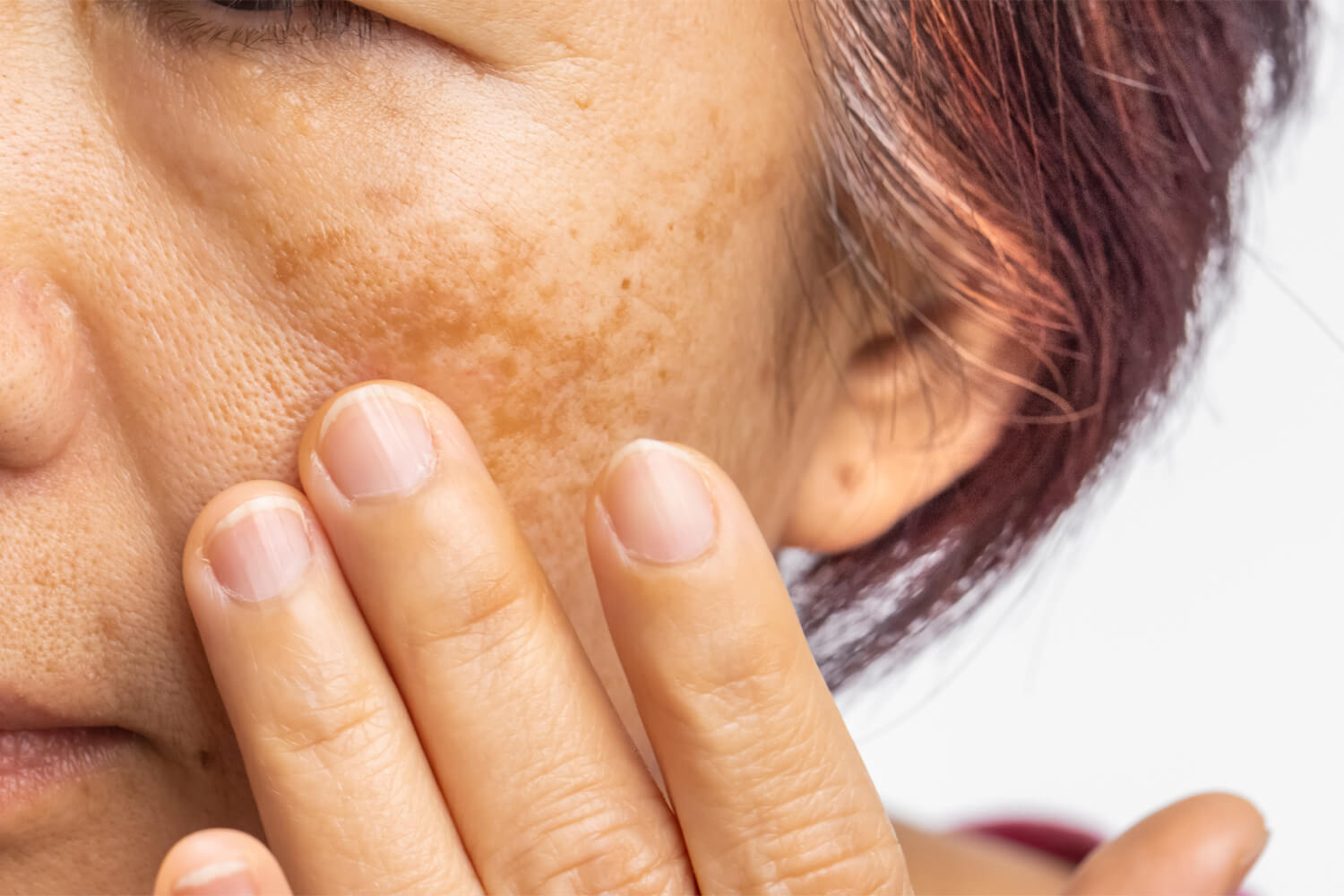
Melasma is a common skin condition characterized by symmetrical brown or grayish-brown patches, typically appearing on the face. While it is notoriously stubborn due to its hormonal and environmental triggers, modern dermatological advancements have transformed how we manage these pigmentary concerns. Effective Melasma Treatment in Abu Dhabi leverages a combination of cutting-edge technology and topical science to target melanin production at its source, providing a clearer and more even complexion for those living in sunny climates.
-
Understanding the Condition: Melasma is more than just surface pigmentation; it is a complex response of melanocytes to various internal and external triggers.
-
The Efficacy of Modern Care: Professional treatments are designed to suppress overactive pigment cells rather than just bleaching the skin’s surface.
-
The Regional Context: Environmental factors play a massive role in how pigmentation develops and how it must be managed.
-
Objective of the Guide: This blog explores the mechanisms that make modern melasma interventions successful and how they promote long-term skin health.
The Biological Mechanism of Melasma
To understand why treatment works, one must first understand what it is fighting. Melasma occurs when melanocytes—the cells responsible for skin color—produce too much pigment. Unlike standard sunspots, melasma is often driven by a combination of UV exposure and hormonal fluctuations, making it a “living” condition that requires ongoing management.
The Role of Melanocytes
Melanocytes are located in the basal layer of the epidermis. In melasma-prone skin, these cells are hypersensitive. When they encounter a trigger, they enter an overactive state, depositing excess melanin into the surrounding skin cells (keratinocytes).
Epidermal vs. Dermal Pigmentation
Effectiveness depends on identifying the depth of the pigment. Epidermal melasma sits near the surface and responds quickly to topical interventions. Dermal melasma is deeper and requires technologies that can reach the lower layers of the skin without causing surface trauma.
The Influence of Vascularity
Recent research suggests that melasma isn’t just about pigment; it also involves the underlying blood vessels. Effective treatments now often address the vascular component, reducing the “redness” that often feeds the “brownness” of the patches.
Why Professional Interventions Excel
While over-the-counter brightening creams exist, professional treatments are significantly more effective because they utilize medical-grade concentrations and advanced delivery systems. These methods ensure that active ingredients actually reach the layers where melanin is produced.
High-Potency Topical Agents
Professional-grade topicals often involve “gold standard” ingredients like hydroquinone, kojic acid, and azelaic acid. These work by inhibiting tyrosinase, the enzyme essential for melanin production. By “turning off” this enzyme, the skin stops producing new dark spots while the old ones naturally shed away.
Advanced Chemical Exfoliation
Medical-grade chemical peels use specific acids (such as trichloroacetic acid or mandelic acid) to dissolve the cellular “glue” holding pigmented cells together. This process accelerates cell turnover, forcing the skin to replace dark patches with fresh, evenly pigmented tissue.
Energy-Based Therapy
Modern energy devices use specific wavelengths to target melanin without heating the surrounding skin. This “photo-acoustic” effect breaks the pigment into tiny particles that the body’s lymphatic system can naturally clear away.
The Power of Combination Therapy
One of the biggest reasons melasma treatment has become so effective is the shift toward “combination therapy.” Dermatologists no longer rely on a single method; instead, they attack the pigment from multiple angles simultaneously.
Suppressing and Removing
The most successful protocols involve a “suppress and remove” strategy. Topical inhibitors suppress the creation of new pigment, while physical treatments (like peels or light therapy) remove the pigment that is already visible on the surface.
Strengthening the Skin Barrier
A compromised skin barrier makes melasma worse by allowing irritants and UV rays to penetrate deeper. Modern treatments often include hydrating and barrier-repairing steps, ensuring the skin is resilient enough to maintain the results of the pigmentation therapy.
Long-Term Maintenance
Effectiveness isn’t just about the initial clearing of the skin; it’s about the “maintenance phase.” Using antioxidants like Vitamin C and Ferulic acid helps neutralize the free radicals that trigger melanocytes, keeping the skin quiet and stable after the intensive treatment phase is over.
The Critical Role of Protection
No melasma treatment can be effective without a rigorous approach to protection. Because the cells are hypersensitive, even a few minutes of unprotected exposure can trigger a “melasma flare.”
Beyond UV Protection
While UVA and UVB rays are the primary culprits, we now know that High Energy Visible (HEV) light—or blue light—and infrared heat also stimulate pigment. Effective treatment plans now incorporate tinted sunscreens containing iron oxides, which provide a physical block against blue light.
Heat Management
Melasma is unique because it is heat-sensitive. This is why aggressive treatments that generate excessive heat can sometimes backfire. The most effective modern methods prioritize “cold” or “fractionated” delivery to keep the skin cool while still addressing the pigment.
Summary of Treatment Efficacy
-
Precision Targeting: Modern methods focus on the tyrosinase enzyme to stop pigment at the source.
-
Depth Control: Professionals can customize treatments based on whether the melasma is epidermal, dermal, or mixed.
-
Synergistic Results: Combining topicals with clinical procedures yields faster and more sustainable results.
-
Protective Integration: Success is anchored in shielding the skin from light and heat triggers.
Frequently Asked Questions
Can melasma be completely cured?
While melasma is a chronic condition, it can be managed so effectively that it becomes nearly invisible. “Cure” isn’t the standard term; rather, “long-term remission” is the goal. Success depends on consistent maintenance and strict sun protection even after the patches have faded.
How long does it take to see results from treatment?
Skin cells typically take about 28 to 40 days to cycle. Therefore, most individuals begin to see a visible lightening of patches within 4 to 6 weeks. Significant improvement usually requires a series of treatments over 3 to 4 months to address deeper layers of pigment.
Why does melasma sometimes return after treatment?
Melasma is governed by internal factors like hormones and external factors like heat and light. If a person stops using their maintenance topicals or experiences a significant trigger (like a summer holiday without adequate protection), the melanocytes may become overactive again.
Is treatment suitable for all skin tones?
Yes, but the approach must be customized. Darker skin tones are more prone to post-inflammatory hyperpigmentation, so the most effective treatments for these individuals are those that avoid excessive heat and focus on gentle, consistent pigment suppression.


 Enfield Abu Dhabi
 Enfield Abu Dhabi