enfield abudhabi
Achieving a radiant, even skin tone is a common goal for many residents in the UAE, where the sun remains a constant companion. Finding the right Tan removal treatments in Abu Dhabi involves understanding how various dermatological interventions address hyperpigmentation and ultraviolet damage at a cellular level. By combining advanced technology with clinically proven active ingredients, these treatments do more than just lighten the skin; they repair and rejuvenate the dermal layers.
-
Environmental Factors: Living in high-UV regions increases the risk of persistent tanning and sun spots.
-
Scientific Approach: Effectiveness relies on breaking down melanin clusters and encouraging healthy cell turnover.
-
Targeted Care: Professional treatments offer precision that over-the-counter products often cannot match.
Understanding the Mechanism of Skin Tanning
To appreciate why professional treatments work, one must first understand why the skin tans. Tanning is essentially a defense mechanism. When skin is exposed to UV radiation, melanocytes—the pigment-producing cells—produce melanin to protect the DNA in your skin cells from further damage. However, when this process results in uneven patches or a dull complexion, professional intervention becomes necessary.
-
Melanin Production: UV light triggers an enzyme called tyrosinase, which starts the pigment-making process.
-
Protective Barrier: A tan is the body’s attempt to shield itself, but it can lead to premature aging.
-
Cumulative Damage: Without treatment, sun-induced pigmentation can become deep-seated and harder to remove over time.
The Role of Chemical Peels in Pigmentation Correction
Chemical peels are a cornerstone of skin brightening. These treatments involve the application of a specialized solution that causes the topmost layers of the skin to exfoliate and eventually peel off. This process reveals the newer, un-pigmented skin beneath, making it an incredibly efficient way to reverse sun damage.
Alpha Hydroxy Acids (AHAs)
AHAs, such as glycolic and lactic acid, are water-soluble acids that work on the surface of the skin. They weaken the “glue” that holds dead, tanned skin cells together, allowing them to slough away effortlessly.
-
Glycolic Acid: Derived from sugarcane, its small molecular size allows it to penetrate deeply.
-
Lactic Acid: A gentler option that also helps hydrate the skin while removing pigment.
Beta Hydroxy Acids (BHAs)
While AHAs work on the surface, BHAs like salicylic acid are oil-soluble. They are particularly effective for those who have tanned skin coupled with congestion or oily patches, as they clear out the pores while addressing tone.
-
Pore Cleansing: BHAs help refine skin texture alongside tone correction.
-
Anti-inflammatory: They reduce the redness often associated with sun sensitivity.
Advanced Laser Technologies for Targeted Removal
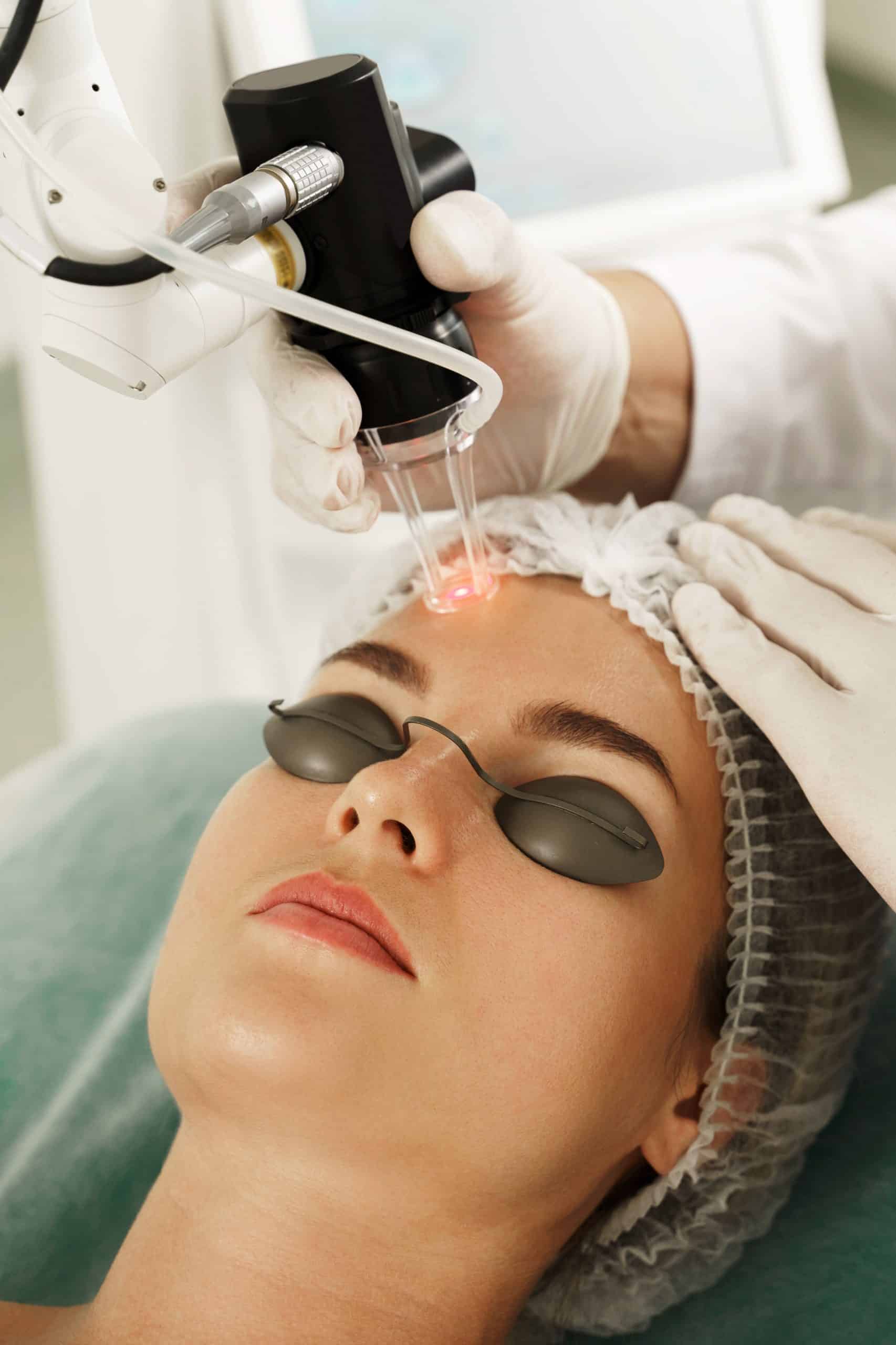
Laser therapy has revolutionized how we approach skin discoloration. Unlike topical treatments, lasers use concentrated beams of light to target specific pigments in the skin without damaging the surrounding tissue. This precision is what makes laser-based solutions a top choice for those seeking clear results.
-
Photo-selective Thermolysis: This is the principle where the laser energy is absorbed only by the melanin, shattering it into tiny particles.
-
Immune Clearance: Once the pigment is broken down, the body’s lymphatic system naturally flushes it out.
-
Collagen Stimulation: Many lasers also boost collagen, improving the overall health of the treated area.
Q-Switched Lasers
Q-switched lasers are highly effective for removing deep-seated tan and stubborn pigmentation. They deliver high-energy pulses in nanoseconds, creating a mechanical effect that breaks up the pigment.
-
Speed and Efficacy: These lasers work quickly to address large areas of tanned skin.
-
Minimal Downtime: Because they target the pigment specifically, the surface of the skin remains largely intact.
Fractional CO2 Lasers
For more severe sun damage and “leathery” tanned skin, fractional lasers create micro-channels in the skin. This triggers a massive healing response that replaces damaged, tanned tissue with fresh, healthy cells.
Microdermabrasion: Physical Exfoliation for Instant Brightening
Microdermabrasion is a non-invasive procedure that uses a specialized applicator with an abrasive surface to gently sand away the thick, uneven outer layer of the skin. This physical removal of the “stratum corneum” (the outermost layer) is highly effective for superficial tanning.
-
Mechanical Action: It uses either a diamond-tipped wand or fine crystals to exfoliate.
-
Vacuum Suction: The device vacuums away the dead skin cells immediately, stimulating blood flow.
-
Enhanced Absorption: Post-treatment, the skin is much more receptive to brightening serums and creams.
The Power of Specialized Brightening Facials
Modern facials have evolved far beyond simple relaxation. Clinical-grade facials utilize high concentrations of active ingredients like Vitamin C, Niacinamide, and Kojic acid to inhibit melanin production and brighten the complexion.
Vitamin C Infusion
Vitamin C is a potent antioxidant that neutralizes free radicals caused by UV exposure. It also inhibits the tyrosinase enzyme, preventing new pigment from forming while fading existing tan.
-
Antioxidant Protection: It repairs damage caused by environmental stressors.
-
Luminosity: Regular infusions result in a noticeable “glow” and evenness.
Glutathione and Kojic Acid
These ingredients are often used in specialized masks or serums during a professional session. They work by interrupting the chemical pathways that lead to skin darkening.
-
Kojic Acid: A natural byproduct of fermented rice, it is a powerful skin-lightener.
-
Glutathione: Often called the “master antioxidant,” it helps detoxify skin cells and brighten tone.
Medi-Facials vs. Traditional Methods
Medi-facials are performed under the guidance of skin experts and use medical-grade equipment and products. They are specifically designed to address skin concerns like tanning, hyperpigmentation, and sun spots with higher efficacy than standard spa facials.
-
Customized Protocols: Every session is tailored to the individual’s skin type and the depth of the tan.
-
Long-lasting Results: Because they work at a deeper level, the brightening effects last longer.
-
Hydration Focus: Many medi-facials include hyaluronic acid to ensure the skin remains plump while the tan is being removed.
Why Professional Treatments Outperform Home Remedies
While DIY masks using lemon or curd are popular, they rarely provide the consistent results seen with professional care. Home remedies often lack the concentration of active ingredients necessary to penetrate the dermis where the pigment truly resides.
-
Stability of Ingredients: Professional products use stabilized versions of actives (like Vitamin C) that don’t lose potency.
-
Controlled Depth: Experts can control exactly how deep a peel or laser penetrates, ensuring safety and effectiveness.
-
Combination Therapy: Professionals can combine modalities—like a peel followed by a laser—for synergistic results.
Post-Treatment Care and Maintenance
The effectiveness of any tan removal procedure is heavily dependent on how the skin is treated afterward. Since the skin is often more sensitive following an exfoliation or laser session, protective measures are vital to prevent the tan from returning.
-
Sun Protection: Broad-spectrum protection is non-negotiable to maintain results.
-
Moisturization: Keeping the skin hydrated helps the healing process and maintains a smooth texture.
-
Avoiding Heat: Staying away from saunas or hot showers immediately after treatment prevents irritation.
Long-term Benefits of Skin Rejuvenation
Investing in tan removal is not just about aesthetics; it is about skin health. Removing damaged skin layers reduces the presence of precancerous cells and improves the skin’s ability to breathe and regenerate.
-
Texture Improvement: Treatments often smooth out fine lines and rough patches.
-
Confidence Boost: An even, clear complexion often leads to improved self-esteem.
-
Prevention: Regular maintenance helps prevent the formation of permanent “age spots” or deep melasma.
Conclusion: A Holistic Approach to Radiance
Effective tan removal is a science-driven process that requires a combination of exfoliation, pigment inhibition, and cellular repair. By utilizing professional methods, individuals can safely and efficiently restore their natural skin tone, even in a climate as sunny as the UAE. Whether through the precision of lasers or the rejuvenating power of chemical peels, the path to a brighter complexion is grounded in understanding the skin’s biological needs.
Frequently Asked Questions
1. How many sessions are usually required to see results?
Visible improvement can often be seen after a single session of certain treatments like microdermabrasion or chemical peels. However, for a deep-seated tan or significant sun damage, a series of 4 to 6 sessions is typically recommended to achieve an optimal, uniform skin tone.
2. Can these treatments be done on all skin types?
Yes, modern technology allows for various treatments to be adapted for different skin tones. It is important to select the specific type of laser or chemical peel that is safe for your particular Fitzpatrick skin type to ensure the pigment is addressed without causing any secondary issues.
3. Is there any specific time of year best for these treatments?
While these treatments can be performed year-round, many people prefer to undergo intensive tan removal during the cooler months when sun exposure is naturally lower. Regardless of the season, strict adherence to sun protection is required following any session.
4. How long do the effects of a tan removal session last?
The results can be long-lasting if the skin is properly protected from future UV exposure. While the treatment removes existing pigment, the skin remains capable of tanning again if exposed to the sun without protection. Consistent use of sunblock and hats will help maintain your brightened complexion.

 Ahmad hassan