Team V One Hospital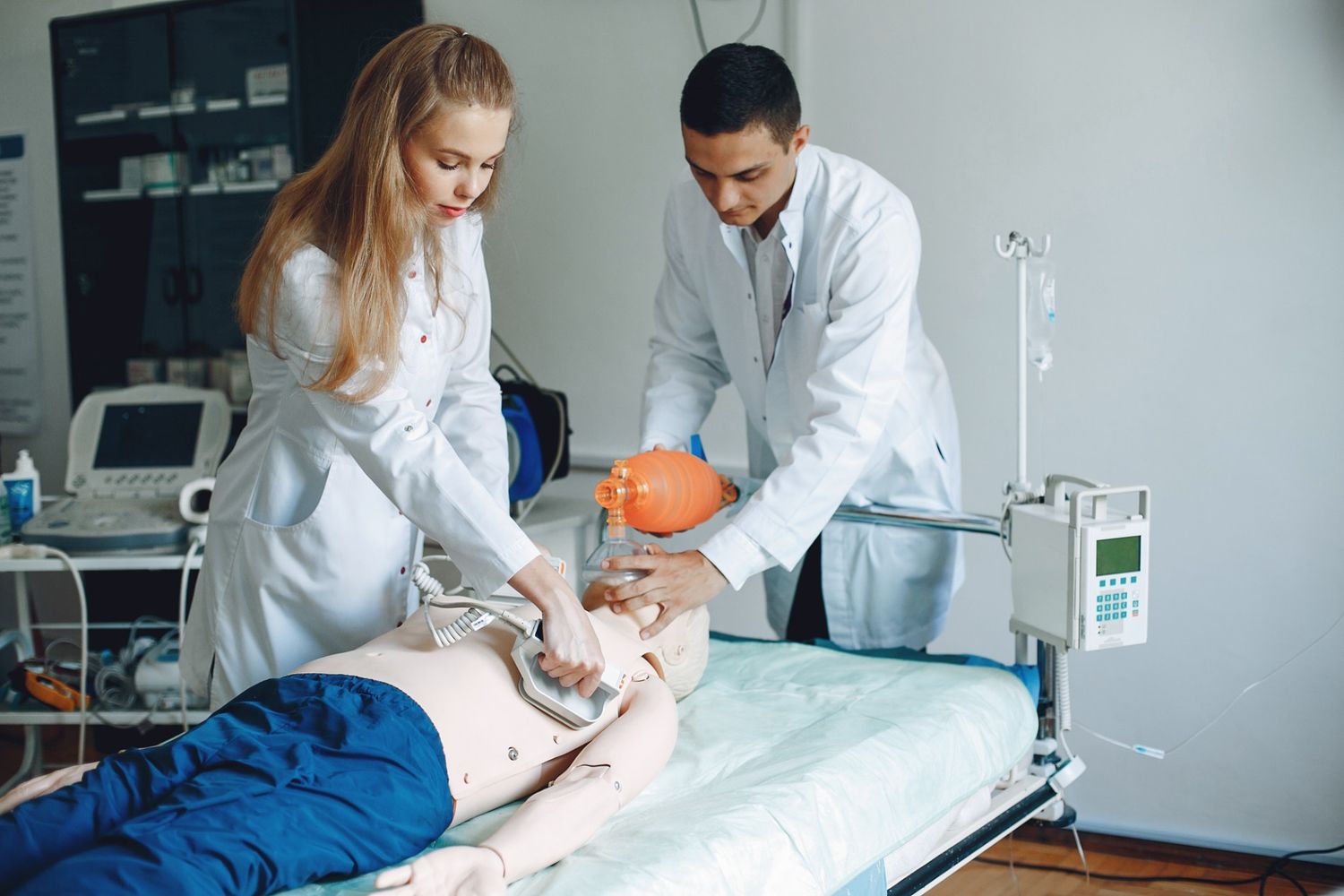
When a medical emergency happens, people expect help to arrive quickly. Whether it’s a road accident, a heart attack, or a sudden illness, timely medical support can make a life-saving difference. This is where Emergency medical services (EMS) play a vital role. EMS teams are trained to provide immediate care, stabilize patients, and transport them safely to hospitals.
However, delivering efficient emergency care is not equally easy everywhere. The challenges faced by Emergency medical services can vary significantly between urban and rural areas. While cities struggle with traffic and overcrowding, rural areas often deal with long distances and limited healthcare access.
Let’s understand these differences in a simple and practical way.
What Are Emergency Medical Services?
Before discussing the challenges, it helps to understand what Emergency medical services actually do.
EMS includes:
- Ambulance services
- Emergency response teams
- Paramedics and first responders
- Pre-hospital treatment and patient transport
Their goal is simple: provide immediate care when every second matters.
EMS Challenges in Urban Areas
At first glance, cities seem better equipped for emergencies. They often have more hospitals, more ambulances, and more medical staff. But urban environments create their own set of challenges for Emergency medical services.
1. Traffic Congestion Delays Response
One of the biggest urban challenges is traffic.
Even if an ambulance is only a few kilometers away, heavy traffic can delay arrival significantly.
Problems include:
- Rush hour roadblocks
- Narrow streets
- Poor lane discipline
- Delayed ambulance movement
For Emergency medical services, even a delay of a few minutes can affect patient outcomes.
2. Overcrowding in Hospitals
Urban hospitals often handle a large number of patients every day.
This creates issues like:
- Longer emergency room waiting times
- Limited ICU beds
- Delayed patient transfers
Even when Emergency medical services transport a patient quickly, overcrowded hospitals can slow down treatment.
3. High Number of Emergency Calls
Cities have dense populations, which means more emergencies.
This includes:
- Road accidents
- Workplace injuries
- Lifestyle-related emergencies like heart attacks
As demand rises, Emergency medical services teams may become stretched, making response management more difficult.
4. Communication Overload
In urban settings, multiple emergency requests can happen at the same time.
Dispatch teams often have to:
- Prioritize calls
- Coordinate multiple ambulances
- Manage limited resources quickly
This makes communication a major challenge for Emergency medical services in cities.
EMS Challenges in Rural Areas
While cities struggle with volume, rural areas often struggle with access.
The challenges in rural communities are very different—and often more difficult.
1. Long Distances to Reach Patients
One of the biggest rural challenges is geography.
Ambulances may need to travel:
- Long highway distances
- Remote village roads
- Poorly connected locations
This increases response time for Emergency medical services, especially in critical emergencies.
2. Limited Healthcare Infrastructure
Many rural areas have fewer hospitals and clinics.
This can mean:
- No nearby trauma center
- Limited specialist care
- Fewer advanced medical facilities
As a result, Emergency medical services may need to transport patients much farther for treatment.
3. Poor Road Conditions
Unlike urban traffic, rural roads may be:
- Unpaved
- Damaged
- Difficult during monsoon seasons
Bad roads slow down ambulances and make patient transport harder for Emergency medical services teams.
4. Shortage of Trained Personnel
Rural areas often face staffing shortages.
This includes:
- Fewer paramedics
- Limited emergency doctors
- Less specialized training opportunities
Without enough trained staff, Emergency medical services may struggle to deliver advanced care quickly.
5. Lack of Public Awareness
In some rural communities, people may delay calling for help because:
- They don’t know emergency numbers
- They rely on local transport instead of ambulances
- They underestimate symptoms
Public awareness directly affects how effectively Emergency medical services can respond.
Comparing Urban vs Rural EMS Challenges
Here’s a simple comparison:
| Urban Areas | Rural Areas |
|---|---|
| Traffic delays | Long travel distances |
| Overcrowded hospitals | Limited hospitals |
| High call volume | Staff shortages |
| Fast access but slower movement | Slow access due to geography |
| Better infrastructure | Limited infrastructure |
Both environments challenge Emergency medical services, but in very different ways.
How Technology Is Helping EMS Everywhere
Technology is improving emergency care in both urban and rural areas.
Examples include:
- GPS ambulance tracking
- Telemedicine support
- Real-time hospital communication
- Digital patient monitoring
These tools help Emergency medical services respond faster and more efficiently.
Importance of Local Planning
Every community needs emergency planning based on its unique needs.
Urban areas may need:
- Dedicated ambulance lanes
- More emergency centers
- Better traffic coordination
Rural areas may need:
- Mobile medical units
- More local ambulance stations
- Better road infrastructure
Customized planning helps strengthen Emergency medical services in both settings.
Public Role in Supporting EMS
People can also help improve emergency response.
Simple actions include:
- Giving way to ambulances
- Knowing emergency contact numbers
- Calling early during symptoms
- Providing accurate location details
Community cooperation makes Emergency medical services more effective.
Why EMS Improvement Matters
Improving Emergency medical services benefits everyone.
Better EMS means:
- Faster treatment
- Higher survival rates
- Better patient outcomes
- Stronger healthcare systems
Whether in a city or a village, timely emergency care saves lives.
Final Thoughts
The challenges faced by Emergency medical services in urban and rural areas may look different, but the mission remains the same – deliver fast, life-saving care when patients need it most.
Urban EMS teams fight traffic, overcrowding, and heavy demand. Rural EMS teams face distance, limited infrastructure, and staffing shortages. Both environments require strong planning, better technology, and community support.
As healthcare systems continue to improve, strengthening Emergency medical services should remain a top priority—because in emergencies, every minute truly matters.


 enfield abudhabi