Jeena Sikho HiiMS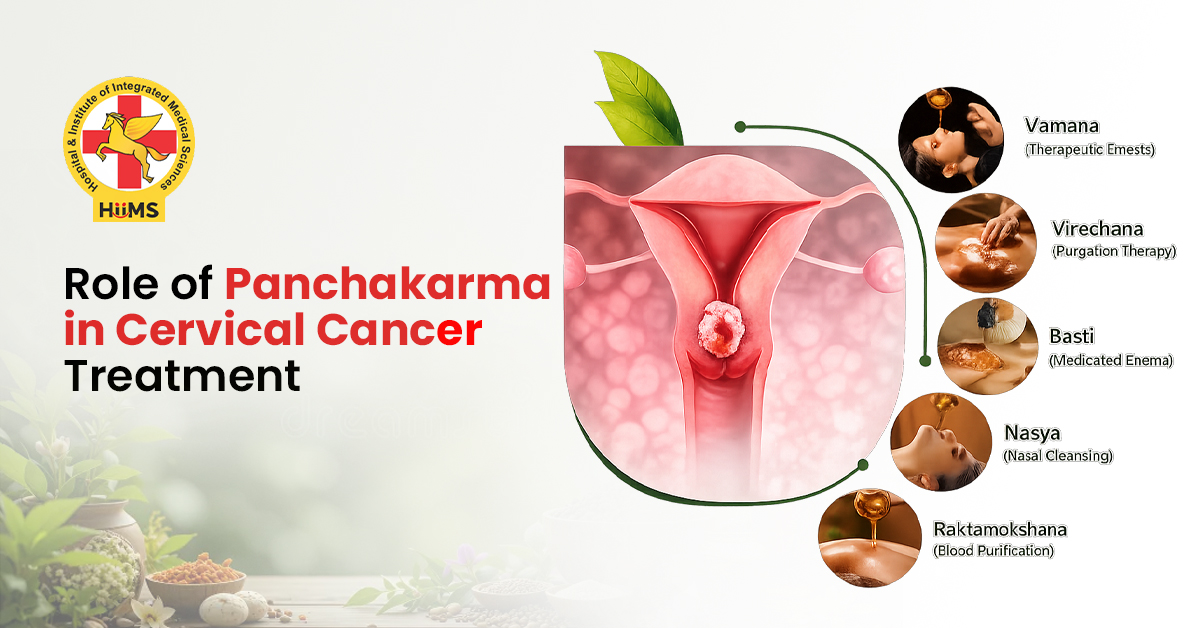
Health concerns do not always begin with strong signs. Sometimes the body gives small signals that are easy to ignore. A little discomfort, unusual bleeding, pelvic pain, or feeling tired more often than usual may not seem serious in the beginning. But when such changes continue, people start looking for answers and proper guidance. During this time, many individuals also begin searching for supportive methods that may help them feel physically and mentally better. This is where Panchakarma Therapy for Cervical Cancer becomes a topic of interest.
Many people today are not only looking at treatment itself. They also want to understand how they can support their body during the process. They want approaches that focus on overall health and comfort. Panchakarma is often discussed because it focuses on cleansing and balance through Ayurvedic methods.
Understanding Cervical Cancer
Cervical cancer develops in the cervix, which is the lower part of the uterus connecting to the vagina. It usually develops slowly and may take years before noticeable symptoms appear. In some cases, long-term infections and other factors can increase risk.
Early signs may include:
- Unusual bleeding between periods
- Bleeding after intercourse
- Pelvic discomfort
- Changes in vaginal discharge
- Constant tiredness
- Pain during intercourse
These symptoms do not always mean cervical cancer, but they should not be ignored if they continue for a long period.
Early understanding and proper medical consultation are important because timely care often improves overall management and treatment planning.
What Is Panchakarma?
Panchakarma is an Ayurvedic approach focused on cleansing the body and improving internal balance. The word Panchakarma means “five actions” or “five procedures.” These therapies are designed to remove accumulated toxins and support normal body functions.
The purpose of Panchakarma Therapy for Cervical Cancer is generally discussed as supportive care rather than a replacement for medical treatment. It focuses on helping the body maintain balance and improving overall wellness during the treatment journey.
The five main Panchakarma procedures include:
- Vamana
- Virechana
- Basti
- Nasya
- Raktmokshana
Not everyone receives all therapies. The selection depends on individual health conditions and needs.
Why People Consider Panchakarma Therapy for Cervical Cancer
People often experience changes in their body during treatment periods. Some individuals may feel digestive discomfort, low energy, stress, or general weakness.
Many individuals consider Panchakarma Therapy for Cervical Cancer because they want supportive approaches that may help improve overall health.
The goal is usually not quick changes. Instead, it focuses on gradual improvement and body balance.
Some reasons why people explore Panchakarma include:
- Supporting digestion
- Maintaining overall wellness
- Improving body balance
- Supporting mental relaxation
- Promoting a healthier lifestyle
Understanding Different Panchakarma Therapies
Vamana
Vamana is a cleansing procedure used in Ayurveda when excess mucus and heaviness are believed to affect the body.
The therapy focuses on clearing the upper digestive tract and reducing internal imbalance.
Virechana
Virechana is another cleansing procedure that focuses on deeper purification.
Some people describe feeling lighter after the process. The therapy aims to remove accumulated waste from the body and support digestive function.
Basti
Basti is commonly associated with digestive support.
Digestive health often influences many other body functions. Better digestion may contribute to improved overall well-being.
Nasya
Nasya works through the nasal passage and is often discussed in relation to mental relaxation and clearing blockages.
Stress management is important because emotional well-being can influence overall health.
Raktmokshana
Raktmokshana is selected only in specific situations and focuses on purification methods according to Ayurvedic principles.
Possible Supportive Benefits of Panchakarma Therapy for Cervical Cancer
People often expect dramatic changes immediately, but supportive therapies usually work gradually.
Some commonly discussed supportive benefits include:
Better digestion
Digestion plays an important role in overall health. Improved digestive function may help people feel more comfortable.
Feeling lighter
Some people report reduced heaviness after therapy sessions.
Improved daily comfort
Supporting overall body function may help improve general comfort levels.
Emotional support
Managing stress and emotional pressure is important during difficult health situations.
Improved wellness focus
Panchakarma often encourages better lifestyle habits and attention toward overall health.
Importance of Lifestyle Along With Supportive Care
Lifestyle habits can also influence overall well-being.
Simple practices may include:
- Eating balanced meals
- Staying hydrated
- Getting proper sleep
- Managing stress levels
- Staying physically active according to comfort level
Small daily habits often contribute to long-term wellness.
Understanding Individualized Care
One important thing about Panchakarma Therapy for Cervical Cancer is that the approach is often personalized.
Every person is different.
Some individuals may need more digestive support while others may need therapies focused on relaxation and overall balance.
Personalized care aims to understand the body first before selecting therapies.
Conclusion
Dealing with cervical cancer can sometimes feel overwhelming because there is often a lot of information available. People may feel confused about treatment choices and supportive approaches.
Panchakarma Therapy for Cervical Cancer is often discussed as a supportive Ayurvedic approach that focuses on cleansing, balance, and overall wellness. The purpose is generally to support the body and improve comfort during the health journey.
If you’re unsure about the next step, you can book a VOPD consultation or Book an Appointment with our doctors, discuss your concerns, ask questions, and understand which approach may be suitable for your condition. Having the right guidance can often be more helpful than making quick decisions.


 Dynamic Clinics
 Dynamic Life Clinics