Jewels And Chains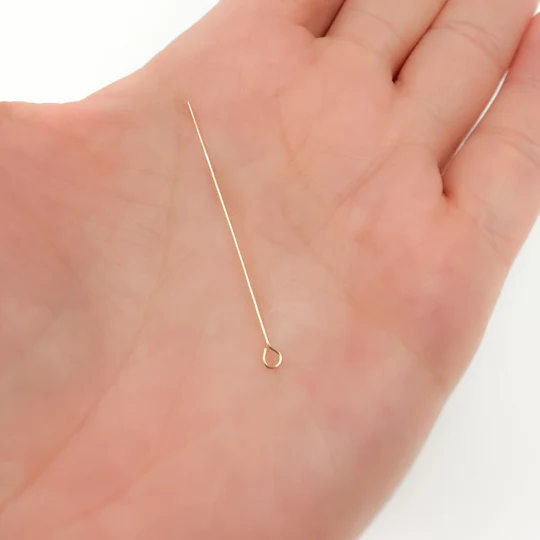
Head pins are one of the most fundamental findings in jewelry making. These small metal wires feature a flat or decorative end that prevents beads from sliding off, making them ideal for creating dangles, charms, and pendants. Without them, many common jewelry designs would be difficult to construct securely and neatly.
One of the most popular uses of headpins for jewelry making is in bead linking. Designers thread beads onto the pin, then form a loop at the top to attach it to chains, ear wires, or other components. This simple technique opens the door to endless creative possibilities.
Head pins come in various thicknesses, lengths, and finishes. The choice depends on the type of beads being used and the overall design aesthetic. For instance, delicate glass beads often require thinner pins, while heavier gemstone beads need stronger gauges for proper support.
Beyond functionality, head pins also contribute to the visual appeal of a piece. A well-chosen finish—whether silver, antique bronze, or gold—can enhance the overall design and create a cohesive look.
Why Material Matters in Head Pins
The material of a head pin plays a significant role in both durability and aesthetics. Jewelry designers often select materials based on the intended use, budget, and target audience.
Among premium options, 14k gold head pins are highly valued for their elegance and resistance to tarnishing. These pins are particularly popular in fine jewelry because they maintain their shine over time and complement high-quality gemstones beautifully. Their warm tone adds a luxurious touch that elevates even the simplest designs.
Gold-filled and gold-plated alternatives are also widely used, offering a more affordable option while still maintaining a polished appearance. However, solid 14k gold remains the preferred choice for long-lasting, heirloom-quality pieces.
When working with precious materials, consistency is key. Matching head pin metals with other findings such as clasps and jump rings ensures a professional finish and enhances the overall harmony of the design.
Designing Elegant Earrings with Head Pins
Earrings are one of the most common applications for head pins due to their versatility and ease of use. Designers frequently rely on head pins for earrings to create dangling bead arrangements that move gracefully and catch the light.
To make a simple earring design, beads are threaded onto a pin, and a loop is formed at the top using round-nose pliers. This loop is then attached to an ear wire, completing the piece. Despite its simplicity, this technique allows for endless creativity in color combinations, bead shapes, and layering effects.
For more advanced designs, multiple head pins can be combined to create cascading or clustered earrings. This adds dimension and movement, making the jewelry more visually dynamic.
A well-designed pair of earrings should balance weight, proportion, and comfort. Using appropriately sized pins ensures that the earrings remain lightweight while still maintaining structural integrity.
Choosing Quality Findings for Professional Results
The success of any jewelry piece depends heavily on the quality of its components. Poor-quality findings can weaken designs, tarnish quickly, or break under pressure. This is why many designers prefer sourcing materials from trusted suppliers like Jewels And Chains, known for providing consistent and reliable jewelry-making essentials.
High-quality head pins ensure smooth working during assembly and reduce the risk of bending or snapping. They also provide a polished finish that enhances the perceived value of handmade jewelry.
When selecting findings, it’s important to consider compatibility across all components. Mixing inconsistent metals or finishes can disrupt the visual flow of a design. Instead, maintaining uniformity creates a more refined and professional appearance.
Techniques for Working with Head Pins Effectively
Mastering the use of head pins requires practice and attention to technique. One of the most important skills is creating clean, secure loops. A poorly formed loop can cause beads to fall off or weaken the structure of the jewelry.
To achieve consistent results, designers should use quality pliers and ensure that loops are fully closed. Open loops can lead to fragile connections, especially in frequently worn pieces such as earrings or bracelets.
Another useful technique is pre-planning bead order before assembly. This helps avoid mistakes and ensures symmetry in the final design. For intricate patterns, laying out all components beforehand can save time and improve accuracy.
Heat and pressure should also be handled carefully, especially when working with softer metals. Overworking a pin can weaken its structure, so controlled movements are essential.
Styling Ideas for Modern Jewelry Designs
Modern jewelry trends often emphasize minimalism, personalization, and natural textures. Head pins play a key role in achieving these styles due to their adaptability.
For minimalist designs, a single bead on a fine pin can create an elegant and understated look. This approach works especially well in everyday earrings or delicate necklaces.
Layered designs, on the other hand, use multiple pinned beads to create depth and movement. This style is popular in bohemian and artistic jewelry collections.
Designers working with head pins for earrings often experiment with asymmetrical arrangements, mixing different bead sizes and colors to create unique statement pieces.
Incorporating mixed materials such as pearls, crystals, and gemstones further enhances the visual appeal and allows for more personalized creations.
The Value of Investing in Premium Jewelry Findings
Investing in high-quality materials is essential for anyone serious about jewelry design. Premium findings not only improve durability but also elevate the overall appearance of finished pieces.
Using 14k gold head pins in high-end designs ensures long-term value and customer satisfaction. These materials resist wear and maintain their brilliance, making them ideal for professional jewelry collections.
Similarly, sourcing reliable components from Jewels And Chains helps designers maintain consistency across their work. Reliable suppliers reduce production issues and ensure that each piece meets high standards of craftsmanship.
Conclusion
Head pins may appear simple, but they are one of the most important components in jewelry design. From securing beads to shaping elegant dangles, they provide both structure and creative freedom. Understanding their materials, applications, and techniques allows designers to elevate their craftsmanship and produce high-quality pieces.
Whether you are exploring basic headpins for jewelry making, investing in luxury 14k gold head pins, or designing stylish head pins for earrings, choosing the right components makes all the difference. With trusted suppliers like Jewels And Chains, jewelry makers can confidently build collections that are both beautiful and durable.
By mastering these essentials, you can transform simple materials into stunning wearable art that reflects skill, creativity, and attention to detail.
Other keywors:
connectors play a critical role.
Contact & Explore Our Collection
Looking for elegant gemstone jewelry crafted with timeless style and quality materials? Explore our latest collections and discover beautifully designed chains perfect for everyday wear and special occasions.
Visit Our Website
Discover premium gemstone jewelry, modern chain designs, and handcrafted collections made to match every style preference.
🌐 Website: https://jewelsandchains.com/
Why Customers Visit Our Store
✔ Premium Craftsmanship
✔ Stylish & Durable Designs
✔ Modern and Classic Jewelry Options
✔ Perfect for Gifting & Daily Wear
Take a moment to browse our featured collections and discover jewelry pieces designed to combine elegance, comfort, and long-lasting beauty. Explore the latest arrivals, styling inspiration, and customer favorites directly on our website.


 Susan Armadale
 Golden sunGoldensun