Industrial Exchange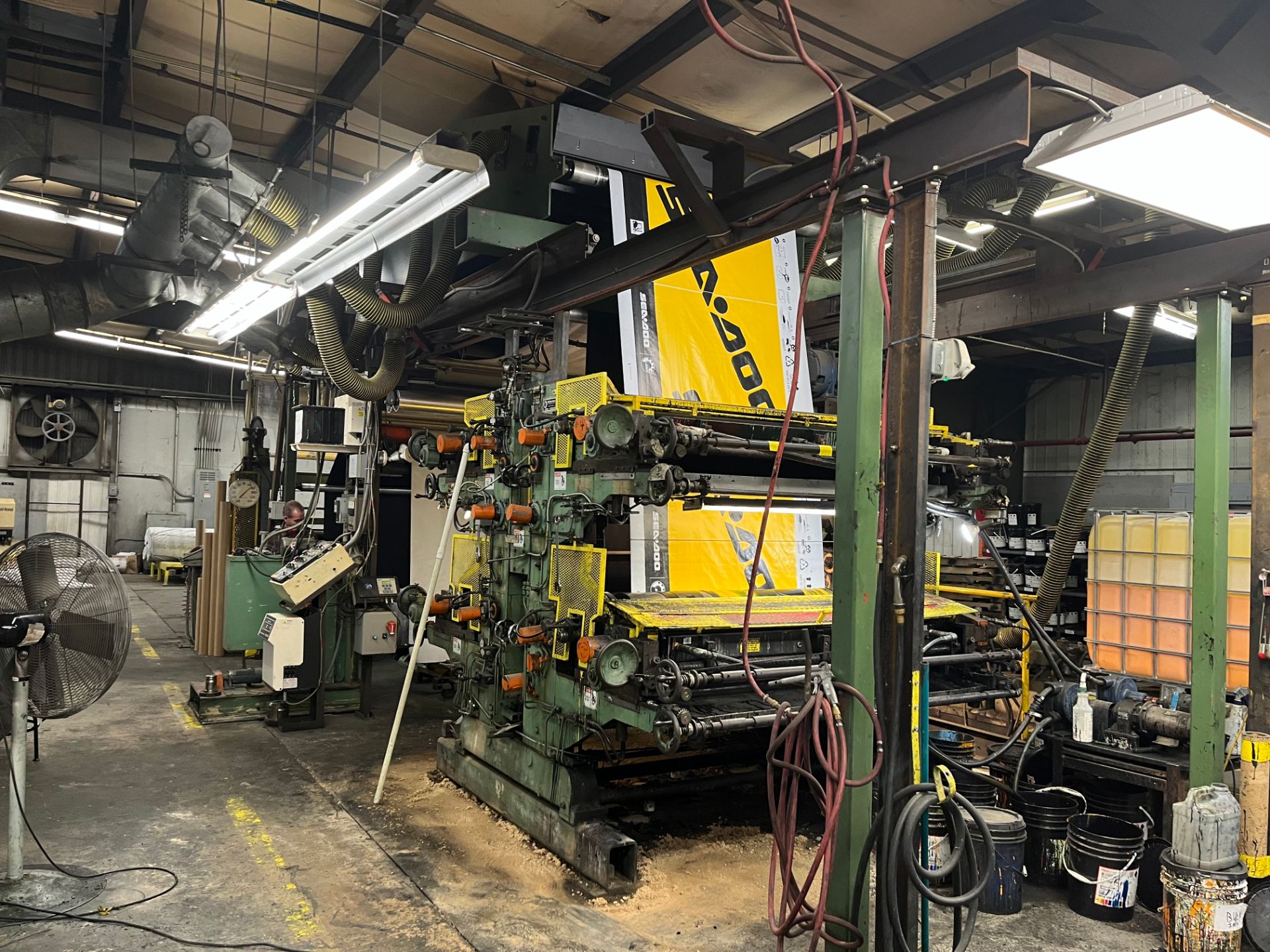
Used flexographic printing equipment can provide exceptional value for packaging manufacturers, label converters, and industrial printing facilities looking to expand production capacity without the high cost of purchasing new machinery. However, like any precision industrial equipment, flexographic presses require consistent maintenance and proper operation to deliver long-term reliability and print quality.
With the right preventive maintenance practices, many used flexographic printing systems can continue operating efficiently for years while maintaining strong production performance. Proper care not only extends equipment lifespan but also helps reduce downtime, minimize waste, and improve overall operational efficiency.
At Industrial Exchange, industrial buyers can explore a wide range of used flexographic printing and converting equipment designed for high-performance manufacturing operations.
Why Preventive Maintenance Matters
Flexographic printing presses operate at high speeds and rely on precise synchronization between mechanical, pneumatic, electrical, and web handling systems.
Over time, normal production conditions can lead to:
- Mechanical wear
- Ink buildup
- Registration drift
- Roller deterioration
- Drying inefficiencies
- Tension instability
Without proper maintenance, these issues may result in:
- Reduced print quality
- Increased waste
- Production downtime
- Higher repair costs
- Shortened equipment lifespan
Preventive maintenance helps identify and address small issues before they become major operational problems.
Regular Roller Cleaning
Rollers are among the most important components in a flexographic printing system. Proper roller maintenance directly impacts:
- Print quality
- Ink transfer consistency
- Registration stability
- Production efficiency
Rollers That Require Regular Cleaning:
- Anilox rollers
- Impression rollers
- Ink transfer rollers
- Idler rollers
- Tension rollers
Ink buildup, adhesive contamination, and coating residue can gradually reduce roller performance and cause print defects.
Best Practices for Roller Cleaning:
- Clean rollers after production runs
- Use approved cleaning solutions
- Avoid abrasive cleaning tools
- Inspect roller surfaces regularly
- Remove dried ink buildup promptly
Anilox rollers are especially sensitive because clogged cells can disrupt ink metering and affect color consistency.
Facilities operating industrial flexographic systems such as the 65″ Four Color Stack Flexo Press should prioritize consistent roller cleaning to maintain stable print quality and long-term equipment performance.
Follow Proper Lubrication Schedules
Lubrication is essential for minimizing friction and wear in moving mechanical components.
Flexographic presses contain numerous moving systems, including:
- Bearings
- Gear assemblies
- Drive shafts
- Chains
- Couplings
- Guide rails
Without proper lubrication, excessive friction can lead to:
- Premature component wear
- Vibration issues
- Overheating
- Mechanical failure
Lubrication Best Practices:
- Follow manufacturer-recommended schedules
- Use correct lubricant types
- Avoid over-lubrication
- Inspect lubrication points regularly
- Monitor for leaks or contamination
Consistent lubrication helps maintain smoother machine operation and reduces long-term maintenance costs.
Inspect Print Cylinders Regularly
Print cylinders play a critical role in maintaining accurate print registration and image consistency.
Over time, cylinders may develop:
- Surface wear
- Damage from improper handling
- Registration inaccuracies
- Mounting issues
Cylinder Inspection Should Include:
- Surface condition checks
- Alignment verification
- Gear wear inspection
- Mounting hardware evaluation
- Cylinder concentricity testing
Damaged or improperly aligned print cylinders can create:
- Registration drift
- Print distortion
- Color misalignment
- Increased material waste
Proper storage and careful handling of print cylinders are equally important for preventing accidental damage during changeovers.
Maintain Accurate Tension Calibration
Web tension stability is one of the most important factors affecting flexographic printing performance.
Improper tension can lead to:
- Wrinkled substrates
- Web breaks
- Misregistration
- Material stretching
- Roll defects
Important Tension Control Maintenance Areas:
- Load cells
- Brake systems
- Dancer rollers
- Tension sensors
- Servo systems
Tension calibration should be checked regularly to ensure accurate control across varying substrate types and production speeds.
Modern tension systems rely heavily on electronic feedback and sensor accuracy. Even small calibration errors can affect print consistency during long production runs.
Facilities using integrated converting operations may also rely on downstream slitting and rewinding systems such as the 134″ Wide Toschi Model 4000-3S Two Drum Slitter Rewinder Jagenburg Unwind, where stable tension control remains equally critical.
Keep Drying Systems in Good Condition
Drying systems are essential for ensuring inks cure properly before rewinding or downstream processing.
Poor drying performance can cause:
- Ink smudging
- Blocking
- Incomplete curing
- Adhesion problems
- Production defects
Drying System Maintenance Tips:
- Clean airflow ducts regularly
- Inspect heating elements
- Check exhaust performance
- Monitor temperature controls
- Verify airflow consistency
For solvent-based systems, proper ventilation and exhaust operation are especially important for:
- Safety compliance
- Fire prevention
- Environmental control
Maintaining stable drying performance allows presses to operate efficiently at higher production speeds.
Train Operators Properly
Operator skill has a major impact on equipment lifespan and production reliability.
Improper operation can accelerate wear and create unnecessary stress on machine components.
Operator Training Should Include:
- Startup and shutdown procedures
- Web threading techniques
- Tension adjustment
- Cleaning procedures
- Troubleshooting methods
- Safety protocols
Well-trained operators are better equipped to:
- Detect early warning signs
- Prevent machine damage
- Reduce material waste
- Maintain print consistency
Regular refresher training also helps operators stay familiar with updated controls and production procedures.
Monitor Electrical and Control Systems
Modern flexographic printing systems depend heavily on electronic controls and automation systems.
Electrical maintenance should include:
- PLC inspections
- Wiring checks
- Sensor calibration
- Servo drive monitoring
- HMI functionality testing
Control system problems can lead to:
- Registration instability
- Production interruptions
- Reduced automation accuracy
Keeping electrical systems clean and properly maintained helps improve long-term operational reliability.
Perform Scheduled Preventive Maintenance
Preventive maintenance programs help reduce unexpected downtime and extend equipment lifespan.
A comprehensive maintenance schedule should include:
- Daily inspections
- Weekly cleaning procedures
- Monthly lubrication checks
- Quarterly calibration verification
- Annual mechanical inspections
Maintenance records should track:
- Repairs
- Component replacements
- Calibration adjustments
- Downtime history
- Operating hours
Well-documented maintenance history helps facilities plan future repairs more effectively and maintain consistent production performance.
Maintain Clean Production Environments
Dust, ink residue, and airborne contamination can accelerate wear on printing equipment.
Keeping the production area clean helps:
- Protect sensitive electronics
- Reduce roller contamination
- Improve air quality
- Prevent premature component wear
Climate control is also important because excessive humidity or temperature fluctuations can affect:
- Ink behavior
- Substrate stability
- Mechanical tolerances
Modernizing Older Equipment
Many older flexographic presses can benefit from modernization upgrades that improve efficiency and extend operational life.
Common upgrades include:
- Servo retrofits
- Automated registration systems
- Digital monitoring controls
- Improved tension systems
- Enhanced web guiding
These improvements help older equipment deliver production performance comparable to newer systems.
Facilities involved in paper converting and finishing may also use upgraded calender systems such as the 112″ Face Width Sulzer Escher Wyss Nipcomat 4 Roll Soft Nip Calender for high-quality surface finishing operations.
Industrial buyers can explore additional converting equipment through the Industrial Exchange Stack Flexographic Printing Press Category, the Industrial Exchange Used Slitter Rewinder Category, the Industrial Exchange Two Drum Slitter Rewinder Category, and the Industrial Exchange Paper Calender Category.
Final Thoughts
Used flexographic printing equipment can continue delivering reliable, high-quality production for many years when supported by proper preventive maintenance and operator care. Regular roller cleaning, lubrication schedules, print cylinder inspections, tension calibration, drying system maintenance, and operator training all play critical roles in extending equipment lifespan and improving operational efficiency.
For businesses seeking dependable used flexographic printing and converting equipment, Industrial Exchange offers a wide selection of industrial machinery designed to support efficient and reliable manufacturing operations.


 Peter Kester
 Thatware LLP