Kimkarlo Smith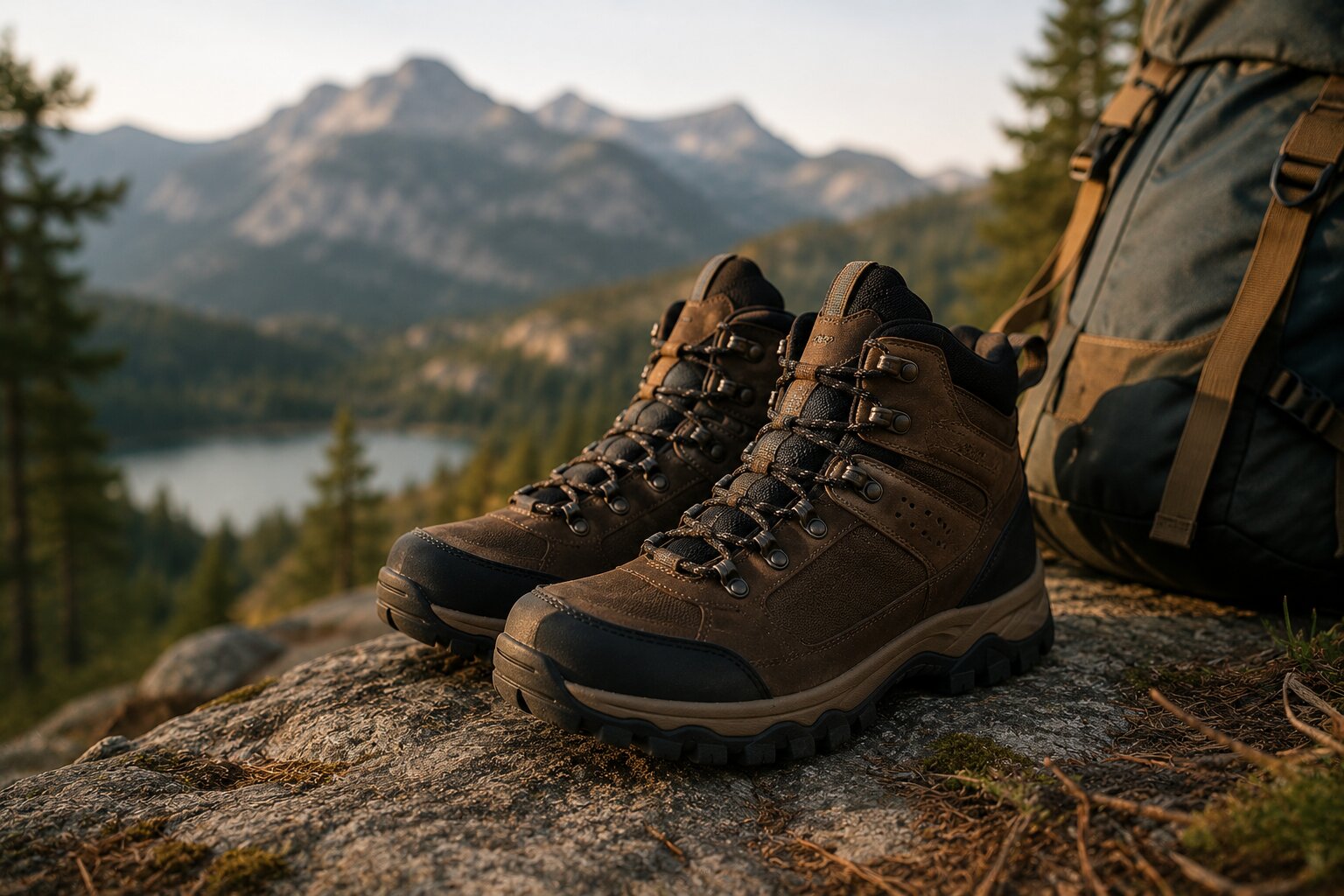
There’s a moment every hiker knows — you’re three miles into a trail, your feet are screaming, and you’re thinking about nothing except how badly you chose your footwear that morning. I’ve been there. More times than I’d like to admit.
Picking hiking boots isn’t glamorous. Nobody talks about it at dinner parties. But get it wrong, and your entire trip turns into a miserable, blister-soaked slog. Get it right, and you genuinely forget your feet exist — which, if you think about it, is the whole point.
I’ve spent a lot of time testing boots across different trails and weather conditions. A brand that genuinely surprised me along the way was Nortiv 8 — their waterproof hiking boots cover a solid range, from wide-fit builds to backpacking-specific options, and they’ve earned a loyal following for good reason. But whatever you end up buying, the principles below are what actually separate a good purchase from a regrettable one.
Start With the Terrain, Not the Boot
Most people start boot shopping by browsing designs. That’s backwards.
The terrain you’re hiking dictates everything — the ankle support you need, the sole stiffness, the waterproofing level, and even the weight you should be okay carrying on your feet.
Day hikes on maintained trails — You don’t need a heavy-duty mountaineering boot. A lightweight low-cut or mid-cut hiking shoe works great here. Breathability matters more than maximum protection.
Multi-day backpacking — This changes things. You’re carrying weight, covering uneven ground, and your feet will be tired. You want a stiffer sole, proper ankle support, and real waterproofing — not just water-resistant.
Rocky or technical terrain — Look for boots with rock plates in the midsole. Your feet will thank you after mile six when you’re scrambling over loose shale.
Wet environments or rainy seasons — Waterproof membranes (like Gore-Tex or similar) aren’t optional here. Your feet being wet for hours leads to blisters and, in cold weather, real problems.
Know your terrain first. Everything else follows.
The Fit Is Non-Negotiable
This is where most people go wrong, and it’s surprisingly easy to get right if you know what to look for.
Your heel should sit snug in the boot — no slipping. When you lace up properly and walk downhill, your toes should not be jamming into the front. There should be roughly a thumb’s width of space between your longest toe and the toe box.
Here’s the thing about toe boxes that nobody tells beginners: wide feet are far more common than the standard boot market suggests. Millions of people have been squeezing into narrow boots for years, assuming foot pain is just part of hiking. It’s not. Wide-fit boots exist specifically for this, and they make an enormous difference. If you’ve ever had numb toes or black toenails after hiking, try a wide-toe option before assuming it’s just the mileage.
Also — try boots on at the end of the day. Your feet swell as the day goes on, and a boot that feels perfect at 9am can feel tight by 3pm on the trail.
High-Top vs. Low-Cut: The Real Answer
The internet loves to debate this. Here’s the honest version:
High-top boots offer ankle support and are harder for debris to enter. They’re better for rough terrain, heavy loads, and people who’ve had ankle injuries.
Low-cut hiking shoes are lighter, more breathable, and move more naturally with your foot. They’re ideal for well-maintained trails and day hikes where you’re moving fast and light.
Mid-cut boots split the difference — and honestly, for most casual to moderate hikers, mid-cut is the sweet spot. Enough support without feeling like you’re wearing a small building on each foot.
Waterproofing: Yes or No?
Waterproof boots are not always the right answer, and this surprises people.
In hot, dry climates — or on summer trails in full sun — waterproof membranes trap heat and moisture from the inside. Your feet sweat, and with nowhere for that moisture to go, you end up with the same damp problem you were trying to avoid.
In wet climates, shoulder seasons, stream crossings, or anywhere you might encounter rain or mud? Waterproofing is worth every penny.
A good rule: if there’s more than a 30% chance your feet will get externally wet, go waterproof. Otherwise, breathability often wins.
Sole Matters More Than You Think
The outsole grip determines how confident you’ll feel on slippery surfaces. Look for deep lugs — those are the rubber nubs on the bottom. Deeper, wider-spaced lugs shed mud better. Tighter lug patterns work better on rock.
Midsole cushioning affects how your knees and hips feel after long days. More cushioning isn’t always better — some hikers prefer a firmer feel for better ground feedback on technical terrain.
Break Them In. Seriously.
No matter how good a boot is on paper, wearing them for the first time on a 10-mile hike is a mistake. Wear them around the house. Do a few short local walks. Let the materials soften to your foot shape.
Most boot-related suffering is just skipped break-in time.
Final Thought
Good hiking boots don’t have to cost a fortune. They just have to fit your foot, match your terrain, and hold up to actual use. Spend time on fit before you spend money on features, and you’ll almost always end up with something that works.
Your feet carry you everywhere. The least you can do is choose their shoes properly.


 Monte Carlo Fashions
 Kesardeep Silver jewelry Manufacturer in jaipur