Jeena Sikho HiiMS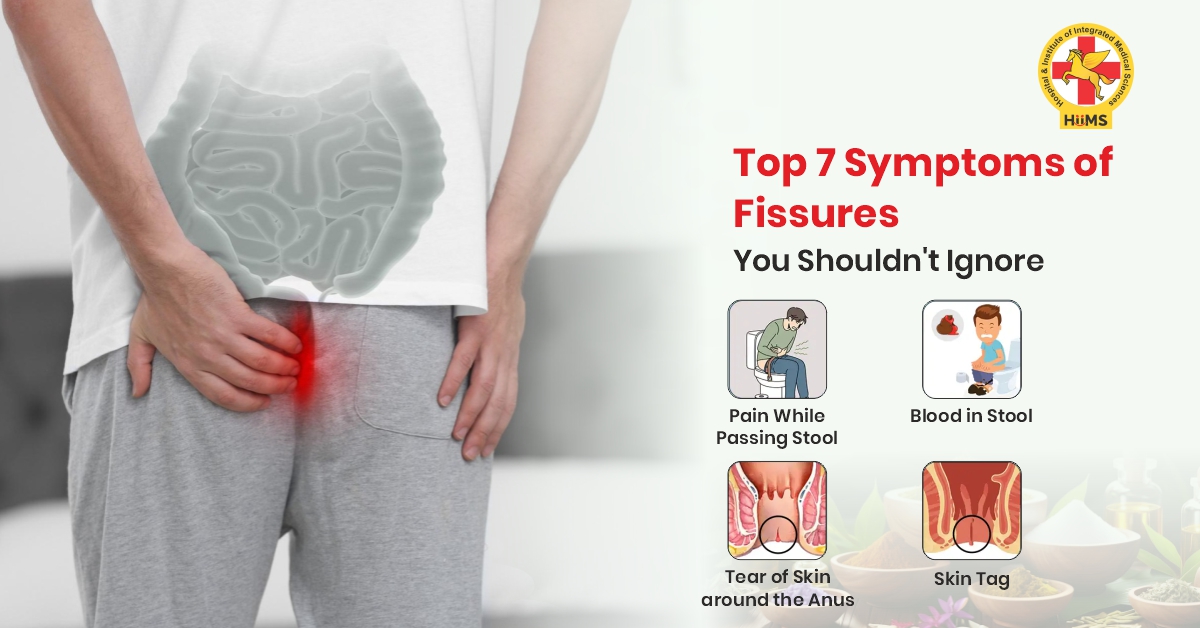
Fissure Symptoms can affect daily life more than many people realize. What may begin as mild discomfort during bowel movements can slowly turn into ongoing pain, burning, irritation, and fear of using the washroom. Many people ignore the problem at first because they feel embarrassed talking about it or assume it will disappear naturally. However, when the small tear keeps reopening again and again, the discomfort may continue for weeks or even months.
An anal fissure is a tiny tear in the lining around the anus. Even though the tear is small, the area is highly sensitive, which is why the pain can feel sharp and intense. Fissures are commonly linked with constipation, hard stools, dehydration, and repeated strain during bowel movements. In many cases, lifestyle habits and digestive health play a major role in both the development and healing process.
Understanding Fissure Symptoms early can help people become more aware of the condition and support natural healing through healthier bowel habits and lifestyle changes.
What Is an Anal Fissure?
An anal fissure is a small crack or cut near the anal opening. The tear usually develops when hard stool stretches the skin too much during bowel movements. Repeated constipation or pressure can keep reopening the area and prevent proper healing.
Although the condition may sound small, the discomfort can become severe enough to affect sitting, walking, sleeping, and everyday routine. Many people also confuse fissures with piles because some symptoms, such as pain and bleeding, can appear similar in the beginning.
Why Fissures Happen
There are several everyday habits that may increase the risk of fissures. One of the most common reasons is constipation. When stool becomes dry and hard, extra pressure is needed to pass it, and that pressure can create small tears in the anal lining.
Common Causes of Fissures
- Chronic constipation
- Hard stools
- Poor water intake
- Low-fiber meals
- Long sitting hours
- Poor digestion
- Repeated straining during bowel movements
- Irregular eating habits
From an Ayurvedic point of view, poor digestion and dryness in the body may also contribute to bowel discomfort and difficulty in passing stool smoothly.
Major Fissure Symptoms
The body usually gives warning signs before the discomfort becomes severe. Recognizing these Fissure Symptoms early may help reduce irritation and support better healing naturally.
Pain During Bowel Movements
This is one of the most common symptoms people notice first. The pain may feel sharp, cutting, or burning while passing stool. Some people continue feeling discomfort even after leaving the washroom.
Burning Sensation
A burning feeling around the anal area may continue for hours after bowel movements. This can make daily activities uncomfortable and stressful.
Bleeding
Fresh red blood may appear on toilet paper or stool. Even a small amount should not be ignored because it may indicate that the tear keeps reopening.
Muscle Tightness
Pain often causes the muscles around the anus to tighten automatically. This tightness can make bowel movements harder and increase discomfort further.
Visible Tear or Crack
In some cases, a small crack or cut near the anal opening can also be seen. The tear may become deeper if the pressure and strain continue regularly.
Itching and Irritation
Continuous irritation around the area may disturb sitting, walking, and daily comfort. Some people notice the itching more during nighttime.
Importance of Early Care
Ignoring Fissure Symptoms for too long may increase irritation and delay healing. Chronic fissures can sometimes lead to long-term discomfort and small skin tags near the tear.
Many people avoid seeking help because the issue feels embarrassing to discuss, but early attention may help reduce strain on the area and improve comfort naturally. Healthy bowel habits and proper digestion often play a very important role in supporting recovery.
Natural Ways to Support Healing
Simple lifestyle changes may help support smoother bowel movements and reduce pressure on the anal area naturally.
Drink Enough Water
Good hydration may help soften stool and reduce strain during bowel movements.
Eat Fiber-Rich Foods
Fruits, vegetables, and fiber-rich meals may support easier bowel movements and digestive health.
Avoid Straining
Excessive pressure while passing stool may slow healing and worsen irritation.
Maintain Healthy Digestion
Good digestion often supports overall bowel comfort and may help reduce dryness in the body.
Stay Physically Active
Light physical activity and movement may support digestive function and bowel regularity.
Conclusion
Fissure Symptoms are the body’s way of showing that the area needs attention and care. Pain, burning, bleeding, and irritation should never be ignored for too long because repeated strain may keep the tear active and uncomfortable.
Healthy lifestyle habits, proper digestion, enough hydration, and smoother bowel movements often play a major role in supporting natural healing and long-term comfort. Understanding the causes early and making simple daily improvements may help reduce discomfort naturally.
Guidance related to healthy bowel habits and wellness can also be taken from Jeena Sikho HiiMS. Don’t ignore the signs your body is giving. Book an appointment with Jeena Sikho HiiMS and take the first step toward better digestive and overall health naturally.


 HiiMSHospital Chandigarh
 Lenvitz 71