Rohit Verma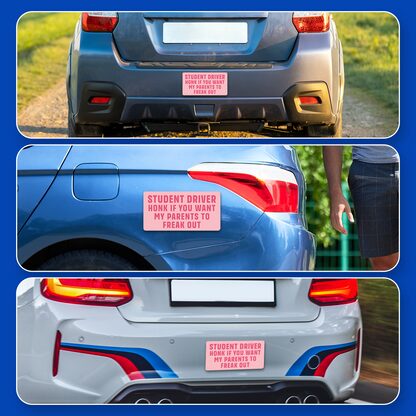
Learning to drive can feel exciting, stressful, and sometimes even overwhelming. New drivers often need extra patience from surrounding traffic while they gain confidence on the road. That’s exactly why many people use a student driver sticker on their vehicle.
These stickers help alert nearby drivers that someone behind the wheel is still learning. In many situations, they encourage other drivers to:
- maintain safer distance
- avoid unnecessary honking
- drive more patiently
- understand slower or cautious driving behavior
But while most people focus on the design or wording of the sticker, there’s another important factor many overlook:
The size.
The size of a student driver sticker plays a huge role in:
- visibility
- readability
- effectiveness
- appearance
- overall safety awareness
A sticker that’s too small may not be noticed at all. A sticker that’s too large may look awkward or block visibility.
So how big should a student driver sticker actually be?
Let’s break it down in a simple and practical way.
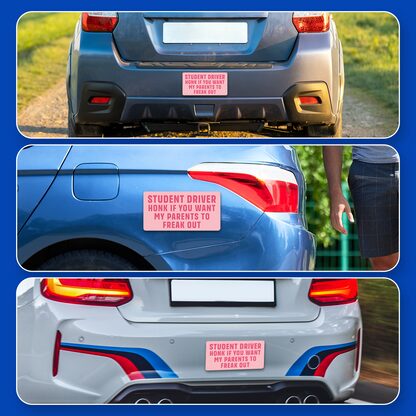
Why Sticker Size Matters
The main purpose of a student driver sticker is visibility.
Drivers behind the vehicle should notice the sticker quickly and clearly while driving.
If the sticker:
- blends into the vehicle
- has tiny text
- becomes difficult to read from distance
then it loses effectiveness.
A properly sized sticker helps communicate the message instantly without distracting other drivers.
That’s why choosing the right size is important for both functionality and appearance.
What Makes a Good Student Driver Sticker Size?
The ideal sticker size depends on several factors, including:
- vehicle type
- placement area
- viewing distance
- design style
- text readability
But generally, a good student driver sticker should:
- be easy to read from a safe driving distance
- remain noticeable without looking oversized
- fit naturally on the vehicle surface
The goal is balance.
The sticker should attract attention clearly without overwhelming the vehicle visually.
Most Common Student Driver Sticker Sizes
There’s no single “official” size, but certain dimensions are much more common because they work well for visibility.
Small Stickers (3–5 Inches)
Smaller student driver sticker designs are usually used for:
- side windows
- compact vehicles
- subtle appearance
These stickers may work for close-range visibility, but they can become difficult to read from farther distances.
They’re best for:
- temporary use
- minimal designs
- secondary placement
Medium Stickers (6–9 Inches)
This is the most common and practical size range.
Medium-sized stickers offer:
- strong visibility
- clear readability
- balanced appearance
without feeling too large.
These work especially well for:
- rear windshields
- rear bumpers
- SUVs
- sedans
- hatchbacks
For most vehicles, medium sizes provide the best balance between visibility and aesthetics.
Large Stickers (10 Inches and Above)
Larger stickers are typically used for:
- driving school vehicles
- commercial training vehicles
- trucks or large SUVs
These are highly visible but may look excessive for smaller personal vehicles.
Large stickers work best when maximum visibility is the top priority.
Viewing Distance Is Important
One major factor people forget is driving distance.
Drivers behind your vehicle may first notice the sticker from:
- several car lengths away
- highways
- parking lots
- intersections
That means the text must remain readable from a reasonable distance.
If the lettering is too small, drivers may not notice the message until they are already very close to the vehicle.
A slightly larger student driver sticker improves:
- reaction time
- awareness
- readability
especially in busy traffic.
Best Sticker Sizes by Vehicle Type
Different vehicles may need different sticker sizes.
Sedans
For standard sedans:
- 6–8 inch stickers usually work very well
These provide enough visibility without overpowering the vehicle.
SUVs and Crossovers
Larger rear windows allow slightly bigger stickers.
Recommended sizes:
- 7–10 inches
depending on placement and design.
Trucks
Pickup trucks and larger vehicles often benefit from:
- larger lettering
- wider designs
because of increased viewing distance and larger body size.
Compact Cars
Small cars generally look better with:
- medium-sized stickers
- cleaner minimalist designs
Oversized stickers may appear visually overwhelming.
Placement Also Affects Size
Sticker placement matters just as much as sticker dimensions.
Rear Window Placement
Rear windshields are one of the most popular locations.
Because glass areas are larger, medium-sized stickers usually work best here.
Rear Bumper Placement
Bumpers sit lower to the ground, so visibility may require:
- slightly larger text
- bold contrast
to remain noticeable.
Side Window Placement
Side windows typically require:
- smaller stickers
- compact layouts
to avoid blocking visibility.
Readability Is More Important Than Decoration
Many people choose decorative designs that sacrifice readability.
While creative graphics can look nice, the primary purpose of a student driver sticker is communication.
The message should remain:
- simple
- clear
- highly readable
from a distance.
Good stickers usually use:
- bold fonts
- high contrast
- minimal clutter
for maximum effectiveness.
Best Colors for Visibility
Color combination matters heavily for readability.
Popular high-visibility combinations include:
- black and yellow
- black and white
- red and white
These contrasts help drivers quickly recognize the message while driving.
Bright, high-contrast designs are easier to notice in:
- daylight
- rain
- traffic
- nighttime conditions
Magnetic vs Adhesive Stickers
Sticker type can also influence size preferences.
Magnetic Student Driver Stickers
Magnetic signs are often slightly larger because they’re designed for:
- temporary use
- higher visibility
- easy removal
These are popular for:
- family practice vehicles
- driving instructors
- shared cars
Adhesive Vinyl Stickers
Vinyl stickers tend to use:
- cleaner layouts
- medium sizing
- more permanent placement
They offer better long-term durability for everyday driving.
Why Oversized Stickers Can Be a Problem
Bigger isn’t always better.
Extremely large stickers can:
- block visibility
- look unprofessional
- overwhelm vehicle appearance
- distract other drivers
A good student driver sticker should feel noticeable but still balanced.
The best designs communicate clearly without becoming distracting.
Weather and Durability Matter Too
Outdoor conditions affect sticker visibility over time.
A high-quality student driver sticker should resist:
- sunlight
- rain
- fading
- peeling
Vinyl materials are especially popular because they:
- last longer
- maintain readability
- handle outdoor weather well
Poor-quality stickers may fade quickly, reducing visibility even if the size is correct.
Simple Designs Usually Work Best
The most effective student driver stickers are often the simplest.
Clean layouts with:
- large readable text
- high contrast
- minimal graphics
perform better than overly decorative designs.
Drivers behind the vehicle should understand the message instantly without struggling to read it.
What Size Is Best Overall?
For most personal vehicles, the ideal student driver sticker size is usually:
- around 6–9 inches wide
This size offers:
- excellent visibility
- clean appearance
- readable text
- balanced vehicle presentation
without looking excessive.
Of course, the perfect size may vary slightly depending on:
- vehicle size
- placement area
- design style
But medium-sized stickers remain the most practical choice for everyday driving.
Final Thoughts
Choosing the right size for a student driver sticker is about more than appearance.
The right size improves:
- visibility
- readability
- safety awareness
- driver communication
A sticker that’s too small may go unnoticed, while an oversized design may look distracting or awkward.
For most vehicles, medium-sized stickers with bold, readable text offer the best combination of visibility and clean design.
Whether used by:
- teen drivers
- new learners
- driving schools
- nervous beginners
a properly sized student driver sticker helps create a safer and more understanding driving environment.
And sometimes, a little extra patience from other drivers can make all the difference for someone learning the road.



 rahul rahul