james hat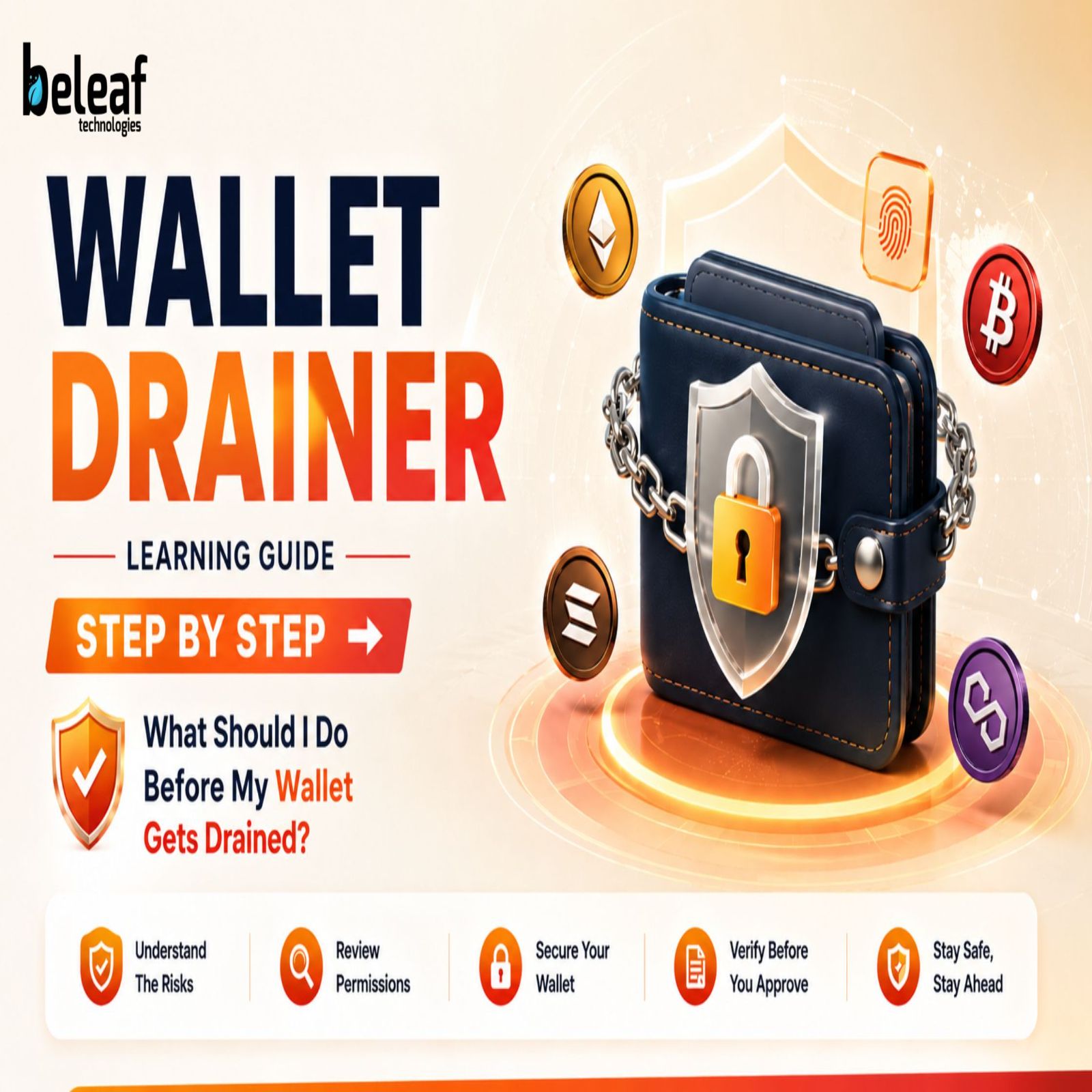
Table of Contents
Why Wallet Safety Should Start Early
Understanding How Wallet Drainer Scams Work
Step 1: Check Every Website Carefully
Step 2: Understand Wallet Approvals Before Signing
Step 3: Use Separate Wallets for Better Protection
Step 4: Monitor Wallet Activity Regularly
Step 5: Keep Learning About the Latest Scam Techniques
Building Safer Crypto Habits for the Future
Wallet drainer scams are becoming one of the biggest concerns for crypto users today. Many people enter the blockchain world with excitement, hoping to explore NFTs, DeFi platforms, Web3 applications, and digital investments. But while the crypto industry keeps growing rapidly, scammers are also becoming more advanced. A simple wallet approval, fake website, or phishing link can sometimes lead to serious financial losses before users even realize something is wrong.That’s why understanding wallet protection before facing any security issues is now becoming an essential skill in today’s crypto world .
Why Wallet Safety Should Start Early
A lot of people begin taking wallet security seriously only after facing scams or losing their digital assets . But smart crypto users understand that prevention is always better than recovery. Wallet drainer attacks usually happen because users unknowingly approve dangerous transactions or connect wallets to suspicious websites. Many phishing pages are designed to look professional and trustworthy, making it difficult for beginners to recognize warning signs immediately. This is why blockchain communities now educate users about wallet security risks before encouraging deeper participation in Web3 platforms. The more people learn early, the safer the blockchain ecosystem becomes for everyone.
Understanding How Wallet Drainer Scams Work
Most wallet drainer scams are based on manipulation rather than technical hacking. Attackers create fake decentralized applications, copied websites, or social media promotions that encourage users to connect their wallets quickly.After connecting the wallet, users might see transaction approvals that seem safe and legitimate at first glance . Behind the scenes, some requests may contain approval exploitation techniques that grant hidden permissions to attackers.In some cases, these hidden permissions may later provide access to tokens, NFTs, or digital assets without users clearly realizing the potential dangers . Cybersecurity educators often demonstrate malicious approval requests and simulate realtime wallet drain in decentralized applications for learning purposes. These controlled environments help users understand how suspicious wallet behavior appears in real situations.
Step 1: Check Every Website Carefully
One of the easiest ways to avoid wallet drainer attacks is by slowing down before connecting wallets. Many scam websites look almost identical to trusted blockchain platforms.Scammers often use minor spelling differences, fake social accounts, and duplicated website designs to mislead crypto users . Before connecting a wallet, users should verify the official domain, review community discussions, and avoid clicking random links from messages or advertisements. Taking a few extra seconds to verify a website can prevent major problems later.
Step 2: Understand Wallet Approvals Before Signing
Many users focus only on wallet connections, but approvals are often where the real danger exists. Some transaction requests secretly ask for unlimited token permissions or hidden smart contract access.New crypto users often confirm these requests too fast without carefully checking the transaction information . Understanding wallet permissions is becoming an important part of Web3 education. Reviewing every approval carefully can reduce phishing risks and improve long-term wallet safety. Learning before approving is always safer than reacting after problems happen.
Step 3: Use Separate Wallets for Better Protection
Experienced crypto investors rarely use one wallet for everything. Many people keep a separate wallet for long-term holdings while using another wallet for testing decentralized applications, NFT projects, or new blockchain platforms.This approach helps improve security by limiting damage if one wallet encounters risky or suspicious activity . Keeping multiple wallets organized also makes monitoring permissions and blockchain activity easier over time. Small safety habits often create stronger protection in the long run.
Step 4: Monitor Wallet Activity Regularly
Wallet protection should become a regular habit, not a one-time action. Modern blockchain security systems can now analyze wallet security vulnerabilities through suspicious transaction monitoring, wallet risk scoring, and AI-powered phishing detection. Some advanced platforms also provide security awareness dashboards that help users understand risky wallet behavior more clearly. Certain educational systems even use Crypto Wallet Drainer Software for cybersecurity and education training to explain automated draining behavior, suspicious wallet permissions, and malicious smart contract interactions safely within controlled environments. The purpose of these learning systems is to improve Web3 security awareness and help protect users before real attacks happen.
Step 5: Keep Learning About the Latest Scam Techniques
The crypto industry changes very quickly, and scammers continue creating new phishing methods every year. Fake NFT mints, copied wallet interfaces, social engineering tricks, and malicious smart contracts are becoming more advanced. Because of this, businesses now train employees to identify phishing attempts and suspicious blockchain behavior before problems grow larger. Organizations are also investing in safer blockchain infrastructure to protect users, prevent financial losses, improve platform reputation, and build secure Web3 ecosystems. Continuous learning is becoming one of the strongest forms of wallet protection.
Building Safer Crypto Habits for the Future
Crypto continues creating exciting opportunities across decentralized finance, digital ownership, blockchain gaming, and Web3 innovation. Millions of people are joining the crypto world searching for growth and financial freedom. But long-term success in blockchain technology is not only about investing wisely. It is also about understanding risks, protecting digital assets responsibly, and building smarter wallet habits over time. The more users learn about wallet drainer scams, suspicious approvals, phishing attacks, and blockchain security methods, the safer the future of Web3 becomes for everyone.In crypto, making careful decisions is often smarter than jumping into every new opportunity too quickly . Sometimes it is slowing down, understanding the risks carefully, and protecting your wallet before problems even begin.


 Gayathri Digital
 Sri dharan