Plumr Uk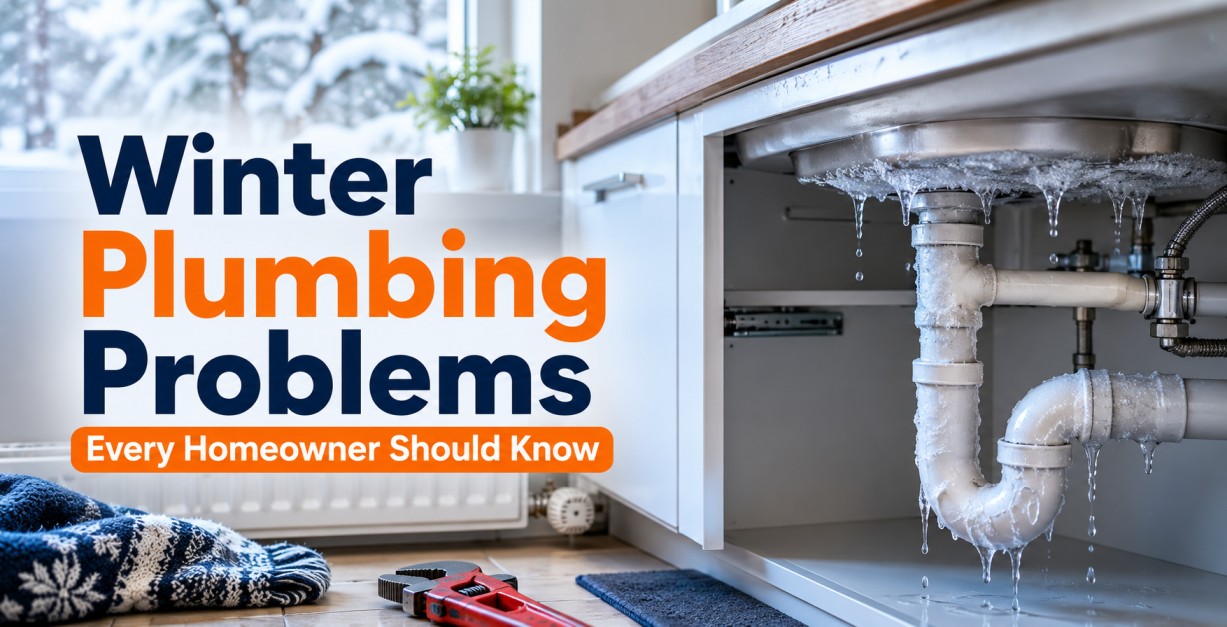
Winter can be rough on a house. Pipes creak more, boilers suddenly start acting strange, and little plumbing issues that seemed harmless in autumn somehow become full-blown disasters by January. A lot of homeowners only start thinking about winter plumbing problems once the temperature drops and something stops working. Usually at the worst possible time too. Like early morning before work when there’s no hot water and the kitchen feels freezing.
Cold weather has a habit of exposing weak spots in plumbing systems. Tiny leaks become bigger, frozen pipes appear out of nowhere, and heating systems work overtime trying to keep homes warm. Older UK homes especially struggle during colder months because many still have ageing pipework hidden behind walls and under floors.
I remember one winter where a neighbour’s outdoor pipe froze overnight and burst before sunrise. Water everywhere. The driveway looked like a mini skating rink by lunchtime. Not exactly the peaceful winter morning they had planned.
Why Winter Causes So Many Plumbing Problems
During freezing temperatures, water inside pipes can expand as it turns to ice. That pressure builds up quickly inside the pipework, sometimes causing cracks or complete pipe bursts. And the annoying part is the damage often appears after the ice melts rather than during the freeze itself.
Cold weather plumbing problems also affect boilers, radiators, drains, and water pressure. Systems work harder throughout winter, so even small weaknesses become noticeable much faster.
Homes with poor insulation tend to face more trouble. Loft pipes, garages, basements, and outdoor taps usually take the biggest hit once temperatures really drop.
Burst Pipes in Winter
Burst pipes in winter are probably one of the most expensive plumbing emergencies homeowners deal with.
A frozen pipe doesn’t always burst immediately. Sometimes the ice blocks water flow first, creating pressure behind it. Once the blockage expands enough, the pipe can crack open suddenly. And honestly, it doesn’t take a huge crack to cause major water damage.
Signs of frozen or damaged pipes include:
- Reduced water flow
- Strange gurgling sounds
- Frost on exposed pipes
- Damp patches on walls
- No water from taps
If a pipe freezes, turning up the heating slightly and warming the area slowly usually helps. Hairdryers are commonly used, though open flames should never go near frozen pipes. Sounds obvious, but people still try it.
Boiler Problems During Winter
Boilers seem to know exactly when you need them most before deciding to stop working.
Winter boiler repair London callouts rise massively during cold spells because heating systems run constantly. Low pressure, frozen condensate pipes, trapped air, thermostat faults — winter puts extra stress on the whole system.
Some warning signs appear early:
- Strange banging noises
- Radiators staying cold
- Boiler pressure dropping
- Pilot light problems
- Hot water turning inconsistent
A qualified heating engineer London homeowners trust can usually spot issues before complete breakdown happens. Regular servicing helps too. Skipping annual boiler checks might save money short term, though it rarely ends well later.
Especially during January.
Pipe Insulation Helps More Than People Think
Pipe insulation tips sound boring until you actually deal with frozen pipes at 2am.
Lagging exposed pipes helps protect them from freezing temperatures, especially in lofts, garages, utility rooms, and outside walls. Foam insulation is relatively cheap compared to repairing water damage afterward.
Outdoor taps should also be covered or isolated during extreme cold weather. They’re often forgotten completely until something leaks.
And small draughts matter more than people realise. Cold air sneaking through gaps around pipes can freeze sections surprisingly quickly overnight.
Heating and Plumbing Issues Often Happen Together
A lot of heating and plumbing issues overlap during winter.
Low boiler pressure might link to hidden leaks. Frozen condensate pipes can shut boilers down completely. Air trapped inside radiators affects heating efficiency while increasing strain on the system overall.
People sometimes focus only on the boiler itself while ignoring the wider plumbing system connected to it.
One homeowner I spoke with kept resetting their boiler daily without realising a small leak under the floor was slowly dropping system pressure. Took weeks before the actual problem got discovered.
Blocked Drains Become Worse in Cold Weather
Blocked drains are already unpleasant. Winter somehow makes them worse.
Grease hardens faster in colder temperatures, slowing drainage and creating blockages inside kitchen pipes. Outdoor drains can also freeze or clog with leaves and debris after heavy rain and frost.
Typical warning signs include:
- Slow draining sinks
- Bad smells near drains
- Gurgling noises
- Overflowing outdoor drains
Hot water sometimes clears minor grease buildup, though stubborn blockages usually need proper drain cleaning.
Emergency Plumbing Winter Callouts Increase Every Year
Emergency plumbing winter services stay incredibly busy once freezing weather arrives. Burst pipes, leaking boilers, frozen tanks, broken radiators — cold temperatures create chaos for plumbing systems.
And these problems rarely happen conveniently during office hours either.
Having a trusted plumber saved in your phone before winter starts honestly makes life easier. Searching for emergency help while standing ankle-deep in freezing water isn’t ideal.
Not a relaxing evening.
Winter Plumbing Repairs Can Get Expensive
Small plumbing issues often become costly repairs once freezing weather arrives.
A tiny leak hidden behind a wall during autumn may seem harmless. After weeks of freezing temperatures and extra pressure on the system though, damage spreads quickly. Damp plaster, warped flooring, mould growth — repair costs rise fast.
Preventive maintenance usually costs far less than emergency repairs later. Even simple checks around exposed pipes and boiler pressure can help spot problems early.
Simple Ways to Reduce Winter Plumbing Problems
A few basic habits can reduce the chances of winter plumbing trouble:
- Keep heating on low during freezing nights
- Insulate exposed pipes
- Bleed radiators if needed
- Fix small leaks early
- Service the boiler yearly
- Clear outdoor drains regularly
- Disconnect garden hoses in winter
None of it feels exciting, admittedly. Though it’s far less stressful than emergency repairs during a cold February evening.
FAQs
1. Why do pipes burst more often in winter?
Water expands when it freezes inside pipes, creating pressure that can crack or burst the pipework.
2. What temperature causes pipes to freeze?
Pipes can begin freezing when temperatures drop below 0°C, especially exposed outdoor or loft pipework.
3. How can I stop pipes freezing overnight?
Keeping heating on low and insulating exposed pipes helps reduce freezing risk during very cold nights.
4. What should I do if my boiler stops working in winter?
Check boiler pressure, thermostat settings, and frozen condensate pipes first. If problems continue, contact a qualified heating engineer.
5. Are frozen pipes dangerous?
Yes. Frozen pipes can burst and cause major water damage once they thaw.
6. How much does winter plumbing repair cost in the UK?
Costs vary depending on the issue, though emergency pipe repairs and boiler breakdowns can become expensive during winter.
7. Can cold weather affect boiler pressure?
Yes. Lower temperatures sometimes affect system pressure, especially if leaks or frozen pipes are present.
8. When should I call an emergency plumber in winter?
Call a plumber immediately if you notice burst pipes, major leaks, no heating, or frozen plumbing affecting water supply.


 yolo247club club
 Win Match365