Mark Wood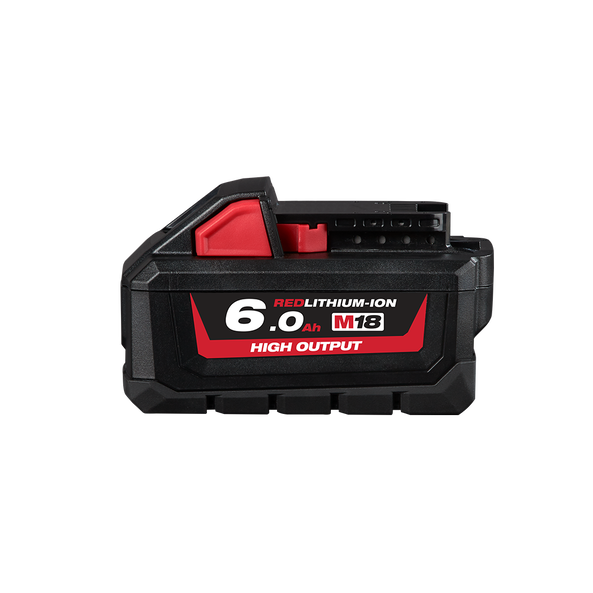
https://blogingers.com/Confined spaces present unique obstacles that can quickly turn a simple cutting task into a complicated operation. In many cases, there is little room to maneuver tools or reposition materials. Workers may need to operate from uncomfortable positions while maintaining full control over the cutting process.
Visibility is another major concern. Shadows, limited lighting, and obstructed sightlines can make it difficult to accurately mark and follow cutting lines. In addition, nearby pipes, wiring, ducts, and structural elements often leave little margin for error.
The consequences of mistakes are usually more severe in confined areas. An inaccurate cut may damage surrounding materials, require costly repairs, or create delays that affect the entire project timeline. This is why professionals place such a strong emphasis on preparation and precision before making any cut.
Planning Before Cutting
One of the biggest differences between professionals and inexperienced workers is the amount of planning that occurs before any cutting begins. Skilled tradespeople understand that rushing into the task often leads to mistakes.
The first step typically involves assessing the workspace. Professionals examine the surrounding environment, identify potential obstacles, and determine the safest cutting path. They evaluate whether nearby electrical wiring, plumbing systems, or structural components could be affected by the operation.
Accurate measurements are then taken to ensure the cut meets project requirements. Many professionals double-check measurements before marking the material. This extra step may seem simple, but it significantly reduces the likelihood of costly errors.
In confined spaces, planning also includes determining how waste material will be removed and whether additional access points are needed to complete the task safely.
Choosing the Right Tool for the Job
Precision cutting is heavily influenced by tool selection. Experienced professionals understand that no single tool is ideal for every situation. Instead, they choose equipment based on the material being cut, available space, and required level of accuracy.
Compact tools are often preferred in tight locations because they allow better control and maneuverability. A large cutting tool may provide more power, but it can become difficult to operate effectively when working around obstacles.
Professionals also consider factors such as blade size, cutting speed, vibration levels, and overall weight. These characteristics directly affect precision, especially when working in restricted areas where every movement matters.
For many remodeling and demolition tasks, compact reciprocating saws such as the 6 amp milwaukee battery are valued for their ability to reach difficult locations while maintaining control during cutting operations.
Proper Lighting Makes a Difference
Lighting is frequently overlooked, yet it plays a critical role in precision work. Even highly skilled professionals can struggle to achieve accurate cuts when visibility is poor.
Temporary work lights, portable LED systems, and head-mounted lighting solutions are commonly used to illuminate confined spaces. Proper lighting helps workers clearly see cutting lines, identify hidden obstacles, and maintain control throughout the process.
Good lighting also improves safety by reducing the likelihood of accidental contact with nearby components. In environments where electrical systems are present, visibility becomes even more important.
Many professionals invest in high-quality lighting equipment because they recognize that precision often begins with being able to see the work area clearly.
Maintaining Stability During Cutting
A steady hand is essential for accurate cutting. However, confined spaces often make it difficult to maintain proper body positioning and tool control.
Professionals address this challenge by creating stable working conditions whenever possible. They secure materials before cutting and use supports to minimize movement. In situations where materials cannot be clamped, workers carefully brace themselves to maintain consistent control.
Controlling vibration is another important consideration. Excessive vibration can cause tools to wander away from the intended cutting path, reducing accuracy and increasing the risk of mistakes.
Experienced tradespeople focus on smooth, controlled movements rather than forcing the tool through the material. This approach produces cleaner cuts and helps prevent unnecessary wear on blades and equipment.
Using the Right Blade
The blade is often just as important as the tool itself. Professionals understand that different materials require different blade designs and cutting characteristics.
Wood, metal, plastic, drywall, and composite materials all respond differently to cutting forces. Selecting the appropriate blade helps ensure efficient material removal while maintaining precision.
Using an incorrect blade can result in rough edges, excessive vibration, slower progress, and premature blade wear. In some cases, it can even damage the material being cut.
Professionals routinely inspect blades before beginning work. Dull or damaged blades are replaced immediately because they reduce cutting accuracy and increase the effort required to complete the task.
Controlling Dust and Debris
Confined spaces tend to trap dust and debris, creating additional challenges during cutting operations. Accumulated particles can obscure visibility, affect air quality, and interfere with precision.
To maintain a clean workspace, professionals often use dust extraction systems, portable vacuums, and containment methods. These solutions help improve visibility while reducing cleanup time.
Debris management is especially important when cutting overhead or in enclosed environments where particles can quickly accumulate. Keeping the workspace clean allows workers to focus on accuracy rather than constantly clearing obstructions.
A clean work area also contributes to safer working conditions and helps maintain project efficiency.
Prioritizing Safety Without Sacrificing Precision
Safety and precision are closely connected. Professionals understand that unsafe practices often lead to mistakes, injuries, and damaged materials.
Personal protective equipment such as safety glasses, gloves, hearing protection, and dust masks is commonly used during cutting operations. Depending on the environment, additional protection may also be required.
Before beginning any cut, professionals identify potential hazards and establish a safe working strategy. They verify that utilities are properly isolated when necessary and ensure surrounding materials are protected.
Rather than viewing safety measures as obstacles, experienced workers recognize them as essential components of achieving accurate and reliable results.
Experience and Technique Matter Most
While modern tools have made precision cutting easier, professional results still depend heavily on skill and experience. Techniques developed through years of practical work allow tradespeople to handle challenging situations effectively.
Experienced professionals know how different materials behave under cutting forces. They understand when to slow down, when to adjust angles, and how to compensate for difficult working conditions.
This knowledge enables them to achieve accurate results even in environments where access is limited and mistakes are costly. Precision cutting in confined spaces is rarely about speed alone. It is about making informed decisions that produce clean, controlled, and repeatable outcomes.
Conclusion
Precision cutting in confined spaces requires a combination of preparation, proper tools, effective lighting, stable positioning, and strong technical skills. Professionals approach these tasks with a clear understanding of the challenges involved and follow proven methods to maintain accuracy under difficult conditions.
By carefully planning each cut, selecting the right equipment, maintaining visibility, and prioritizing safety, skilled tradespeople consistently achieve high-quality results. Their success is not based on luck or guesswork but on disciplined techniques developed through experience.
As construction and renovation projects continue to evolve, the ability to perform precise cuts in restricted environments remains an essential skill. Professionals who master this capability deliver better workmanship, reduce costly errors, and ensure projects are completed efficiently and safely.


 Patel Services Pty Ltd
 CG Trading