CG Trading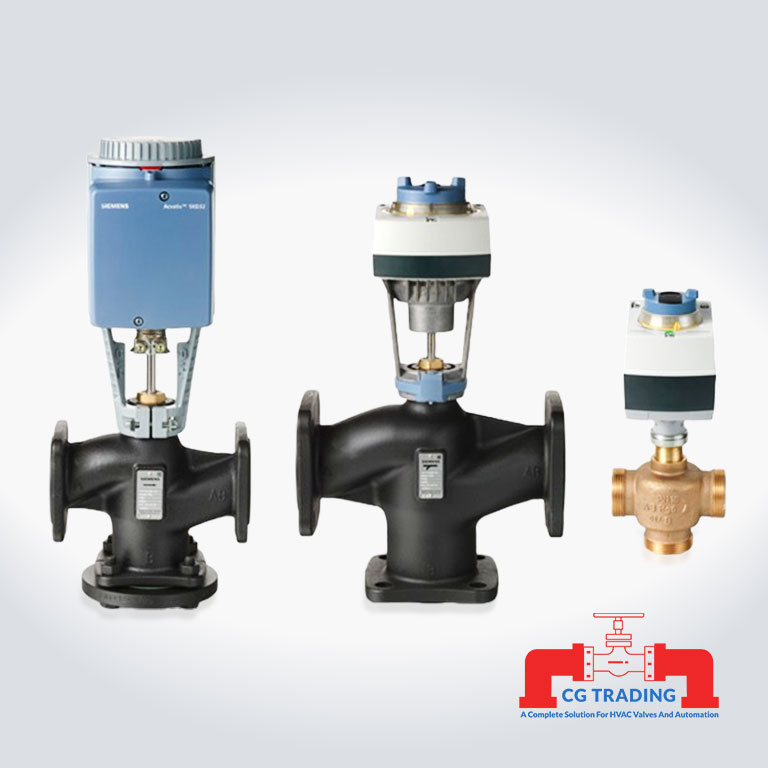
Not every piping problem can be solved with a simple on-off valve. Some systems need to split one flow into two paths. Others need to blend two different fluids before they move forward in the process. Doing this with multiple standard valves means more fittings, more connections, and more places where something can go wrong. A 3-way globe valve handles this in one unit. Three ports, one body, and the ability to either mix or divert fluid depending on how the system needs it. That is a useful thing in industrial piping, which is why these valves appear so often in heating systems, chemical plants, water treatment facilities, and steam networks. If you are trying to understand what this valve actually does, when it is important to use one, and what to look for when buying, this article covers all of it.
What Makes It Different from a Regular Valve
A standard globe valve has two ports. Fluid comes in one side and leaves from the other. The disc inside moves up and down to control how much passes through. Simple and effective for a single flow path. A 3-way globe valve has three ports connected to the same body. The internal plug still moves the same way, but its position now determines how fluid is distributed across three openings rather than two. This one difference changes what the valve can do entirely. Instead of just controlling one flow, it manages the relationship between three connections simultaneously. That is what makes it useful for applications where standard valves fall short.
Industries That Use These Valves and Why
The 3-way globe valve shows up across many industries, and each one uses it for a practical reason that a simpler valve could not address as cleanly. Here are the most common applications:
- Heating and cooling networks use these valves at heat exchangers’ inlets to manage the temperature of incoming fluid. By adjusting the mix of hot supply and cooler return water, the valve keeps the output temperature steady without the boiler constantly switching on and off.
- Steam distribution systems use them to direct steam to active equipment while blocking it from lines that are offline or under maintenance, with one valve doing the routing work that would otherwise need multiple components.
- Water treatment facilities use them to redirect flow between filtration stages or around a filter that needs backwashing, without shutting the entire system down.
- Oil and gas processing uses them in temperature control loops where blending streams at different temperatures keeps the process within the required operating range.
Across all of these, the reason is the same: one valve doing what two or more would otherwise need to do, with better control and fewer connections in the pipeline.
Benefits of 3-Way Globe Valve
Before committing to any valve type, it is important to know the benefits of the valve. Here is a simple look at where 3-way globe valves perform well:
- One valve replaces two, which means fewer joints, fewer potential leak points, and a cleaner installation overall
- Well-suited for throttling, holding flow at a precise intermediate position, something many other valve types do not handle as naturally
- Seals reliably when closed, which matters in systems where backflow or cross-contamination between streams is a concern
- Handles high-pressure and high-temperature services without difficulty
- Available with manual handwheel or automated pneumatic and electric actuation, depending on what the system needs
Knowing these limitations upfront makes it easier to decide whether a 3-way globe valve is the right fit or whether another valve type would serve the application better.
Conclusion
A 3-way globe valve is widely used in many industries to regulate the flow of liquids and gases more smoothly within industrial systems. It is useful in applications where mixing or diverting flow is needed without making the pipeline setup very complicated. These valves are widely used in HVAC, steam lines, chemical plants, and process industries for better flow control and reliable operation. When it comes to industrial 3-way globe valve systems and other valve solutions that need to last for years, companies lean on trusted manufacturers like CG Trading.
FAQ’s
What is the main difference between a 2-way and a 3-way globe valve?
A 2-way globe valve controls flow in a single line, one inlet, one outlet, open or closed. A 3-way globe valve has three ports, and either mixes two incoming streams into one outgoing flow or diverts one incoming stream between two outlets. It handles what two separate 2-way valves would otherwise need to do, in a single body with fewer connections and less complexity in the pipeline.
Can a 3-way globe valve be used for both mixing and diverting?
No. The internal design is built for one function or the other, and they are not interchangeable. The plug and seat arrangement inside a mixing valve is different from that of a diverting valve. Ordering the wrong configuration means the valve will not distribute flow the way the system requires. Always confirm which arrangement the application needs before placing an order.
How do I choose the right material for a 3-way globe valve?
Start with what the valve will be handling. Stainless steel is the right choice for corrosive fluids, food-grade applications, or anywhere contamination is a concern. Carbon steel suits higher-pressure general industrial service with non-corrosive media. Cast iron works for lower pressure, non-critical applications. For very high temperatures, alloy steel grades are specified. A supplier with experience in your specific industry will confirm the appropriate material based on your actual operating conditions.
How is a 3-way globe valve different from a 3-way ball valve?
Globe valves are designed for throttling; they hold flow accurately at intermediate positions, not just fully open or fully closed. Ball valves are quarter-turn and best suited for open or closed duties. When an application requires fine, repeatable adjustment of the flow ratio between ports, a globe valve handles this better. Ball valves have lower pressure drop but do not offer the same precision for intermediate flow control.


 Adam John
 Connect 4 Compliance