Ceracin Pvt Ltd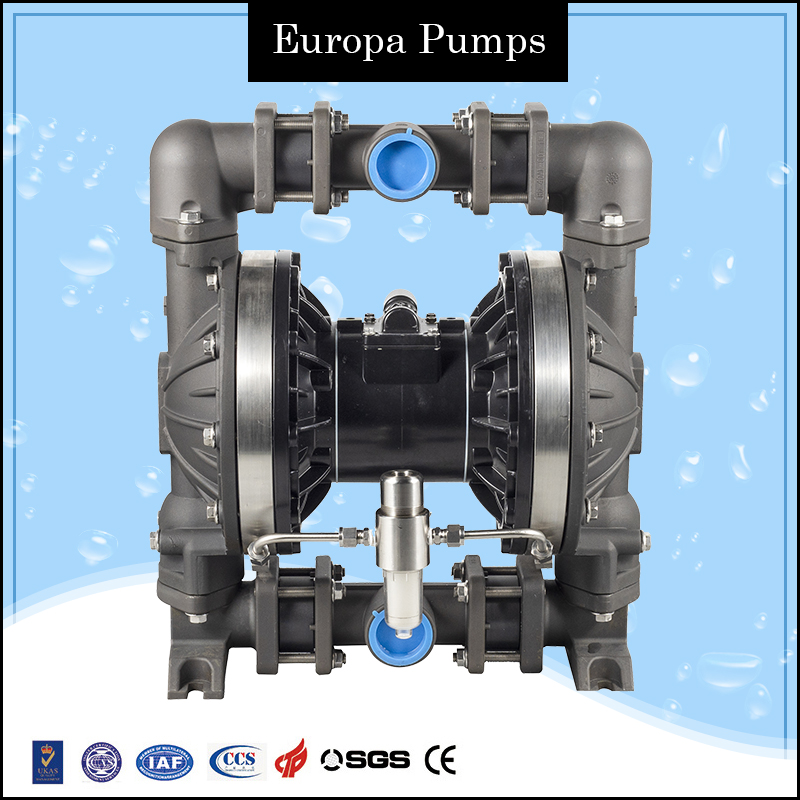
Moving nasty, thick, or gritty fluids around a factory is a difficult task. If you have ever watched a standard electric pump choke on a batch of sludge, leak harsh chemicals all over the floor, or burn out because it ran dry for two minutes, you know the pain. Regular pumps are fragile, and they expect clean, thin water. But industrial life is messy, and that is exactly why so many plant managers rely on an AODD pump. These machines are the rough-and-tumble workhorses of the fluid world. They run on plain compressed air; they do not have motors that spark, and they can easily work with some of the nastiest liquids you can throw at them. If your operation is tired of burnt-out motors and leaking seals, you need to understand how this equipment works.
What is an AODD Pump?
Instead of using an electric motor to spin an impeller inside the liquid, this pump uses compressed air to flex a pair of rubbery membranes back and forth. Those membranes are the diaphragms. The air pushes on the back of one diaphragm, which squeezes the liquid out of that side. At the same time, the other diaphragm pulls back, sucking new liquid in. They constantly trade places. Because the compressed air and the liquid never touch each other, the messy stuff stays completely sealed inside. There are no spinning parts to jam, and no spinning shafts that need tricky seals to keep the liquid from leaking out.
How Does an AODD Pump Actually Work?
The working of the pump is very simple, and it is totally linked with the reciprocating actions of the two diaphragms connected with a central shaft. The working of the pump is as follows:
- The Squeeze: Compressed air enters the middle of the pump and pushes against the left diaphragm. As that diaphragm pushes outward, it squeezes the liquid out of the left chamber and up the discharge pipe.
- The Pull: In between the two diaphragms is a rod, so when the left one pushes out, the right one gets pulled in. The pull creates a vacuum in the right-hand chamber, and liquid is sucked in through the inlet pipe.
- The Switch: The air valve shifts direction, and the air pushes the right diaphragm outward to squeeze the liquid out, and pulls the left diaphragm back to suck more liquid in.
The AODD pump just goes back and forth, constantly taking turns. The result is a steady stream of fluid coming out of the pipe, powered entirely by your air compressor.
Where These Pumps Are Used
You will find these pumps doing the work in places where standard pumps would catch fire or corrode into dust. These pumps are used in the following areas:
- Mining and Slurry: Moving thick mud, sand, and gritty water out of a mine pit. The pump can handle rocks and grit rubbing against the insides without tearing up the works.
- Chemical Plants: Pumping aggressive acids and solvents. Since there is no electricity at the pump, there is zero chance of a spark setting off a fire or explosion.
- Paint and Ink: Moving heavy, thick paints. The gentle squeezing action does not beat up the paint or change its colour.
- Food and Beverage: Transferring thick jams, pie fillings, or syrups. Special food-grade models use sanitary metals and rubbers that are easy to wash out.
AODD pumps are widely used because of their flexibility and durability. These pumps are used in industries that regularly deal with handling difficult, thick, or sensitive fluids in their daily operations.
Benefits of an AODD Pump
No piece of equipment is perfect. Before you buy one, you need to know the good and the bad. Before using this pump, you should know all the benefits of using it. Let’s discuss some of the benefits of using this pump:
- Cannot Stall Out: If the discharge pipe gets totally blocked, the pump just stops pushing. It will not burn out or overheat. Clear the blockage, and it starts right back up.
- Runs Dry Safely: If the supply tank empties out, the pump just bounces on air. It does not hurt the machine at all.
- Explosion Proof: No electricity means no sparks. This makes them the absolute top choice for flammable environments.
- Self-Priming: They can pull liquid up from a tank sitting below them without you having to manually pour fluid into the line first.
These AODD pumps are a reliable choice for many benefits because of these practical benefits. Industries that prefer safe, low-maintenance and trouble-free handling systems, this is the best choice for them.
Conclusion
An AODD pump is a simple, tough, and flexible option for moving liquids in many industries. Whether you’re handling chemicals, sludge, paint, or food‑grade fluids, it runs on air, can handle solids, and won’t break if it runs dry. This makes it easy to use, easy to maintain, and reliable for day‑to‑day work. If you need help choosing the right size and material for your plant, Ceracin can share clear options and product details that match your fluid transfer needs.
FAQ’s
Q. Can an AODD pump run dry without getting damaged?
Ans. Yes, it can. Unlike electric pumps that overheat and melt their seals when they run out of liquid, an AODD pump just runs on air. It will not hurt the pump at all, which makes it incredibly forgiving on a busy factory floor.
Q. Do I need electricity to run an AODD pump?
Ans. No, you do not. The pump runs entirely on compressed air. This is exactly why they are so popular in explosive or flammable areas where an electric spark could cause a disaster.
Q. What kind of maintenance does an AODD pump require?
Ans. Maintenance is very simple. The only parts that actually wear out over time are the rubber diaphragms, the ball valves, and the O-rings. You just swap out a cheap service kit periodically, and the pump is good as new. No complicated motor repairs are needed.
Q. How do I control the speed of the pump?
Ans. You control the speed by adjusting the air supply. If you open the air valve more, the pump strokes faster and moves more fluid. If you want it to slow down, you just dial back the air pressure. It is extremely easy to manage on the fly.

 Amson Transformers
 Orione Hydropower