Bemco Pvt. Ltd.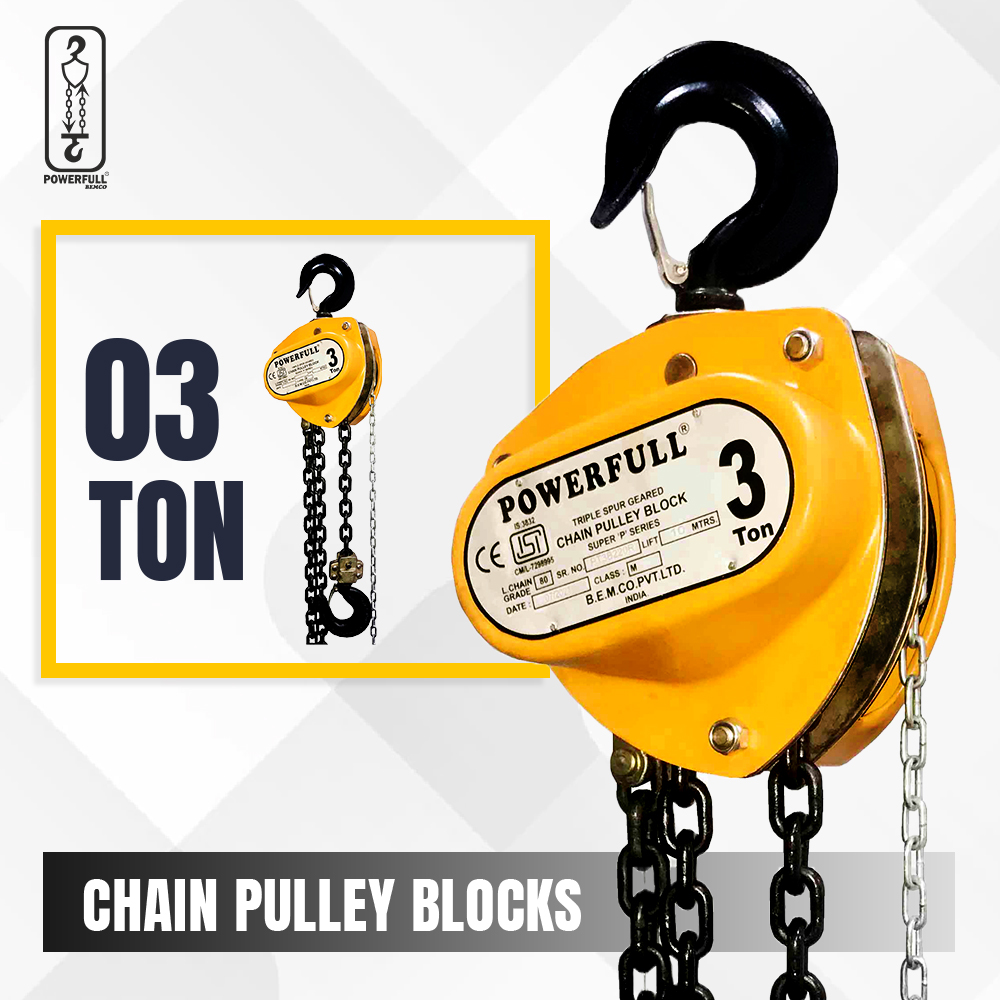
On the workshop floor, a manual chain hoist is one of those tools that does not shout but still earns its place. When engines, gearboxes, or packed goods need to move up and down, the hoist saves backs and time. It is hand‑operated, so it works in places where power is limited or unreliable, and it fits well into small workshops and light‑duty warehouses.
What a Manual Chain Hoist Is Meant To Do
It is used to lift and lower heavy loads by pulling a chain by hand. It lets the operator move the load slowly and in small steps, so lifting feels less of a strain and more under control.
The tool is straightforward, and that is part of its value. It is not meant to do everything. It is meant to lift safely, hold steadily, and lower smoothly. In many workspaces, that is exactly what is needed.
A good hoist also helps workers work with a little more confidence. When the load is under control, the job feels less rushed and less risky. That matters in places where one careless move can slow down the whole day.
Why Garages Need It
Garages deal with heavy parts all the time. Engines, vehicle components, repair tools, and large assemblies are not easy to move by hand. A chain hoist makes those jobs easier to manage and safer to handle.
When a part needs to be lifted slowly and set in gently, this hoist really helps. Instead of rough‑handling the piece, operators can let the hoist take the strain and guide the load into place. That means fewer mistakes and less physical effort.
It also saves room. Garages are usually crowded, so a compact lifting tool often makes more sense than bulky equipment. When space is limited, simple equipment usually proves more useful than large machines that take time to move around.
There is another practical side to it. In many garages, the work changes from one job to another through the day. A manual chain hoist fits into that kind of routine because it can be used when needed and set aside when the job is done. No complicated setup. No waiting around.
Why Warehouses Need It
It works well in narrow spaces or in corners where larger lifting machines may not fit. That gives warehouse teams more flexibility in the way they handle material. For a place that handles different kinds of goods, that flexibility is often the difference between a smooth shift and a difficult one.
It also helps reduce the risk of injury. Heavy items are easier to control with a hoist than by hand, and that matters when the work never really slows down. Workers do not have to force every lift, and that can make a big difference over time.
Warehouses also benefit from tools that are easy to bring in and use without much fuss. A manual chain hoist does not ask for much. It just needs to be in good condition, used properly, and matched to the job at hand.
Safety and Maintenance
In a small garage, safety is a strong reason to have a chain hoist. Trying to lift engines, gearboxes, or heavy tools by hand can lead to a pulled back, a dropped part, or a bad fall. A hoist gives a simple, steady way to move the load, and that makes the bay a bit safer every day.
It also handles awkward or uneven loads better than manual lifting alone. The movement is slower and steadier, so the load is less likely to shift suddenly. That kind of control is useful whether the job is in a garage, a warehouse, or a small workshop.
Maintenance is fairly simple too. Since the hoist does not depend on electricity, there are fewer parts involved in everyday use. With regular inspection and proper care, it can stay reliable for a long time. That is one of the reasons people still trust it in busy work settings.
A quick check before use goes a long way. The chain should move properly, the hooks should be in good shape, and the tool should feel solid before any load is lifted. Small checks now save trouble later.
Why It Matters
Lifting tools are not meant to look good on paper; they should work well on the floor. Build quality decides how long a hoist will last and how safely it will perform. Chain hoists are built for industrial use, with strength, durability, and everyday performance in mind. In a busy workshop or warehouse, a simple, well‑built hoist is usually more useful than a fancy one that breaks down quickly.
The real test of a hoist is not how it looks on paper. It is how it behaves when work gets busy. If it lifts cleanly, holds well, and stays reliable after repeated use, then it has done its job. That is the kind of result most businesses are looking for.
Choosing the Right One
Not every lifting job is the same, so the hoist should match the work. The load capacity should suit the weight being handled, and the build should be strong enough for regular use. A tool that feels awkward or underpowered will only slow things down.
It also helps to think about the actual working area. Some places need a small hoist that does not take up much space, while others need one built for heavier, more frequent lifting. The right selection usually follows from practice, not just the technical details.
In simple terms, the best hoist is the one that fits the work without creating extra trouble. That usually means good strength, smooth operation, and easy handling.
Everyday Use on the Floor
A manual chain hoist fits into daily work because it is simple to use and easy to trust. It can help during repair jobs, maintenance work, storage tasks, and material handling. In places where people are lifting all the time, a tool like this saves effort and keeps the work moving.
It also helps create better habits on the shop floor. Workers are more likely to lift carefully when the tool gives them control. That may sound small, but over time it adds up. Fewer mistakes, fewer injuries, and less strain all matter.
A tool does not need to be complicated to be useful. Sometimes the plain ones are the ones people depend on the most.
Conclusion
A manual chain hoist may look basic, but it adds an important safety layer in daily work. It lets the operator lift heavy loads step by step, without rushing or losing control. That makes servicing engines, shifting gearboxes, or moving motors easier and safer. For places that need occasional lifting without big cranes, it is a practical add‑on.
Whether the task involves repair, storage, maintenance, or material handling, the hoist brings control to work that would otherwise be difficult. That is why it remains a useful tool in many industrial spaces. It is not flashy, but it earns its place by doing the job right, day after day.
FAQ
Q. What is a manual chain hoist used for?
Ans. It is used to lift and lower heavy loads safely and with better control.
Q. Why is a manual chain hoist useful in garages?
Ans. It helps lift engines, vehicle parts, and repair equipment without putting too much strain on workers.
Q. Can a manual chain hoist be used in warehouses?
Ans. Yes, it works well for shifting, stacking, and handling heavy materials.
Q. Does a manual chain hoist need electricity?
Ans. No, it works manually and does not require power.
Q. What should I look for when buying a manual chain hoist?
Ans. Look for strong build quality, smooth operation, proper load capacity, and long-term durability.
Explore BEMCO’s range of manual chain hoists at https://www.bemco.in/ and choose the right model to lift smarter, safer, and without extra strain on your workshop floor.


 rayde nalice
 Singh's Cranbourne