Jeena Sikho HiiMS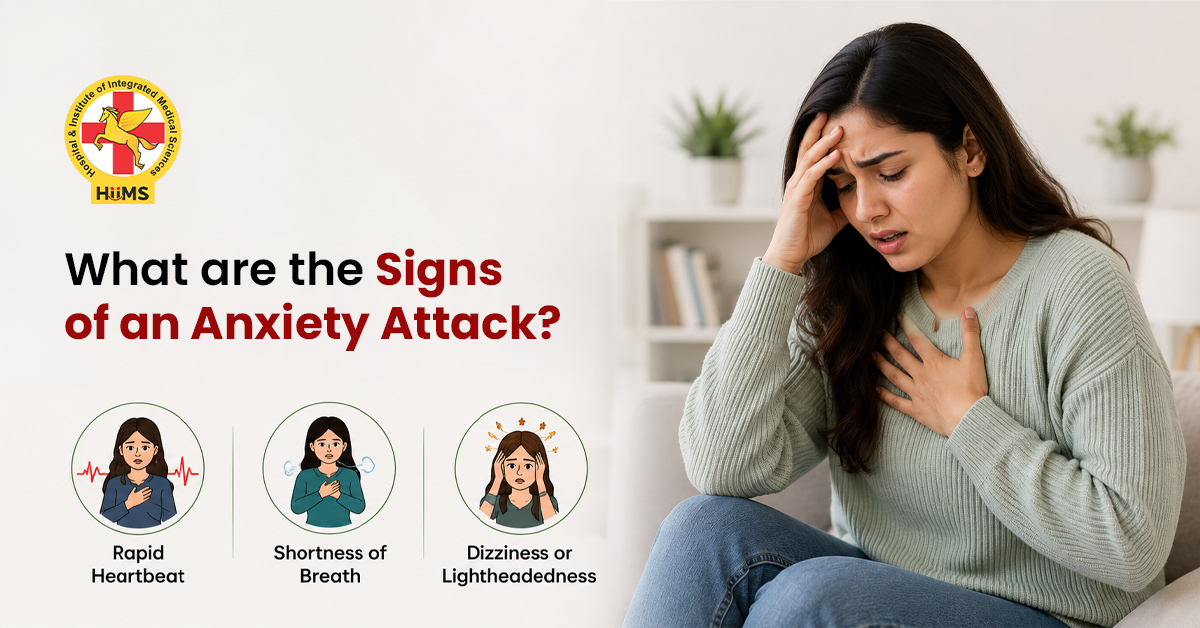
Anxiety is a common experience that many people face during stressful situations. While occasional anxiety is a natural response to challenges, intense and sudden episodes can feel overwhelming. These episodes are often known as anxiety attacks. Understanding the signs of anxiety attack is important because early recognition can help individuals manage symptoms more effectively and seek appropriate support when needed.
An anxiety attack can affect both the mind and body. Some people experience physical symptoms such as a racing heart, while others notice emotional symptoms like fear and restlessness. At Jeena Sikho HiiMS, a balanced approach that combines lifestyle management, counselling support, and Ayurvedic therapies is encouraged to promote overall well-being.
In this blog, we will discuss the common signs of anxiety attack, possible causes, and natural ways to support mental wellness.
What Are the Signs of Anxiety Attack?
The signs of anxiety attack can appear suddenly and may vary from person to person. Some individuals experience mainly physical symptoms, while others notice emotional and behavioral changes.
Recognizing these signs early can help reduce fear and confusion during an episode.
1. Rapid Heartbeat
One of the most common signs of anxiety attack is a fast or pounding heartbeat. A person may feel as if their heart is racing even when they are resting.
This reaction happens because the body activates its natural stress response, preparing itself to deal with a perceived threat.
2. Shortness of Breath
Many people experiencing an anxiety attack report difficulty breathing. They may feel as though they cannot take a deep breath or get enough air.
This symptom can increase feelings of panic, making the situation feel more intense.
3. Chest Tightness or Discomfort
Chest tightness is another common symptom. Some individuals may mistake this feeling for a heart-related issue because the discomfort can feel significant.
Although anxiety-related chest tightness can be frightening, it is often linked to stress and muscle tension.
4. Excessive Sweating
Sudden sweating without physical activity is often one of the noticeable signs of anxiety attack.
Why Does It Happen?
When the body enters a stress response, it releases hormones that may increase sweating as part of the body’s natural reaction.
5. Shaking or Trembling
Anxiety attacks can sometimes cause visible shaking in the hands, legs, or other parts of the body.
This occurs because the body’s nervous system becomes highly active during periods of intense anxiety.
6. Dizziness or Lightheadedness
Feeling dizzy or unsteady is another common symptom.
Some individuals may feel as though they are about to faint, even though they remain fully conscious. This sensation can increase fear and make the attack feel more overwhelming.
7. Sudden Fear or Panic
One of the strongest emotional signs of anxiety attack is a sudden feeling of fear.
The fear may appear without a clear reason and can make a person feel as though something bad is about to happen.
8. Overthinking and Racing Thoughts
During an anxiety attack, the mind may become filled with repetitive thoughts.
People often find it difficult to focus on normal tasks because their thoughts move quickly from one worry to another.
9. Restlessness
Restlessness is another common symptom.
A person may feel unable to sit still, relax, or concentrate on activities they would normally enjoy.
10. Sleep Disturbances
Frequent anxiety attacks can affect sleep quality.
Some people struggle to fall asleep, while others wake up repeatedly during the night due to anxious thoughts.
Common Causes of Anxiety Attacks
Understanding the possible causes can help people identify patterns and triggers.
Some common causes include:
- Ongoing work pressure
- Financial concerns
- Relationship difficulties
- Poor sleep habits
- Major life changes
- Excessive stress
- Unhealthy lifestyle patterns
While triggers vary between individuals, managing stress levels can often help reduce the frequency of anxiety symptoms.
Anxiety from an Ayurvedic Perspective
According to Ayurveda, anxiety is often associated with an imbalance in Vata Dosha, which is linked to movement, thoughts, and the nervous system.
When Vata becomes aggravated, a person may experience:
- Restlessness
- Excessive thinking
- Fear
- Difficulty sleeping
- Mental instability
Ayurveda focuses on restoring balance through lifestyle practices, therapies, and daily routines that support mental calmness.
Ayurvedic Therapies That May Support Mental Wellness
At Jeena Sikho HiiMS, Ayurvedic therapies are used as part of a holistic approach to support overall well-being.
Shirodhara
Shirodhara involves the gentle flow of warm oil on the forehead.
This therapy is traditionally used to encourage relaxation and mental calmness.
Abhyanga
Abhyanga is a full-body oil massage that helps relax the body and may support better sleep and stress management.
Nasya Therapy
Nasya therapy involves the use of herbal oils through the nasal passages.
It is traditionally used in Ayurveda to support mental clarity and balance.
Bhramari Pranayama
This breathing practice involves producing a gentle humming sound while exhaling.
It is often used to promote relaxation and improve focus.
Lifestyle Tips to Manage Anxiety Naturally
Small daily habits can make a meaningful difference in supporting emotional well-being.
Maintain a Regular Sleep Routine
Getting adequate sleep helps the mind and body recover from daily stress.
Practice Meditation
Meditation can help calm racing thoughts and improve mental focus.
Stay Physically Active
Regular exercise supports both physical and emotional health.
Eat Balanced Meals
A nutritious diet helps maintain energy levels and supports overall wellness.
Reduce Excessive Screen Time
Limiting exposure to stressful content and excessive screen use may help improve mental calmness.
When Should You Seek Help?
It may be helpful to seek professional guidance if:
- Anxiety symptoms occur frequently
- Daily activities become difficult
- Sleep problems continue for a long period
- Fear and worry feel difficult to manage
- Anxiety affects work, relationships, or overall well-being
Early support can help individuals better understand their symptoms and explore suitable management options.
Conclusion
The signs of anxiety attack can affect both the body and mind. Symptoms such as rapid heartbeat, breathlessness, dizziness, restlessness, and sudden fear can feel overwhelming, but recognizing them early is an important first step.
A balanced approach that includes healthy lifestyle habits, stress management techniques, counselling support, and Ayurvedic therapies may help promote emotional well-being. At Jeena Sikho HiiMS, individuals are guided toward natural and holistic wellness practices that support mental balance and overall health.
Don’t let anxiety affect your quality of life. Book an appointment to discuss supportive therapies and lifestyle changes for better well-being.


 HiiMSHospital Chandigarh
 dynamic Healthcare