NMR Bearing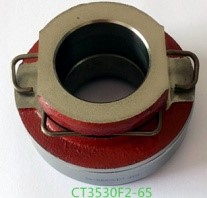
In industrial environments, every minute of machine downtime costs money. Manufacturing plants, construction companies, agricultural operations, and equipment suppliers all depend on machinery that performs reliably every day.
However, many businesses continue to struggle with frequent equipment failures, excessive maintenance costs, and unexpected production interruptions. In many cases, the root cause of these problems is not the machine itself but the quality of the bearing being used.
A roller ball bearing plays a critical role in supporting machine movement, reducing friction, and carrying loads efficiently. Choosing the right bearing can help businesses prevent costly breakdowns and improve operational performance.
What Is a Roller Ball Bearing?
A roller ball bearing is a mechanical component designed to reduce friction between moving parts while supporting radial and axial loads.
These bearings are commonly used in:
- Industrial machinery
- Manufacturing equipment
- Electric motors
- Conveyors
- Agricultural machinery
- Automotive systems
- Construction equipment
Their primary function is to allow smooth rotation while minimizing wear and energy loss.
The Common Problem: Frequent Equipment Failure
Many businesses face recurring machine problems that affect productivity and profitability.
Common warning signs include:
- Excessive vibration
- Unusual noise
- Overheating
- Reduced machine efficiency
- Unexpected shutdowns
- Premature component wear
Often, these issues are linked to poor-quality or improperly selected roller ball bearings.
When bearings fail, entire production lines may stop, resulting in costly delays and missed deadlines.
How Low-Quality Bearings Increase Business Costs
Unplanned Downtime
Equipment breakdowns can disrupt production schedules and delay customer orders.
For manufacturers and industrial operators, downtime often leads to:
- Lost production hours
- Increased labor costs
- Emergency repairs
- Customer dissatisfaction
Frequent Replacements
Low-quality bearings generally have shorter service lives.
This means businesses spend more money on:
- Replacement parts
- Maintenance labor
- Inventory management
Damage to Other Components
A failed bearing can place extra stress on connected parts such as:
- Shafts
- Gears
- Housings
- Motors
- Pulleys
This increases repair costs and extends downtime.
Why High-Quality Roller Ball Bearings Matter
Investing in reliable bearings provides long-term operational advantages.
Improved Equipment Reliability
Quality bearings help machines run smoothly under continuous operation and heavy loads.
Longer Service Life
Durable materials and precision engineering help bearings resist wear and extend operating life.
Better Energy Efficiency
Low-friction operation reduces energy consumption and improves machine performance.
Lower Maintenance Costs
Long-lasting bearings require fewer replacements, reducing labor and maintenance expenses.
Key Factors B2B Buyers Should Consider
When sourcing roller ball bearings, businesses should evaluate several important factors.
Material Quality
Premium steel and advanced heat-treatment processes improve durability and wear resistance.
Precision Manufacturing
Accurate bearing dimensions ensure proper alignment and smooth operation.
Load Capacity
The bearing must be capable of handling the application’s operating loads without premature failure.
Supplier Reliability
A trusted supplier should provide:
- Consistent product quality
- Bulk supply capability
- Technical support
- Fast delivery
- Quality assurance standards
Reliable suppliers help businesses maintain stable operations and inventory levels.
Applications Where Roller Ball Bearings Make a Difference
Manufacturing Plants
Bearings support machinery used in production, packaging, and material handling systems.
Agricultural Equipment
Tractors, harvesters, and farming machinery rely on durable bearings for continuous operation.
Conveyor Systems
Smooth bearing performance helps maintain efficient product movement and reduce downtime.
Electric Motors
Bearings support motor shafts and contribute to energy-efficient operation.
Benefits for Distributors and Wholesalers
Distributors that supply high-quality roller ball bearings can gain several competitive advantages.
Stronger Customer Relationships
Reliable products help build trust and encourage repeat business.
Fewer Warranty Claims
Quality bearings reduce product failures and customer complaints.
Better Market Reputation
Providing dependable solutions strengthens a distributor’s position in the market.
How the Right Bearing Supports Business Growth
For B2B buyers, selecting the correct roller ball bearing is more than a purchasing decision.
It directly affects:
- Production efficiency
- Maintenance budgets
- Equipment lifespan
- Customer satisfaction
- Overall profitability
Businesses that prioritize quality bearings often experience lower operating costs and more reliable performance over time.
Conclusion
Frequent equipment failures can create major challenges for manufacturers, industrial operators, and maintenance teams. Downtime, repair costs, and reduced productivity can quickly impact profitability.
A high-quality roller ball bearing helps solve these problems by improving machine reliability, reducing friction, and extending equipment life. For B2B buyers, distributors, and OEM manufacturers, investing in dependable bearing solutions is a smart strategy for achieving long-term operational success.
Choosing the right roller ball bearing today can help prevent costly production problems tomorrow.


 Jhon Kary