Mindy Hausler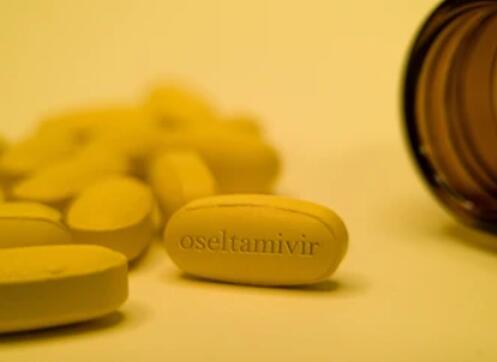
The purity and safety of chiral drugs directly determine the core competitiveness of pharmaceutical R&D and production. Breakthroughs in enantioselective synthesis technology have fundamentally changed the production landscape of chiral drugs. In the field of antiviral and anti-influenza drugs, first-line drugs such as oseltamivir, zanamivir, and peramivir are typical chiral APIs. The stability of the quality of their key chiral intermediates is a core prerequisite for ensuring the mass production and efficacy of the active pharmaceutical ingredient.
Leveraging enantioselective catalysis technology recognized by the 2001 Nobel Prize in Chemistry, Alfa Chemistry provides high-end intermediates for influenza treatment APIs, covering a full range of core products to support new drug development and commercial production.
All products strictly adhere to chiral quality control standards, providing complete CAS numbers, product specifications, and technical documentation. Custom synthesis, bulk inquiries, and rapid delivery are supported to ensure a stable supply chain and support the R&D and production progress of pharmaceutical companies.
Looking back at the development of chiral drugs, until recently, most synthetic chiral drugs were only prepared as racemic mixtures and sold as such. The core reason is very practical: converting achiral molecules into chiral molecules usually directly generates racemates; in most cases, the two enantiomers have similar physiological activities, or one is inactive, so companies consider splitting unnecessary; in addition, large-scale splitting is costly and significantly increases drug R&D and production costs.
However, clinical practice has repeatedly demonstrated that some enantiomers not only block biological receptors and reduce the activity of the active ingredient, but may also produce entirely different toxic side effects. The most cautionary case is the sedative thalidomide: in 1960, the racemic version of this drug was marketed in Europe, leading to a large number of newborns suffering from severe birth defects. Subsequent studies confirmed that the S-enantiomer is teratogenic, while the R-enantiomer is the sedative active ingredient, and the two configurations can interconvert under physiological pH conditions, further amplifying the safety risks.
The thalidomide incident completely rewrote the rules and regulatory direction of the global pharmaceutical industry. Relevant agencies successively updated their guidelines for the marketing of chiral drugs, strongly encouraging the development and production of single-enantiomer formulations. Single-enantiomer drugs have easier quality control in terms of purity, higher bioavailability, and longer patent lifecycles, driving the industry from passively resolving racemates to actively developing enantiomer-selective synthesis technologies. Its core principle draws inspiration from the catalytic logic of enzymes in nature: achiral starting materials, under chiral catalysts and in a chiral environment, can be directly and directionally converted into chiral products, achieving high stereoselectivity through diastereoselective transition states, thus obtaining high-purity, single-configuration products from the source.
This industrial revolution reached its milestone when the 2001 Nobel Prize in Chemistry was awarded to three scientists in the field of asymmetric catalysis—William Knowles, Ryoji Noyori, and Barry Sharpless—for their radical reconstruction of modern drug synthesis pathways through enantioselective catalysis. Knowles pioneered asymmetric hydrogenation reactions, enabling the industrial application of chiral catalysts and supporting the efficient production of L-DOPA, a drug for Parkinson’s disease; Noyori optimized the ruthenium-bisphosphine catalytic system, pushing enantioselectivity to over 99%, widely used in chiral anti-inflammatory drugs such as naproxen; and Sharpless established an asymmetric oxidation/epoxidation system, providing a precise synthetic pathway for drugs with oxygen-containing chiral centers, such as propranolol, eliminating complex resolution steps.
Today, enantioselective catalysis technology has moved from the laboratory to large-scale mass production, profoundly empowering high-end pharmaceutical fields such as anti-influenza drugs. Leveraging this core technology, Alfa Chemistry focuses on the research and supply of influenza API intermediates. With high-purity, highly selective products, it helps pharmaceutical companies overcome R&D bottlenecks, reduce production costs, and achieve efficient and safe production of chiral drugs.


 dynamic Healthcare