Jeena Sikho HiiMS Hospital Ajmer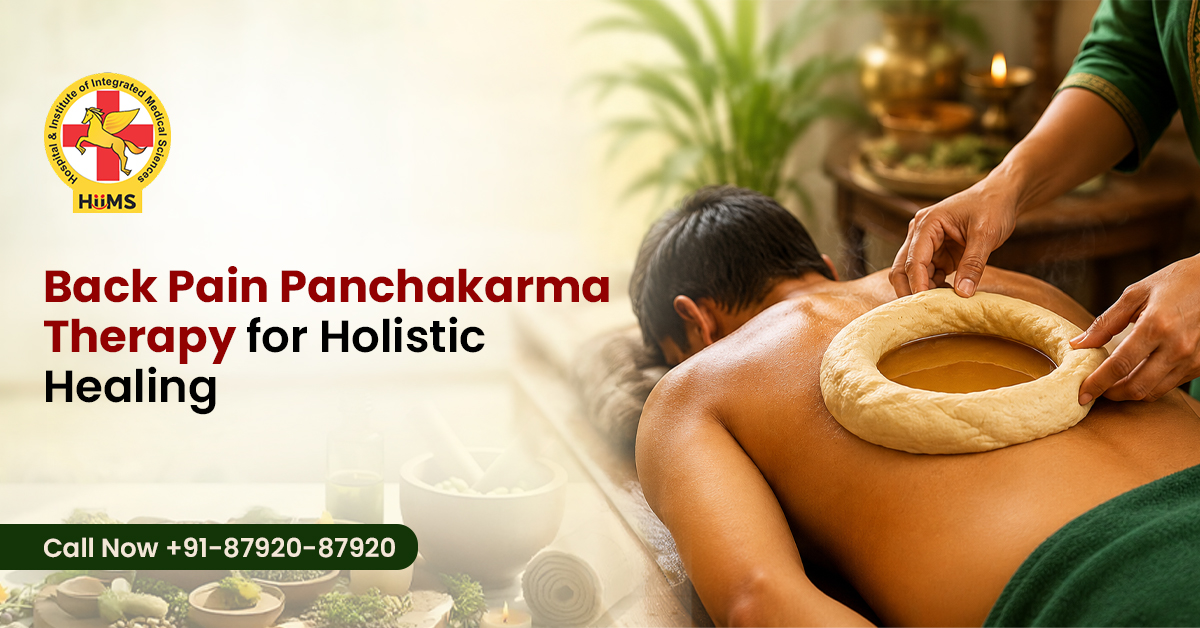
Back pain is a growing concern among people of all age groups. Long working hours, reduced physical activity, poor posture, and everyday stress have contributed to an increasing number of individuals experiencing discomfort in their lower back. What begins as occasional stiffness can gradually develop into persistent pain that affects work, sleep, and daily activities.
While conventional approaches often focus on temporary symptom management, many people are now exploring natural and holistic methods that support long-term wellness. Among these, Back Pain Panchakarma Therapy has gained attention as an important component of Ayurvedic care for back health.
Why Back Pain Is So Common Today
Modern lifestyles place significant strain on the spine. Hours spent sitting in front of computers, using smartphones, driving, or working without adequate movement can weaken the muscles that support the back.
Common factors associated with back discomfort include:
- Poor sitting posture.
- Lack of regular exercise.
- Muscle weakness.
- Repetitive physical strain.
- Stress and tension.
- Improper lifting techniques.
Over time, these factors may contribute to stiffness, reduced flexibility, and recurring pain episodes.
Ayurveda’s Perspective on Back Health
Ayurveda views health as a balance between the body’s natural energies, known as doshas. Back pain is often associated with an imbalance of Vata Dosha, which governs movement, coordination, and nervous system functions.
When Vata becomes disturbed due to irregular routines, poor dietary habits, stress, or excessive physical exertion, it can affect the joints, muscles, and connective tissues. This imbalance may lead to dryness, stiffness, discomfort, and restricted mobility.
The Ayurvedic approach focuses on restoring balance and supporting the body’s natural healing abilities rather than simply masking symptoms.
What Makes Panchakarma Therapy Unique?
Panchakarma is a traditional Ayurvedic cleansing and rejuvenation process designed to eliminate accumulated toxins and restore harmony within the body.
Unlike approaches that focus solely on the affected area, Panchakarma aims to improve overall health by supporting digestive function, circulation, tissue nourishment, and metabolic balance.
The therapy consists of specialised procedures that are selected according to an individual’s health condition and wellness goals.
Panchakarma and Back Pain Support
For individuals dealing with recurring back discomfort, Panchakarma may be incorporated into a broader Ayurvedic wellness plan. The therapy is traditionally used to help:
- Support healthy circulation.
- Encourage detoxification.
- Promote tissue nourishment.
- Improve flexibility and mobility.
- Assist in balancing Vata Dosha.
- Enhance overall well-being.
Because Ayurveda emphasises personalised care, treatment plans are typically tailored to the individual’s needs.
Kati Vasti: A Traditional Therapy for Lower Back Care
One of the most recognised Ayurvedic therapies for lower back wellness is Kati Vasti.
In this procedure, a specially prepared herbal dough ring is placed on the lower back. Warm medicated oil is then retained within the ring for a prescribed duration. The heat and herbal ingredients work together to provide deep relaxation to the affected area.
Kati Vasti is often recommended as part of a comprehensive Ayurvedic programme aimed at supporting spinal comfort and flexibility.
Importance of Herbal Support
Ayurvedic wellness programmes frequently include herbs that have been traditionally used to support musculoskeletal health.
Some commonly used herbs include:
Ashwagandha
Known for promoting vitality, strength, and overall resilience.
Guggulu
Traditionally used to support healthy joints and mobility.
Shallaki
Widely recognised in Ayurveda for supporting flexibility and maintaining joint comfort.
Herbal recommendations should always be guided by qualified professionals based on individual requirements.
Daily Habits That Can Help Protect Your Back
Therapies alone are not enough to maintain long-term spinal health. Consistent lifestyle habits play an equally important role.
Stay Active
Regular walking, stretching, and light exercise help maintain flexibility and muscle strength.
Maintain Proper Posture
Good posture reduces unnecessary strain on the spine during work and daily activities.
Eat a Balanced Diet
Freshly prepared meals and adequate nutrition support healthy tissues and recovery.
Stay Hydrated
Water is essential for maintaining healthy muscles, joints, and overall body function.
Prioritise Rest
Quality sleep allows the body to recover from daily physical and mental stress.
A Holistic Path to Wellness
One of the defining features of Ayurveda is its focus on treating the individual as a whole. Rather than concentrating only on symptoms, it considers factors such as diet, lifestyle, mental well-being, digestion, and daily routines.
This holistic perspective has contributed to the growing popularity of Panchakarma Therapy among people seeking natural wellness solutions.
Conclusion
Back pain can have a significant impact on daily life, affecting mobility, comfort, and productivity. While temporary solutions may offer short-term relief, many individuals are turning toward holistic approaches that focus on overall well-being.
Panchakarma Therapy represents a time-tested Ayurvedic practice that combines detoxification, rejuvenation, lifestyle guidance, and traditional therapies to support spinal health. When combined with healthy habits and professional guidance, it may play a valuable role in promoting long-term back wellness and improved quality of life.


 enfield abudhabi