Meta Minds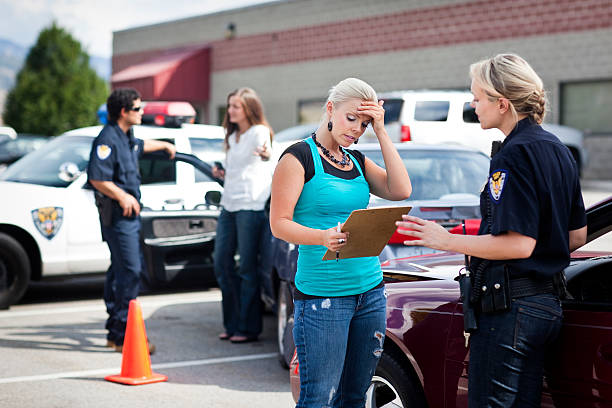
A car accident can change everything in a matter of seconds.
One moment you are going about your day… the next, you are dealing with vehicle damage, insurance calls, and a lot of unanswered questions. And one of the biggest questions that comes up right away is this—who was at fault?
If you are speaking with a car accident lawyer in Myrtle Beach, this is usually one of the first things that gets discussed.
But here is the reality… figuring out fault is not always as simple as it seems.
What Does “Fault” Really Mean?
In simple terms, fault means responsibility.
The person who caused the accident is considered at fault.
Sometimes, it is obvious. For example, if someone runs a red light and hits another car, the situation is pretty clear.
But not every accident is that straightforward.
In many cases, there are multiple factors involved… and sometimes, more than one driver shares responsibility. That is where things start to get a little more complicated.
What Evidence Is Used to Determine Fault?
After an accident, investigators and insurance companies look at different pieces of information to understand what actually happened.
Some of the most common types of evidence include:
- Police reports
- Photos from the accident scene
- Traffic camera or nearby video footage
- Witness statements
- Vehicle damage
- Driver statements
- Road and weather conditions
Think of it like putting together a puzzle.
Each piece helps build a clearer picture. And sometimes, a small detail—something that seems minor—can end up making a big difference.
Does the Police Report Decide Everything?
A lot of people think the police report settles the issue completely.
Not always.
It is definitely an important piece of evidence. It includes the officer’s observations, details about the scene, and sometimes notes about possible traffic violations.
But insurance companies usually do their own review as well.
So while the report carries weight, it is not always the final word.
What If Both Drivers Share Fault?
This is more common than most people expect.
Maybe one driver was speeding while the other made an unsafe turn. Or maybe one person was distracted while the other failed to signal.
In situations like these, fault may be divided between both drivers.
The percentage of fault assigned to each person can affect how much compensation may be available. This part can get confusing quickly, especially when both sides disagree.
Why Witnesses Matter
Now imagine this…
Two drivers give completely different versions of what happened.
It happens all the time.
That is where witnesses can help. Someone who saw the accident may provide an outside perspective that helps fill in the gaps.
Of course, no one’s memory is perfect. But a neutral third-party account can still play a valuable role.
Can Insurance Companies Get It Wrong?
Yes… they can.
Insurance adjusters review the available evidence and make decisions based on what they see. But mistakes happen. Details can be overlooked. Different interpretations can lead to disagreements.
That is why it is so important to gather information right after the accident if you are able to do so safely.
Photos, witness contact details, and clear documentation can help support your side of the story.
Final Thoughts
Determining fault after a car accident is not always black and white.
Some cases are simple and clear. Others involve multiple drivers, conflicting accounts, and a lot of back-and-forth.
The more information available, the easier it becomes to understand what really happened.
And if you are dealing with questions about liability, insurance claims, or compensation, speaking with experienced Myrtle Beach injury lawyers can help you understand your options and what steps to take next.
FAQs
- How long does it take to determine fault in a car accident?
It depends on the situation. Some cases are resolved quickly, while others may take weeks if there are disputes or ongoing investigations. - Can I recover damages if I was partly at fault?
In many cases, yes. It depends on state laws and how fault is divided. - What should I do right after a car accident?
Make sure everyone is safe, seek medical attention if needed, document the scene, exchange information, and report the accident. - Will my insurance rates go up if I am at fault?
They might. Insurance companies often consider fault when adjusting premiums, though policies can vary. - Should I speak with a lawyer if fault is disputed?
Many people choose to. A lawyer can review the evidence and help you understand your rights and next steps.


 Ammar Saleem
 Mila Avary