Lehigh Valley Valve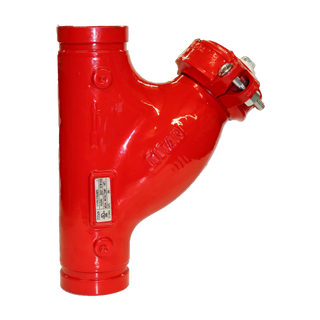
Fire protection systems rarely attract attention until an emergency happens. Sprinkler heads stay hidden in plain sight, and building occupants assume everything will function correctly when needed. Yet debris inside piping systems can quietly reduce performance long before anyone detects a problem.
That concern explains why products like the UL/FM Strainer have become more important across commercial and industrial fire protection systems. Contractors and facility managers now pay closer attention to system cleanliness because even small obstructions can affect water flow during critical moments.
The National Fire Protection Association reports that automatic sprinkler systems reduce civilian fire deaths by nearly 90% when they operate properly. That level of reliability depends on every component inside the system working exactly as intended.
Why Does Debris Become a Serious Problem?
New construction projects create more contamination than people often expect. Metal shavings, rust particles, dirt, and pipe scale frequently remain inside piping systems after installation. Over time, those materials move through the network and collect near valves, pumps, and sensitive components.
Without proper filtration, debris can restrict water flow or damage equipment.
In fire protection systems, reduced flow creates major risks because sprinklers depend on consistent water delivery during emergencies. A clogged valve or blocked line can weaken overall system response when timing matters most.
The UL/FM Strainer helps prevent those issues by filtering unwanted particles before they reach critical components. This simple layer of protection supports system reliability while reducing long-term maintenance concerns.
Why Are Building Codes Becoming More Strict?
Commercial buildings now operate under tighter safety standards than ever before. Hospitals, schools, warehouses, and manufacturing facilities all face growing pressure to maintain dependable fire protection systems.
Insurance providers also expect stronger compliance measures.
As buildings become larger and more complex, system performance receives greater scrutiny during inspections and maintenance reviews. Contractors must now think beyond installation speed and focus more on long-term operational reliability.
That shift has increased demand for certified components that meet recognized industry standards.
UL and FM approvals matter because they confirm that products have passed established testing requirements for performance and safety. Buyers often look for these certifications when selecting strainers, valves, and fire protection components.
What Happens When Maintenance Gets Delayed?
Fire protection systems can remain untouched for long periods because facility managers often prioritize visible operational problems first. Hidden system contamination may go unnoticed for years.
Unfortunately, debris does not remain harmless over time.
Sediment buildup can increase pressure loss, reduce flow efficiency, and create additional wear on connected components. Maintenance teams may not recognize the problem until inspections reveal restricted performance or damaged equipment.
Preventive maintenance helps reduce those risks significantly.
Regular inspections, flushing procedures, and filtration support cleaner system operation while extending equipment life. Facility managers now prioritize proactive maintenance because emergency repairs often create larger operational disruptions and higher costs.
Why Are Contractors Choosing Smarter Component Strategies?
The fire protection industry has changed steadily over the last decade. Contractors now understand that long-term reliability depends on how well every component works together inside the system.
One weak connection can create larger performance problems later.
That reality has encouraged buyers to focus more carefully on product compatibility, certification standards, and supplier expertise during procurement decisions. Reliable sourcing now matters almost as much as the product itself.
Contractors also want components that simplify future inspections and maintenance work. Accessible filtration systems reduce service time while helping technicians identify buildup before it becomes dangerous.
Products like the UL/FM Strainer support that goal by helping maintain cleaner and more stable fire protection systems across commercial applications.
What Does This Mean for Future Building Safety?
Building owners today think differently about infrastructure protection because system reliability affects safety, insurance costs, operational continuity, and long-term maintenance planning.
That mindset continues to reshape purchasing decisions across the fire protection industry.
Facility managers increasingly seek dependable valves, certified filtration products, and compatible system components that support stronger long-term performance. As those expectations grow, the demand for products like the UL/FM Strainer will likely continue increasing across commercial and industrial projects.
Companies such as Lehigh Valley Valve support these evolving needs by supplying valves, strainers, instrumentation products, and fluid control components used throughout commercial, industrial, and fire protection systems across the United States.


 Jhon Kary