Rohit Verma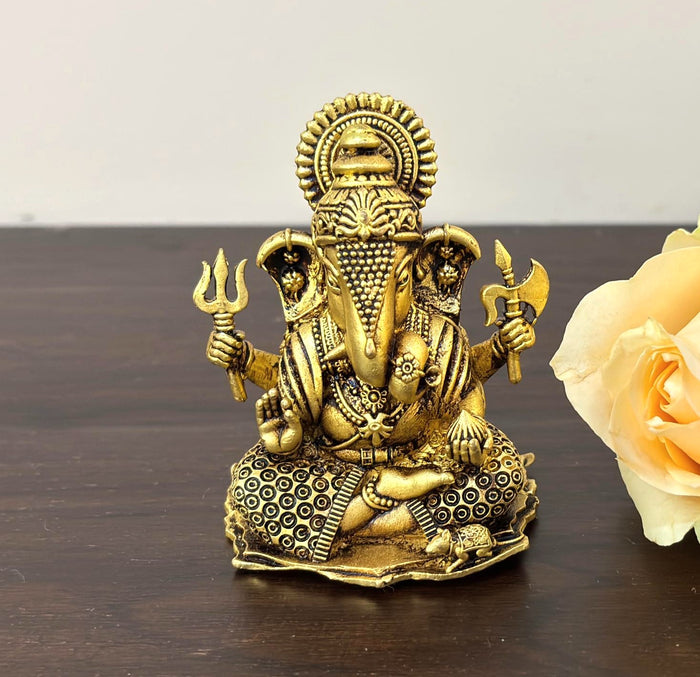
Vastu Shastra, the ancient Indian science of architecture and spatial harmony, has guided the design and arrangement of homes, temples, and workplaces for centuries. It focuses on balancing natural energies to create a positive and prosperous environment. One common question among homeowners, spiritual practitioners, and interior enthusiasts is whether a Brass Statue is beneficial according to Vastu Shastra.
The answer is generally yes. Brass has long been regarded as an auspicious metal in Indian traditions, and brass statues are often recommended for homes, offices, and places of worship. However, the benefits depend not only on the material but also on the type of statue, its placement, and the intention behind keeping it.
In this article, we will explore the significance of a Brass Statue in Vastu Shastra, its benefits, ideal placement guidelines, and why it remains a popular choice for both spiritual and decorative purposes.
Understanding the Importance of Brass in Vastu Shastra
Brass is an alloy primarily made of copper and zinc. In Indian culture, both metals have been associated with positive energy and spiritual significance for centuries.
Vastu Shastra values materials that are believed to attract harmonious vibrations. Brass is considered one such material because it combines durability, beauty, and traditional importance. For this reason, brass is commonly used in:
- Idols and statues
- Temple accessories
- Diyas and lamps
- Bells
- Decorative objects
- Sacred utensils
A Brass Statue is often viewed as more than a decorative piece. It is considered a symbol of positive energy, spiritual connection, and cultural heritage.
Why Brass Statues Are Considered Auspicious
Many Vastu experts recommend brass items because they are believed to help maintain balance within a living space.
A Brass Statue is often associated with:
Positive Energy
Brass is traditionally believed to attract positive vibrations and help create a peaceful atmosphere.
Spiritual Growth
When used in prayer rooms or meditation spaces, a brass statue can serve as a reminder of faith, devotion, and mindfulness.
Prosperity and Harmony
Certain deity statues are believed to symbolize abundance, success, and family well-being.
Aesthetic Appeal
Apart from spiritual significance, brass statues enhance the visual beauty of interiors while preserving traditional Indian artistry.
Which Brass Statues Are Popular According to Vastu?
Different deities and symbols are associated with specific benefits in Vastu Shastra.
Lord Ganesha Brass Statue
Lord Ganesha is widely worshipped as the remover of obstacles and the deity of wisdom and success.
According to Vastu principles, a Brass Statue of Lord Ganesha can be placed near the entrance or in the prayer room to invite positivity and prosperity.
Goddess Lakshmi Brass Statue
Goddess Lakshmi symbolizes wealth, abundance, and good fortune.
Many homeowners place a brass Lakshmi statue in their puja room or living space to encourage financial well-being and harmony.
Lord Krishna Brass Statue
Lord Krishna represents love, wisdom, and spiritual joy.
A Brass Statue of Krishna can help create a peaceful and uplifting environment.
Lord Hanuman Brass Statue
Hanuman is associated with strength, courage, and protection.
Many devotees keep a brass Hanuman statue to inspire confidence and spiritual discipline.
Buddha Brass Statue
Although rooted in Buddhist traditions, Buddha statues are also popular in Vastu-based décor.
A brass Buddha statue is often associated with peace, mindfulness, and emotional balance.
Ideal Placement of a Brass Statue According to Vastu
Placement plays a major role in Vastu Shastra.
Even a beautiful Brass Statue should be positioned thoughtfully to maximize its positive influence.
Prayer Room
The prayer room is one of the most suitable locations for deity statues.
Ensure the area remains clean and dedicated to spiritual activities.
Living Room
A brass statue can be placed in the living room to create a welcoming and harmonious atmosphere.
Many people display statues of Ganesha, Krishna, or Lakshmi in this space.
Meditation Corner
A meditation area benefits greatly from the presence of a meaningful Brass Statue.
The statue can serve as a visual focal point and support mindfulness practices.
Office or Workspace
Brass statues associated with wisdom and prosperity are often placed in offices to inspire focus and success.
Directions Recommended in Vastu
Vastu Shastra often emphasizes directional placement.
Some commonly recommended directions include:
Northeast
The northeast corner is considered highly auspicious for spiritual activities.
Many people place deity statues and prayer items in this direction.
East
The east is associated with sunlight, growth, and positive beginnings.
A Brass Statue placed in this area can complement the natural energy of the space.
North
The north direction is traditionally linked with prosperity and opportunities.
Statues associated with wealth and success are often positioned here.
Benefits of Keeping a Brass Statue at Home
Beyond Vastu considerations, a Brass Statue offers several practical and emotional benefits.
Enhances Spiritual Atmosphere
A sacred statue encourages daily prayer, meditation, and reflection.
Preserves Cultural Traditions
Brass statues help keep India’s artistic and spiritual heritage alive.
Creates Visual Elegance
The warm golden appearance of brass adds sophistication and timeless beauty to interiors.
Supports Mindfulness
Many people find that the presence of a meaningful statue inspires calmness and positive thinking.
Long-Lasting Durability
Unlike many decorative materials, brass is highly durable and can remain beautiful for generations with proper care.
Common Vastu Tips for Brass Statues
To maintain the positive energy associated with a Brass Statue, consider the following guidelines:
- Keep the statue clean and well-maintained.
- Avoid placing sacred statues directly on the floor.
- Position the statue in a respectful and uncluttered space.
- Regularly dust and polish brass items when necessary.
- Use the statue as part of a meaningful spiritual or decorative setting.
These simple practices help preserve both the physical appearance and symbolic value of the statue.
Brass Statues in Modern Homes
Modern homeowners increasingly seek décor that combines beauty with meaning.
A Brass Statue fits perfectly into this trend because it offers:
- Spiritual significance
- Traditional craftsmanship
- Timeless design
- Versatile styling options
Whether placed in a minimalist apartment, a traditional Indian home, or a contemporary office, brass statues complement a wide range of interior styles.
This adaptability has contributed to their enduring popularity.
Choosing the Right Brass Statue
When selecting a Brass Statue, consider the following factors:
- Purpose of the statue
- Available space
- Personal spiritual beliefs
- Artistic design
- Craftsmanship quality
Choosing a statue that resonates with your values and intentions often creates a more meaningful connection.
Handcrafted brass statues are especially valued because they showcase exceptional artistry and attention to detail.
Final Thoughts
According to Vastu Shastra, a Brass Statue is generally considered an auspicious addition to homes, offices, and spiritual spaces. Brass has long been associated with positive energy, cultural heritage, and spiritual significance. When thoughtfully chosen and properly placed, a brass statue can contribute to a peaceful, harmonious, and visually appealing environment.
Whether it represents Lord Ganesha, Goddess Lakshmi, Lord Krishna, Hanuman, Buddha, or another sacred figure, a Brass Statue serves as a powerful reminder of faith, positivity, and timeless traditions. Its combination of spiritual symbolism, artistic beauty, and durability makes it one of the most cherished elements of Indian home décor.
For those seeking to create a balanced and uplifting living space, incorporating a brass statue can be a meaningful way to honor both Vastu principles and India’s rich cultural heritage.


 Best Aprons
 Kian Adler