Rohit Verma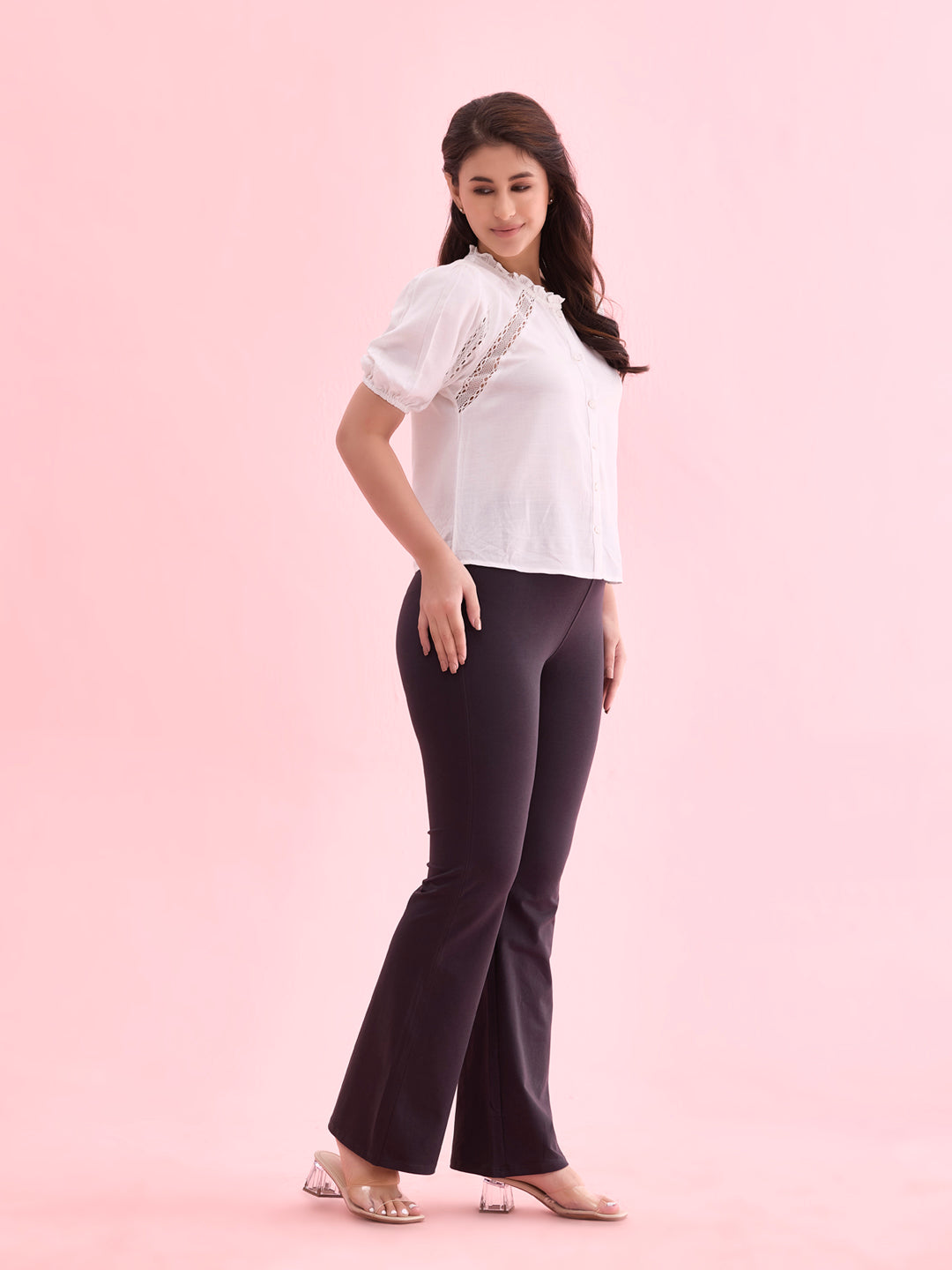
Fashion is constantly changing, yet some trends have a remarkable ability to return stronger than ever. One such trend is flare pants. Once considered a defining style of the 1960s and 1970s, flare pants have successfully transformed from a retro fashion statement into a modern wardrobe essential. Today, they are embraced by women of all ages for their comfort, versatility, and flattering silhouette.
But how exactly did flare pants make this journey from vintage fashion archives to contemporary closets? The answer lies in their ability to adapt to changing fashion trends while maintaining their unique appeal. Let’s explore the fascinating evolution of flare pants and understand why they continue to be a favorite among fashion enthusiasts worldwide.
What Are Flare Pants?
Before diving into their history, it’s important to understand what makes flare pants distinctive.
Flare pants are fitted through the waist and hips and gradually widen from the knee downward. This widening shape creates a balanced silhouette that can elongate the legs and add movement to an outfit.
Unlike skinny pants or straight-leg trousers, flare pants offer a unique combination of structure and flow, making them both stylish and comfortable.
The Early Origins of Flare Pants
Although many people associate flare pants with the disco era, their origins go back much further.
Historians often trace the earliest versions of flared trousers to sailors in the 19th century. Sailors wore wide-bottomed pants because they were practical and easy to roll up when working on ships.
While these early designs were functional rather than fashionable, they laid the foundation for what would later become one of fashion’s most recognizable silhouettes.
The Rise of Flare Pants in the 1960s
The true fashion journey of flare pants began during the 1960s.
This decade was characterized by social change, creative expression, and experimentation with clothing styles. Young people began moving away from traditional fashion norms and embracing more relaxed and expressive looks.
Flare pants quickly became a symbol of individuality and freedom. Their unconventional shape stood out from the slim and structured styles that had dominated previous decades.
As celebrities, musicians, and cultural icons adopted the trend, flare pants gained widespread popularity.
The Disco Era and Peak Popularity
The 1970s marked the golden age of flare pants.
During this decade, fashion became bolder, more colorful, and more expressive. Disco culture played a major role in popularizing dramatic silhouettes, and flare pants became one of its defining garments.
Women embraced:
- High-waisted flare pants
- Bright colors
- Printed fabrics
- Wide dramatic flares
The movement and flow created by flare pants perfectly matched the energetic atmosphere of disco clubs and dance floors.
By the end of the 1970s, flare pants had become a global fashion phenomenon.
The Decline During the 1980s
Fashion trends are cyclical, and by the 1980s, flare pants began losing popularity.
New silhouettes emerged, including:
- Tapered pants
- Power dressing styles
- Slim-fit trousers
The focus shifted toward structured and tailored clothing. As a result, flare pants gradually disappeared from mainstream fashion.
For many years, they were viewed primarily as a symbol of past decades rather than a contemporary trend.
The Return of Flare Pants in the 1990s and Early 2000s
Fashion often revisits successful trends, and flare pants experienced a revival during the late 1990s and early 2000s.
This comeback introduced updated versions of the classic silhouette.
Popular variations included:
- Bootcut pants
- Subtle flares
- Low-rise designs
- Denim flare styles
These modern adaptations made flare pants more wearable for everyday life while retaining their signature shape.
Celebrities and fashion influencers once again helped bring attention to the style.
Why Flare Pants Made a Successful Comeback
Not every fashion trend returns successfully. However, flare pants possess several qualities that have allowed them to remain relevant.
Universally Flattering Design
One reason flare pants continue to thrive is their ability to suit different body types.
The widening leg helps:
- Balance proportions
- Create longer-looking legs
- Enhance natural curves
- Improve overall silhouette
This versatility makes flare pants appealing to a wide range of women.
Comfort and Movement
Modern consumers increasingly prioritize comfort.
Unlike restrictive styles, flare pants offer:
- Greater flexibility
- Improved airflow
- Comfortable movement
- Relaxed wearability
These benefits align perfectly with contemporary fashion preferences.
The Influence of Modern Fashion Trends
Today’s fashion landscape values individuality, versatility, and self-expression.
As a result, flare pants fit naturally into modern wardrobes because they allow women to create a variety of looks.
They can be styled for:
- Casual outings
- Office environments
- Travel
- Social events
- Evening occasions
This flexibility has contributed significantly to their resurgence.
How Modern Flare Pants Differ from Retro Versions
Although inspired by vintage fashion, modern flare pants have evolved considerably.
More Refined Silhouettes
Contemporary designs often feature:
- Moderate flares
- Tailored fits
- Cleaner lines
These updates make them easier to style for everyday wear.
Improved Fabrics
Modern flare pants are available in a variety of comfortable materials, including:
- Cotton blends
- Stretch fabrics
- Rayon
- Linen blends
These fabrics enhance both comfort and functionality.
Wider Styling Options
Unlike earlier decades when flare pants were associated with specific fashion movements, today’s versions work across multiple style categories.
Flare Pants in Professional Fashion
One of the biggest changes in the evolution of flare pants is their acceptance in professional settings.
Modern workplace fashion has become more flexible, allowing women to incorporate stylish yet polished pieces into their office wardrobes.
Paired with blazers, shirts, and structured tops, flare pants create sophisticated business-casual outfits.
This professional versatility has expanded their appeal far beyond casual wear.
Social Media and the Modern Revival
Digital platforms have played a major role in the continued popularity of flare pants.
Fashion influencers regularly showcase styling ideas that demonstrate how versatile flare pants can be.
Social media has helped introduce flare pants to younger generations who may not have experienced previous fashion cycles.
As a result, the trend continues to gain momentum.
Why Flare Pants Remain Relevant Today
Several factors explain why flare pants continue to thrive in modern wardrobes:
Timeless Appeal
They offer a classic silhouette that never feels outdated.
Styling Flexibility
They pair easily with a wide variety of tops, shoes, and accessories.
Body Inclusivity
Their shape complements different body types.
Comfort
Modern consumers increasingly value comfortable clothing choices.
Together, these qualities make flare pants a reliable and enduring fashion staple.
The Future of Flare Pants
Fashion experts predict that flare pants will continue evolving rather than disappearing.
Future trends may include:
- Sustainable fabrics
- Innovative cuts
- Modern tailoring
- Versatile styling options
As fashion continues embracing comfort and individuality, flare pants are likely to remain relevant for years to come.
Final Thoughts
The journey of flare pants from retro fashion icon to modern wardrobe essential is a testament to their enduring appeal. What began as a practical garment eventually became a symbol of self-expression, then evolved into a versatile fashion staple embraced by women worldwide.
Their ability to adapt to changing trends while maintaining their signature silhouette has allowed flare pants to survive multiple fashion cycles. Today, they represent the perfect blend of vintage inspiration and contemporary style.
Whether worn for casual outings, professional settings, or special occasions, flare pants continue to prove that great fashion never truly goes out of style—it simply evolves with the times.


 eva blake