digital vgn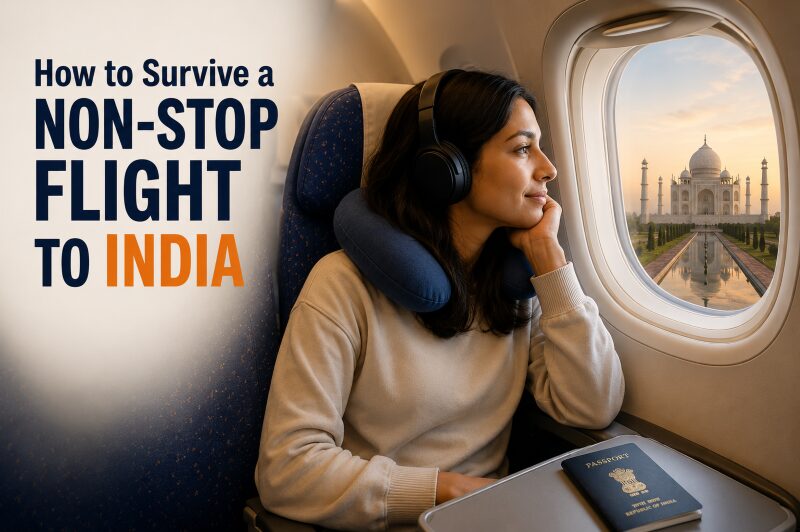
I’ve done the long-haul haul more times than I can count. A Non-Stop Flight to India sounds glamorous on paper. In reality, 16 hours in a metal tube can test your patience, body, and sanity. The good news? With the right prep, it doesn’t have to feel like survival mode.
Here’s what actually works—based on experience, expert advice, and a few hard-learned lessons.
Before You Board: Set Yourself Up to Win
Pick the Right Seat (This Matters More Than You Think)
If you sleep easily, a window seat helps. You control the shade and avoid aisle traffic.
If you move a lot, choose an aisle. Standing up often reduces stiffness and swelling.
According to the Mayo Clinic, moving your legs every 1–2 hours lowers the risk of blood clots on long flights.
Dress for Circulation, Not Style
I skip tight jeans and wear compression socks every time. They reduce ankle swelling and keep legs comfortable.
A study cited by the World Health Organization links prolonged sitting to deep vein thrombosis, especially on flights over 8 hours.
During the Flight: Mind + Body Survival Tips
Hydration Is Non-Negotiable
Cabin air stays dry—often below 20% humidity. That’s desert-level dryness.
I drink water every hour and skip alcohol. Alcohol worsens dehydration and jet lag.
Eat Light, Eat Smart
Heavy meals slow digestion and disrupt sleep. I choose vegetarian or low-carb meals when available.
Research from Harvard Medical School shows lighter meals improve sleep quality during long-haul travel.
Sleep Without Fighting the Cabin
Hack Your Body Clock
If I fly east to India, I start shifting sleep 3–4 days early. Just one hour per day helps.
Create a Sleep Bubble
Noise-canceling headphones, an eye mask, and a neck pillow change everything.
I also avoid screens 60 minutes before trying to sleep.
According to the National Sleep Foundation, blue light exposure delays melatonin release, making it harder to sleep.
Beat Boredom Before It Beats You
Don’t Rely on In-Flight Entertainment
Systems fail. Content gets old.
I preload podcasts, audiobooks, and two comfort movies. I also bring one offline game or book.
Break Time Into Chunks
I split the flight into blocks: meal, movie, walk, nap, repeat.
Mentally, 4 × 4 hours feels easier than one endless stretch.
Manage Jet Lag Before You Land
Light Is Your Best Friend
Once you land in India, I step into sunlight immediately. It resets circadian rhythm faster than caffeine.
Stay Awake Till Local Bedtime
Even if I feel wrecked, I push through till night. One tough evening beats three groggy days.
Is a Non-Stop Flight Really Worth It?
From experience—yes.
A Non-Stop Flight to India cuts transit stress, missed connections, and lost luggage. You arrive tired, but mentally intact.
If you’re booking one, check Indianeagle Non-stop flights to India for competitive fares and direct routes.
FAQs: Long Non-Stop Flights to India
How do you survive 16 hours on a plane?
Move often, hydrate hourly, sleep strategically, and break the journey into mental blocks.
Are non-stop flights to India safe?
Yes. Modern long-haul aircraft follow strict international safety standards set by aviation authorities.
What’s the best time to sleep on the flight?
Sleep when it aligns closest to nighttime in India. Even partial alignment helps reduce jet lag.
Should I take sleeping pills?
Only with medical advice. I avoid them due to grogginess and dehydration risk.
A 16-hour flight doesn’t have to feel endless. With smart prep, you land calmer, clearer, and ready for India.
If you’re planning your next trip, explore Indianeagle Non-stop flights to India and make the journey as smooth as the destination is exciting.


 Fidelitybackground Checks
 Abhay seo