sobiyya Kazmi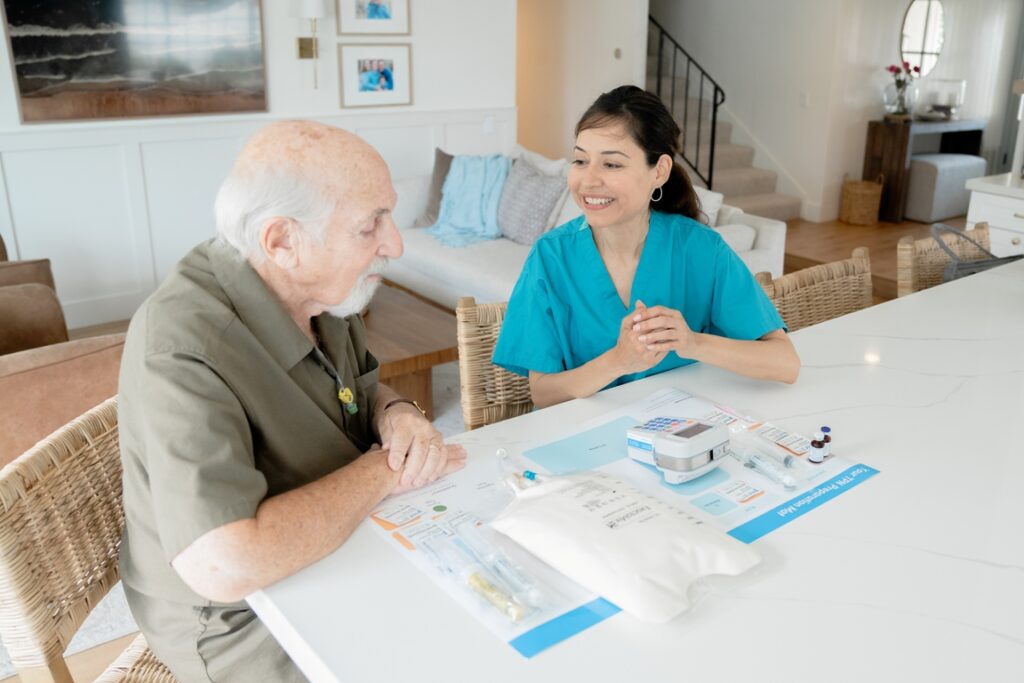
Total Parenteral Nutrition (TPN) at home requires strict infection control practices to ensure patient safety and long-term treatment success. With the growing demand for TPN At Home In Dubai, families and caregivers are increasingly managing complex intravenous nutrition therapies outside hospital settings. This makes infection prevention a critical priority. Support from healthcare professionals and services like Doctor at Home can help guide patients in maintaining safe procedures, reducing complications, and ensuring consistent nutritional support. Proper education, hygiene, and monitoring form the foundation of effective home-based TPN care.
Importance of Infection Prevention in TPN At Home Care:
Infection prevention in TPN home care is essential because patients rely on central venous catheters for direct nutrient delivery into the bloodstream, which creates a direct pathway for bacteria if not handled properly. Even minor contamination can lead to severe bloodstream infections, hospital readmissions, and life-threatening complications. Preventing infection not only protects the patient’s health but also reduces healthcare costs and improves quality of life. Families managing TPN must understand sterile techniques, safe handling of equipment, and consistent hygiene practices. Establishing a disciplined routine ensures that every step—from preparing the infusion to handling the catheter site—is performed under strict aseptic conditions to minimize risks and maintain treatment continuity.
Understanding TPN and Home Administration Safety:
TPN is a medical nutrition therapy used for patients who cannot absorb nutrients through the digestive tract. Administering it at home requires careful coordination and adherence to clinical guidelines. Safety begins with understanding the components of TPN, including nutrient bags, IV tubing, and central line care. Patients and caregivers must be trained to recognize sterile environments and maintain them during every infusion session. Key safety measures include:
- Proper handwashing before any handling of equipment
- Using sterile gloves during catheter access
- Ensuring clean and disinfected preparation surfaces
- Checking TPN solution for leaks or contamination
- Storing nutrients at recommended temperatures
These steps significantly reduce the risk of contamination and ensure that home administration is as safe as hospital-based care.
Common Infection Risks in Home TPN Therapy:
Infection risks in home TPN therapy often arise from improper handling of central venous catheters or contaminated infusion supplies. The most common infections include catheter-related bloodstream infections, local site infections, and fungal complications. These risks increase when aseptic techniques are not followed consistently or when caregivers lack proper training. Environmental factors such as unclean rooms, pets, or dust can also contribute to contamination. Early identification of risks is crucial, and caregivers should remain vigilant about any deviation from normal conditions. Regular monitoring and strict adherence to protocols can significantly reduce infection rates and ensure safe long-term therapy.
Hygiene Protocols for Safe TPN Management:
Maintaining hygiene is the cornerstone of infection prevention in TPN home care. Strict protocols must be followed every time the catheter is accessed or the infusion is prepared. Essential hygiene practices include:
- Washing hands thoroughly with antibacterial soap for at least 20 seconds
- Disinfecting work surfaces before preparing TPN solutions
- Wearing sterile gloves and masks during catheter handling
- Cleaning catheter hubs with alcohol or chlorhexidine swabs
- Avoiding unnecessary touching of sterile equipment
Patients should also ensure that the surrounding environment is clean and free from potential contaminants. Regular cleaning schedules for rooms where TPN is administered can further reduce infection risks. Proper hygiene not only protects the patient but also enhances the effectiveness of the treatment by preventing interruptions caused by infection-related complications.
Role of Caregivers and Clinical Support:
Caregivers play a vital role in ensuring safe TPN administration at home. Their responsibility includes preparing equipment, maintaining hygiene, monitoring the patient, and responding to early signs of infection. Proper training is essential so that caregivers can confidently manage central line care and infusion procedures. Clinical support teams provide ongoing guidance, helping families troubleshoot issues and maintain safety standards. Regular follow-ups with healthcare providers ensure that any complications are detected early. Emotional support is also important, as long-term TPN care can be physically and mentally demanding for both patients and caregivers. Strong communication between medical teams and families ensures better outcomes and safer home care environments.
Monitoring and Early Detection of Infection Signs:
Early detection of infection is critical in preventing severe complications in TPN home care. Patients and caregivers must be trained to recognize warning signs and act quickly. Common symptoms of infection include fever, chills, redness around the catheter site, swelling, or unusual discharge. Monitoring should be performed daily, and any abnormalities should be reported immediately to healthcare providers. Recommended monitoring practices include:
- Checking temperature regularly
- Inspecting catheter insertion sites daily
- Observing changes in patient energy levels or appetite
- Tracking any discomfort or pain near the IV line
Timely response to these signs can prevent escalation into serious bloodstream infections, ensuring safer continuation of home-based therapy.
Best Practices for Long-Term TPN Home Care:
Long-term success in TPN home care depends on consistency, education, and adherence to medical guidance. Patients and caregivers must maintain structured routines for infusion preparation, catheter care, and hygiene management. Regular training updates help reinforce best practices and introduce improved safety techniques. It is also important to maintain proper storage of TPN solutions and ensure timely replacement of medical supplies. Emotional well-being should not be overlooked, as long-term therapy can be challenging. Building a supportive care environment improves compliance and reduces stress. Collaboration with healthcare professionals ensures that treatment remains effective and complications are minimized over time.
Final Thoughts:
Infection prevention in TPN home care is a continuous process that requires discipline, education, and careful attention to detail. With the increasing adoption of TPN At Home In Dubai, families must prioritize sterile techniques, monitoring, and caregiver training to ensure safe outcomes. Strong support systems, combined with proper medical guidance, help patients manage complex nutritional therapy safely in the comfort of their homes. By following strict hygiene protocols and staying alert to early infection signs, long-term TPN therapy can be both effective and safe, improving quality of life for patients who depend on it.

 Navimumbaihiims Mumbai
 enfield abudhabi