Navimumbaihiims Mumbai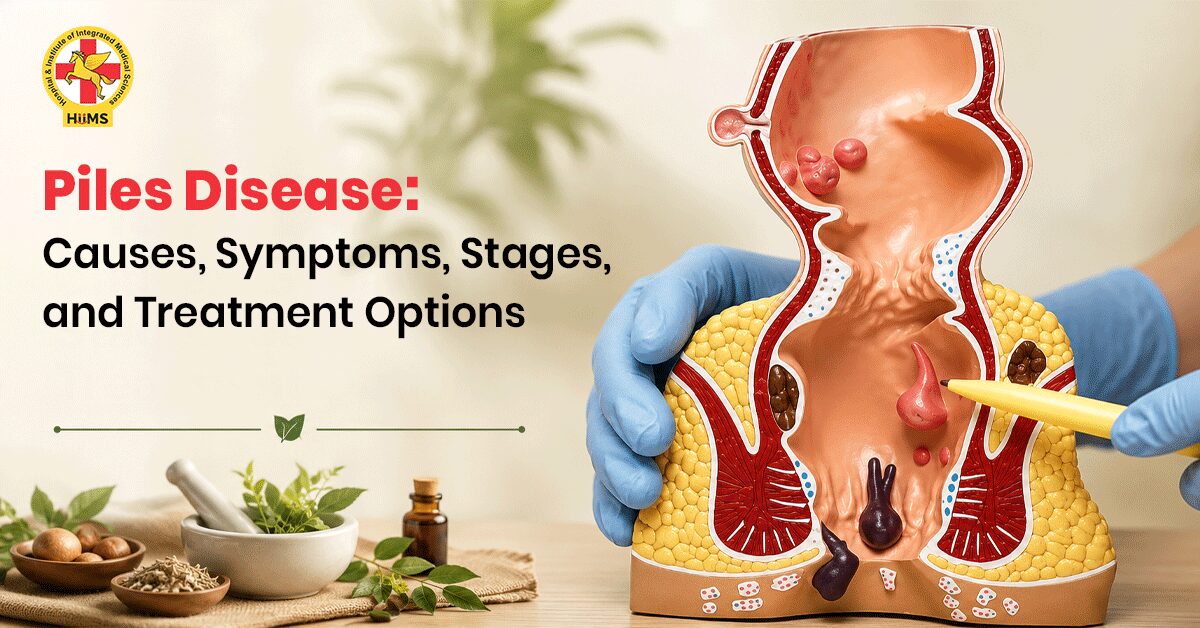
Piles Disease is a common health condition, yet many people avoid talking about it because they feel embarrassed. Instead of seeking medical advice, they often ignore the symptoms and continue living with pain, itching, or bleeding during bowel movements. Unfortunately, delaying treatment can allow the condition to worsen over time.
Many people also believe that surgery is the only solution for piles, which is not always true. In reality, treatment depends on the severity of the condition, and many cases can be managed with lifestyle changes and appropriate medical or Ayurvedic care.
In this blog, we’ll explain what Piles Disease is, its common causes, symptoms, stages, and available treatment options. We’ll also discuss how an Ayurvedic, non-surgical approach may help manage the condition naturally.
What Is Piles Disease?
Piles, also known as hemorrhoids, are swollen and inflamed veins in the lower rectum or around the anus. These veins are naturally present in everyone, but when excessive pressure causes them to enlarge, they can lead to discomfort, itching, bleeding, or pain during bowel movements.
Depending on their location and severity, piles can affect people in different ways.
Types of Piles Disease
There are several types of Piles Disease, and each has different symptoms.
Internal Piles
Internal piles develop inside the rectum. They are usually painless because there are fewer pain-sensitive nerves in this area. However, they may cause bleeding during bowel movements.
External Piles
External piles form under the skin around the anus. They often cause itching, swelling, pain, and discomfort, especially while sitting or passing stool.
Prolapsed Piles
These occur when internal piles become enlarged and protrude outside the anus during bowel movements. In the early stages, they may move back inside on their own, while advanced cases may require manual repositioning.
Thrombosed Piles
A thrombosed pile develops when a blood clot forms inside an external hemorrhoid. This condition can cause sudden, severe pain, swelling, and tenderness around the anus.
What Causes Piles Disease?
Piles Disease usually develops because of increased pressure on the veins in the rectal area. Several lifestyle and health-related factors can contribute to this pressure.
Some of the common causes include:
- Chronic constipation and frequent straining during bowel movements
- A low-fibre diet and excessive consumption of refined or processed foods
- Drinking insufficient water, which leads to hard stools
- Sitting for long periods without physical activity
- Being overweight or obese
- Regular heavy weightlifting
- Pregnancy, due to increased pressure on the pelvic veins
Making healthy lifestyle changes can help lower the risk of developing piles.
Common Symptoms of Piles Disease
The symptoms of Piles Disease may vary depending on whether the piles are internal or external. Some people experience only mild discomfort, while others develop more noticeable symptoms.
Common signs include:
- Bright red bleeding during or after passing stool
- Pain or discomfort while sitting
- Swelling or lumps around the anus
- Persistent itching or irritation
- A feeling of incomplete bowel emptying
- Occasional mucus discharge
If these symptoms continue or become more severe, it is important to seek medical advice instead of ignoring them.
Stages of Internal Piles
Internal piles are generally classified into four stages based on their severity.
Grade 1
The hemorrhoids remain inside the rectum and may cause occasional bleeding without forming visible lumps.
Grade 2
The piles come out during bowel movements but return inside naturally afterward.
Grade 3
The hemorrhoids protrude outside the anus and need to be pushed back manually.
Grade 4
The piles remain outside permanently and cannot be pushed back in. These cases usually require more advanced treatment.
Early diagnosis often makes treatment easier and helps prevent complications.
How Jeena Sikho HiiMS Approaches Piles Disease
At Jeena Sikho HiiMS, the goal is to manage Piles Disease naturally whenever possible by addressing its root causes rather than simply relieving symptoms.
The treatment approach may include:
Dietary Modifications
Patients are encouraged to follow a fibre-rich, plant-based diet with plenty of fresh fruits, vegetables, and adequate water intake to improve bowel movements and reduce constipation.
Ayurvedic Sitz Bath
Warm herbal sitz baths may help soothe the affected area, reduce swelling, and provide relief from discomfort.
Kshar Sutra Therapy
Kshar Sutra is a well-established Ayurvedic treatment that uses a specially prepared medicated thread to gradually shrink the hemorrhoid tissue. It is considered a minimally invasive option and may help avoid conventional surgery in suitable cases.
This approach focuses on improving digestive health, correcting lifestyle habits, and supporting long-term recovery.
When Should You Consult a Doctor?
Mild symptoms may improve with dietary changes and healthy lifestyle habits. However, medical evaluation is important if you experience:
- Heavy or persistent bleeding
- Severe pain around the anus
- Fever along with piles symptoms
- A hard, painful lump that appears suddenly
- Symptoms that continue despite home care
Seeking timely medical advice helps identify the stage of Piles Disease and allows appropriate treatment before complications develop.
Conclusion
Piles Disease is a common condition, and there is no reason to feel embarrassed about seeking help. In many cases, simple lifestyle changes, including a high-fibre diet, proper hydration, regular physical activity, and healthy bowel habits, can significantly improve symptoms. Early diagnosis also makes treatment easier and helps prevent the condition from progressing.
For people looking for a non-surgical approach, Ayurveda offers therapies that focus on improving digestion, reducing inflammation, and supporting long-term recovery. Consulting an experienced Ayurvedic physician can help determine the most suitable treatment plan based on the severity of the condition.Book an appointment today and take the first step towards better digestive health.

 enfield abudhabi
 Enfield Abu dhabi